
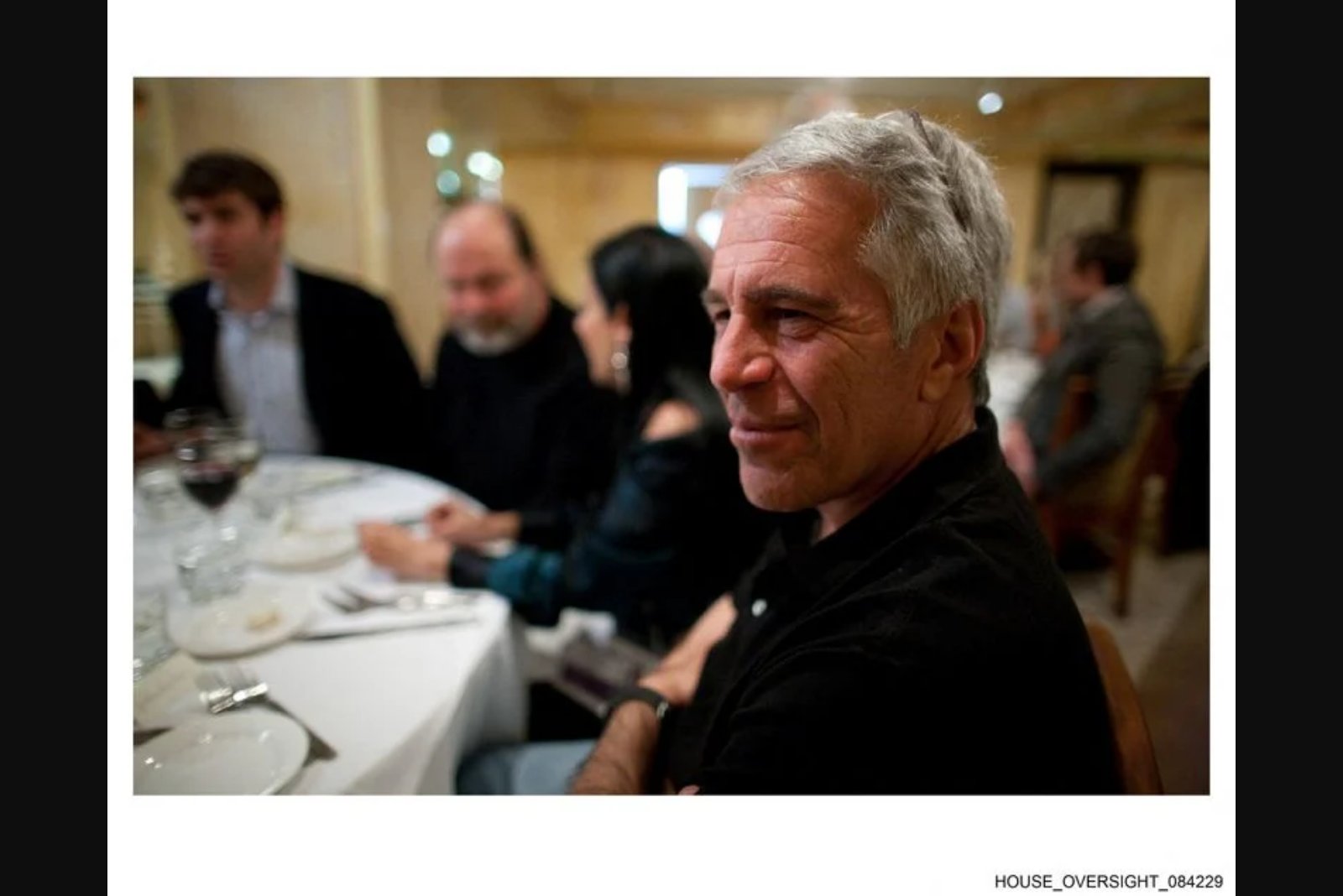
The U.S. Department of Justice on Wednesday said it could not comply with New Mexico's request for unredacted documents related to Jeffrey Epstein, saying federal statutes, court orders and privacy protections for victims and witnesses prevent release of the materials. The DOJ statement heightened tensions between the federal agency and state officials conducting a reopened criminal inquiry.
State Attorney General Raul Torrez had publicly criticized the federal response after his office sought the documents. In a letter released on Tuesday, Torrez accused the Justice Department of intentionally impeding New Mexico's investigation by failing to provide the unredacted files the state requested.
A Justice Department spokesperson responded in a statement: "Federal law, court orders, and privacy protections for victims and witnesses do not allow us to release millions of unredacted documents. We will continue to follow federal law and the court orders that are in place."
New Mexico formally reopened an investigation in February into alleged abuse at Epstein's former ranch, located south of Santa Fe, where prosecutors say he abused women and girls over a period approaching three decades. As part of that effort, the state requested access to federal files that could bear on the probe.
Torrez said that the U.S. Attorney's Office for New Mexico supplied 31 pages on July 10, but described those materials as inadequate. According to Torrez, the pages provided were already public, contained redactions that rendered them unusable for the state's purposes, or were photocopies of local news stories. In his letter he wrote: "It is a reflection of a deliberate choice not to cooperate."
Torrez's office did not immediately reply to a request for additional comment on Wednesday.
Separately, New Mexico's legislature is pursuing a parallel inquiry. Last month the state legislature subpoenaed U.S. attorneys' offices in three states and the U.S. Virgin Islands seeking information about whether prosecutors in those jurisdictions chose not to pursue charges against Epstein and, if so, why. The legislature's investigative body, referred to as the "Truth Commission," is expected to issue an interim report this month.
As of Wednesday, Torrez had not announced any findings stemming from the reopened investigation.
Advocates and some victims have continued to press the Department of Justice to release the full set of records related to Epstein. The matter also figures into broader public and political scrutiny of federal handling of Epstein-related files; the new administration has faced calls for greater transparency even as public officials have taken a range of stances on whether and how to proceed.
Context and next steps
At issue is whether federal legal constraints and court-imposed rules preclude the transfer of unredacted federal documents to a state criminal probe. The DOJ says those constraints are binding; New Mexico officials contend the materials are necessary to advance the state's investigation. The legislative inquiry and the state's criminal inquiry are both continuing, with an interim legislative report due soon and no state findings announced to date.