
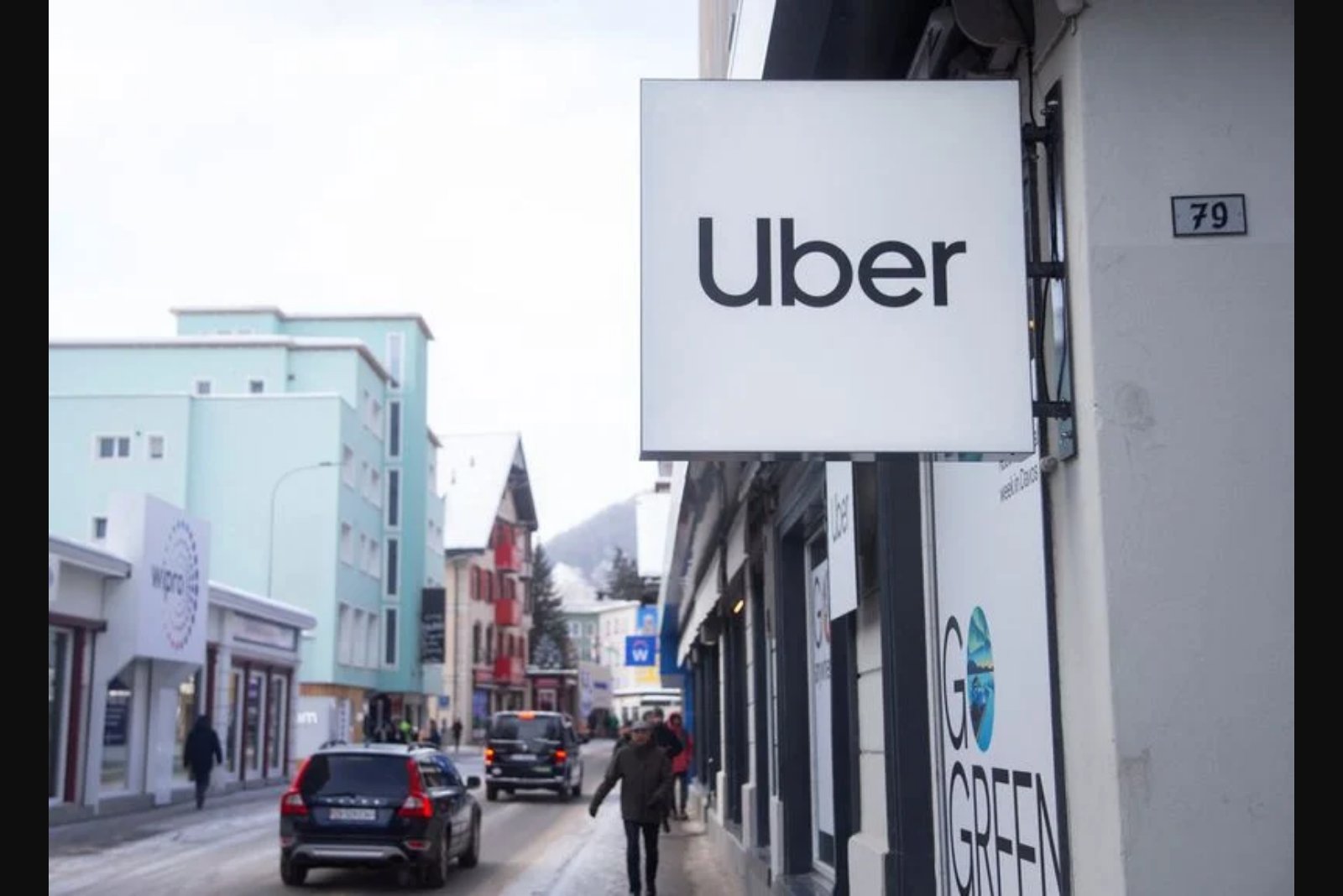
Uber is on the verge of acquiring Delivery Hero in a deal that values the German food-delivery business at around €12.5 billion, according to media reports. Delivery Hero has confirmed it is engaged in advanced negotiations with Uber over a potential takeover offer.
Under the reported proposal, Uber would pay approximately €41 per share for Delivery Hero. The offer, which has not been finalized and remains subject to change, could be announced as soon as Thursday, according to people familiar with the discussions.
The acquisition would extend Uber Eats' reach by adding Delivery Hero's operations across Europe, the Middle East, Asia and Latin America. Delivery Hero currently has a market value of about €11.6 billion, and combining the two businesses would create a larger global food-delivery network.
Given areas of overlap between the companies' operations, the combination could invite scrutiny from antitrust authorities. In response to those concerns, the reported structure of the deal would see Delivery Hero carve out certain assets - notably its Turkish unit Yemeksepeti and several European operations - and sell them to an investment firm. The divestments are intended to reduce geographic overlap with Uber and limit potential regulatory objections.
Both the timing and the precise terms of the transaction remain unsettled and could change as negotiations continue. Delivery Hero previously received a bid from Uber in May for €38 per share; that earlier offer was viewed by investors as too low, according to media accounts.
Neither company provided an immediate response to requests for comment. As discussions proceed, the key variables to watch include final pricing, the exact portfolio of businesses to be spun off, and the degree of regulatory review the transaction will attract.
Context and implications
- The deal would materially increase Uber Eats' geographic footprint by folding Delivery Hero's presence in multiple regions into Uber's operations.
- Planned asset sales are part of a strategy to limit overlap and the risk of antitrust objections, which could affect the timeline and structure of any final agreement.
- Negotiations remain in flux - terms and timing are not definitive and may still change.