
Iran announced on Saturday that it had struck targets it said were linked to U.S. forces in retaliation for what Tehran described as U.S. airstrikes along Iran's southern coast. The foreign ministry did not disclose specific locations for the "defensive" operations it said were launched in response to what it called "the barbaric air strikes" on coastal surveillance facilities - strikes Iran said also breached the U.N. Charter.
In a separate development, Bahrain - home to the United States Navy's Fifth Fleet - condemned what it said was an Iranian drone attack on its territory, calling the action a "flagrant violation" of its sovereignty and a threat to its security. Bahrain also said it reserved the right to defend itself.
Washington had not immediately replied to Iran's claim that it had struck targets linked to American forces. The apparent Iranian tactic of targeting assets tied to the U.S. aims at pressuring American partners in the region amid an ongoing conflict, according to Iranian statements.
The U.S. military reported that its strikes on Friday were conducted in response to an Iranian drone attack on a commercial vessel in the Strait of Hormuz, the narrow waterway crucial to global energy flows.
Regional security moves in parallel
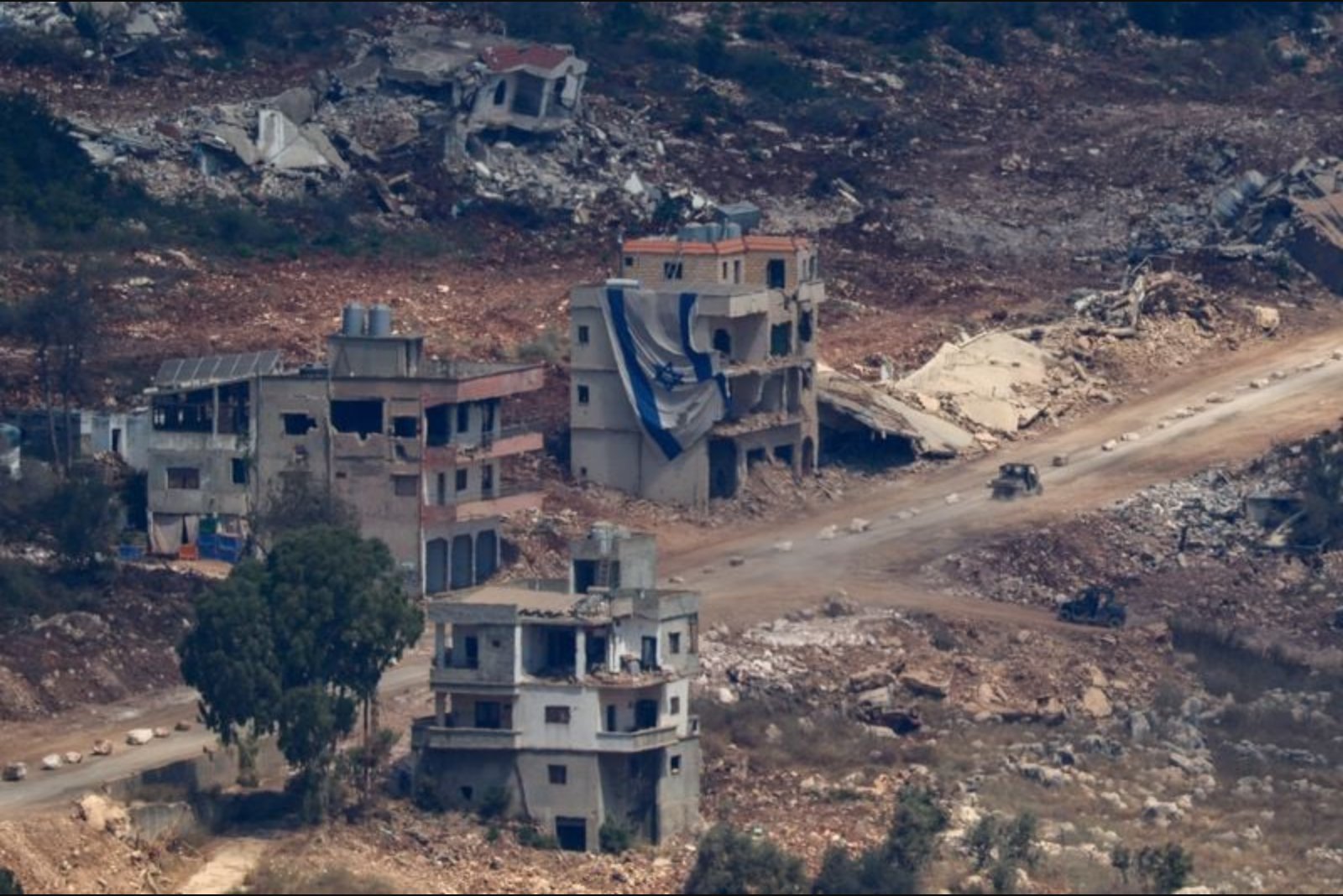
Meanwhile, Israel and Lebanon announced they had signed an agreement intended to halt fighting between Israel and Iran-backed Hezbollah. Officials on both sides described the accord as an initial step that requires Hezbollah to disarm and Israeli forces to withdraw from Lebanon. How the terms would be enforced was not made clear, and Hezbollah said it would not cooperate with the arrangement.
State television in Iran said the Islamic Revolutionary Guard Corps had delivered a "decisive response" after U.S. forces struck a communications tower in the port city of Sirik. Iran's Mehr news agency reported the port continued operating normally and that no damage to facilities or equipment had been reported.
Bahrain criticized Tehran's repeated actions, saying Iran's continued attacks undermined regional peace and stability despite efforts aimed at de-escalation. The Bahraini statement accused Iran of breaching U.N. Security Council Resolution 2817 and the June 17 Islamabad memorandum of understanding.
Shipping, authority over the Strait of Hormuz
Following a strike on a cargo ship off the coast of Oman on Thursday, Iran did not accept responsibility for the attack. Instead, Iranian officials asserted authority to regulate shipping through the Strait of Hormuz, saying vessels must follow routes designated by Tehran and warning Gulf states against aligning with Washington. Tehran also said the interim Iran-U.S. agreement granted it control over ship traffic passing the strategic waterway.
Ebrahim Azizi, head of the Iranian parliament's national security committee, was quoted as saying any breach of Iran's shipping instructions in the strait would be met decisively.
U.S. Central Command described the Thursday strike on commercial shipping as "unwarranted aggression against commercial shipping" and said the United States would continue to provide "safe passage coordination and support" to vessels transiting the strait - a corridor that before recent hostilities carried roughly one-fifth of the world's oil and liquefied natural gas supplies.
U.S. political response and market signals
Vice President JD Vance, who has moved into a central role for the administration on the conflict, said the United States has complied with the ceasefire deal, also referred to as the memorandum of understanding (MOU). "Iran signed a ceasefire agreement. We have honored it. If they have disagreements about how the MOU is being applied, they can pick up the phone. But violence will be met with violence," Vance wrote on X.
Before the latest spike in hostilities, oil prices fell about 3% on Friday and were on track for notable weekly declines as tankers avoided the Strait of Hormuz. Shipping records showed Saudi Aramco had resumed crude loadings at its Ras Tanura terminal in the Gulf - the world's largest oil port - after a suspension of nearly four months. Fertilizer shipments through the strait also increased, easing some concerns about a near-term rise in global food prices.
U.S. Secretary of State Marco Rubio, completing a tour of Gulf states intended to reassure regional partners about the interim pact, issued a joint statement with the Gulf Cooperation Council calling for "free, unconditional, and unrestricted navigation" in the strait without tolls or "attempts to assert control." Iran's foreign ministry reiterated that control of the strait should be shared by Iran and Oman, while Ali Akbar Velayati, a senior adviser to Iran's supreme leader, cautioned Gulf governments that their survival depended on Tehran's tolerance.
The exchanges between Tehran, Washington and Gulf partners underscore how fragile the interim arrangements have become, with competing claims of compliance and violations. The Strait of Hormuz continues to be a central theater in which assertions of authority and the security of commercial shipping intersect with broader diplomatic and military maneuvers.