
YPF announced an upgraded capital spending plan for 2026, raising its investment projection to $6.2 billion from a previously stated $5.8 billion, Chief Executive Horacio Marin told investors on Tuesday. The company simultaneously raised its full-year earnings before interest, taxes, depreciation and amortization (EBITDA) outlook to $8 billion, up from an earlier estimate of $6 billion.
Marin attributed the higher EBITDA target to rising oil prices. The company said the improved earnings outlook reflects the impact of stronger commodity prices on operating margins and cash flow.
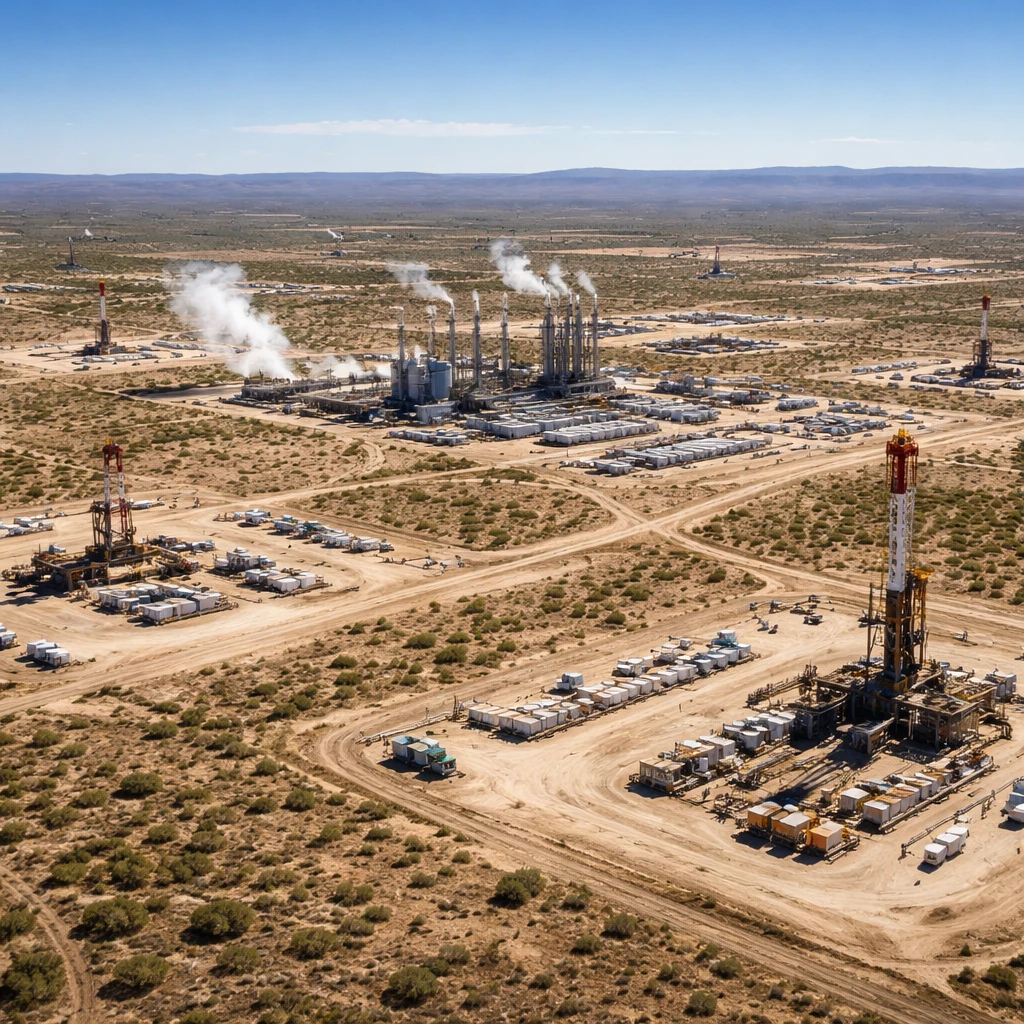
As the dominant operator in the Vaca Muerta formation, YPF plays a central role in exploiting one of the world’s largest unconventional hydrocarbon resources. Vaca Muerta ranks as the second-largest unconventional shale gas reserve globally and the fourth-largest shale oil reserve, and YPF’s activity there is a core part of its production profile.
On Monday, YPF reported a second-quarter 2026 net profit of $1.21 billion, a substantial increase from $58 million in the same quarter a year earlier. The company attributed the gain to a combination of higher shale production, record processing volumes and elevated international prices for crude and refined products.
Argentina’s broader economic strategy is closely linked to the development of Vaca Muerta. The government and market participants view expanded hydrocarbon output as a mechanism to bolster foreign currency inflows, which are needed to help stabilize the economy, reduce inflationary pressure and meet obligations to the International Monetary Fund.
While YPF’s revised capital plan and elevated EBITDA target underline stronger near-term cash generation prospects, the company’s performance remains closely tied to commodity price movements and the pace of shale development in Vaca Muerta.
Implications
- Higher investment and EBITDA guidance point to increased production capacity and potential near-term cash flow improvement for YPF.
- Growth in Vaca Muerta output supports Argentina’s need for foreign currency and has broader macroeconomic implications.
- Sectors impacted include upstream oil and gas, midstream processing, and Argentina’s macroeconomic stability efforts.