
Commodities September 23, 2026 09:43 AM

U.S. Energy Secretary Warns Diesel Export Ban Would Backfire, Raising Fuel Costs

Chris Wright says curbing diesel shipments could force refiners to cut output and lift gasoline and jet fuel prices amid geopolitical-driven diesel rallies

By Leila Farooq
Share
Twitter Reddit Facebook LinkedIn

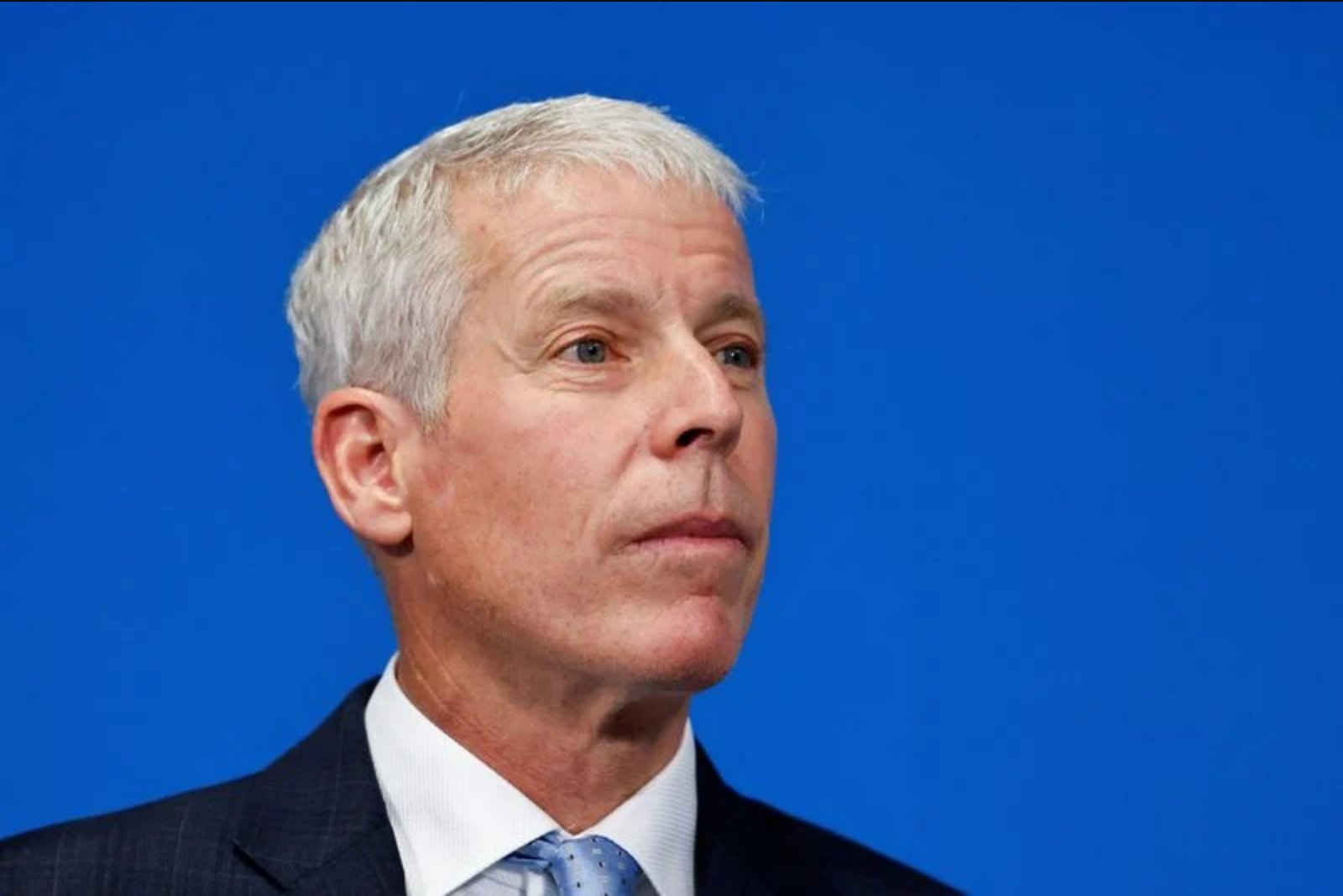
U.S. Energy Secretary Chris Wright said a ban on diesel exports would be counterproductive, warning it would create storage bottlenecks, force reductions in U.S. refining and put upward pressure on gasoline and jet fuel prices. His comments contrast with President Donald Trump’s recent backing of an export ban as diesel prices have climbed to record levels in the U.S. and Europe amid wars in Iran and Ukraine.

U.S. Energy Secretary Warns Diesel Export Ban Would Backfire, Raising Fuel Costs
Summarize with
ChatGPT Perplexity Claude Grok Gemini

Key Points

  • Energy Secretary Chris Wright said a ban on diesel exports would not work and could create domestic storage bottlenecks and refining cutbacks - impacts relevant to the refining sector and fuel logistics.
  • Wright warned that restricting diesel exports could put upward pressure on gasoline and jet fuel prices, affecting motorists, freight operators and airlines.
  • His position contrasts with President Donald Trump’s recent support for an export ban as diesel prices have spiked to record highs in the U.S. and Europe amid wars in Iran and Ukraine.

U.S. Energy Secretary Chris Wright on Wednesday said a nationwide ban on diesel exports would not achieve its intended effect and could have the opposite outcome by lifting prices for other refined fuels.

Speaking at an event in New York on Sept 23, Wright argued that limiting diesel shipments abroad would create storage constraints at home and force refineries to scale back throughput. "The blunt tool of banning diesel exports definitely doesn’t work," he said. "If you can’t export the diesel that comes out of our refineries, you run out of places to store it, and you have to reduce US refining, which would put upward pressure on gasoline prices and jet fuel prices," he added.

The secretary’s remarks put him at odds with President Donald Trump, who on Tuesday expressed support for an export ban amid a spike in diesel prices. The article notes that diesel has surged to record highs in both the United States and Europe, a trend occurring amid wars in Iran and Ukraine.

Wright framed the export restriction as a blunt instrument with secondary consequences for domestic fuel markets. His point centers on the physical realities of refined product flows - if product cannot leave the country, domestic storage and processing dynamics change, potentially prompting refiners to lower output rather than build inventories indefinitely.

That trade-off, Wright suggested, could translate into higher pump prices and increased costs for aviation fuel, even as policymakers aim to ease diesel price pressures. The secretary’s comments underscore a tension between short-term policy responses to price spikes and the operational constraints of refining and fuel logistics.

While the debate over export policy unfolds, market participants and sectors exposed to refined fuels - including freight and logistics, passenger transport and airlines - face the prospect of continued volatility. Wright’s assessment highlights that interventions focused on a single product can have ripple effects across other fuel markets.

With diesel already at record levels in the U.S. and Europe and geopolitical conflict cited as a contributing factor, stakeholders will be watching how Washington balances political pressure to act against the practical implications for refining throughput and downstream fuel prices.

Risks

  • A diesel export ban could force refiners to reduce output due to limited storage capacity, creating supply effects for other refined fuels - risk to refiners and fuel distribution networks.
  • Higher gasoline and jet fuel prices could result from reduced refining throughput if diesel cannot be exported, posing cost pressures for transportation and aviation sectors.
  • Ongoing diesel price volatility tied to wars in Iran and Ukraine creates uncertainty for market participants and policy responses, affecting energy and transport markets.

More from Commodities

Trump and Venezuela’s Delcy Rodriguez Hold Brief Talks on Restructuring Nation’s Debt Sep 23, 2026 Iran’s President Tells U.N. Iran Will Not Surrender to U.S., But Seeks Diplomatic End to Conflict Sep 23, 2026 Metals Reprice After Pullback: Gold Anchors, Silver Offers Volatility, Platinum for Contrarians, Palladium Remains Speculative Sep 23, 2026 Diplomacy Drives Oil Retreat as Markets Weigh UN Talks and Political Headwinds Sep 23, 2026 Diplomatic Opening Between Washington and Tehran Brings Tentative Hope - Oil Markets Stay on Edge Sep 23, 2026