
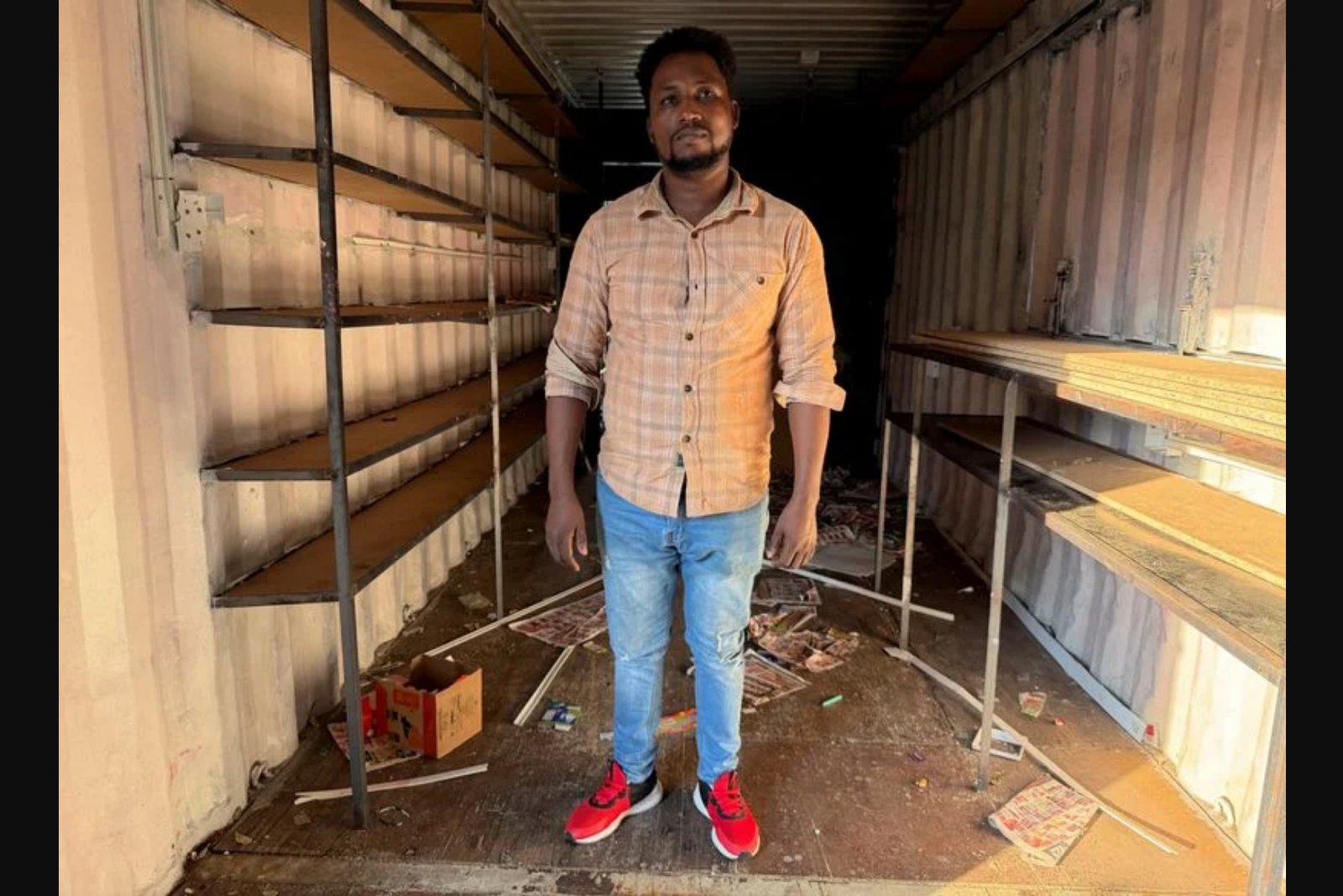
In downtown Durban, Ethiopian refugee Helana Wolde fastened the locks on his modest home and watched television as demonstrators filled the streets, demanding that foreigners leave South Africa. His wife and their three children, all born in South Africa, were terrified, he said in the shop where he sells coffee and lentils. But Wolde, who fled political persecution in Ethiopia 21 years ago, said returning is not an option.
While some migrants left the country ahead of protests on June 30, others like Wolde reopened their businesses and chose to weather the hostility. "I have no place, no property, no family" in Ethiopia, he said, adding that his brothers had been jailed there. The morning after the protest, Wolde reopened his shop - which, unlike some other businesses, was not looted - and tried to resume trading.
Nationwide marches on Tuesday were largely peaceful, but there were isolated incidents in which foreign nationals were attacked and shops owned by migrants were looted. "We're all extra-scared," Wolde said, describing the atmosphere in the neighborhood.
Protesters point to immigrants as scapegoats for economic distress
The organisation at the centre of the demonstrations, March and March, says its objection is to illegal immigration rather than to foreigners as a whole. The movement has nonetheless mobilised vigilante activity that often targets migrants indiscriminately. Members of the movement frequently demand to see people’s documents - a practice the government has said is unlawful, since only police have the authority to request identification documents.
Leaders of the movement have framed their demands in terms of economic grievance. "This economy belongs to our people and it has been hijacked," said Jacinta Ngobese, a former radio presenter who leads March and March. She has pledged to hold marches every Thursday until the group's demands - which include mass deportation - are met.
South Africa hosts more than 167,000 refugees and asylum-seekers, according to the United Nations, and an overall immigrant population of about 3 million, or roughly 4% of the total population. The article notes these figures are small compared with numbers hosted by several other African nations, but still contribute to public attention and friction in certain communities.
Local shopkeepers describe losses and intimidation
Some migrant shop owners in townships near Durban said their outlets were targeted. Daniel Abide, 33, who runs a small convenience store in Clermont, reported his shop was looted on Tuesday night. Abide, who came from Ethiopia a decade ago, operates two shops; one was left untouched and the other was broken into and emptied by looters. He said he employs one South African worker and hopes to reopen the looted outlet.
Locals told Reuters that other looted shops in Clermont were operated by people from Somalia and Pakistan. At one location, men were repairing broken doors before nightfall, fearful that looters could return.
Wolde said he keeps a laminated packet of documents - including his refugee certificate, tax records and bank statements - visible and ready to show to anyone who questions his legal status. He added that he is sometimes asked to show these papers two or three times a day, by police or by others who come into his shop. "Now business is no good," Wolde said. "Everybody is scared to come here."
Why many migrants stay despite repeated violence
Several migrants described a lack of ties or assets in their countries of origin as a decisive factor in choosing to remain in South Africa. For Wolde, the calculus includes past trauma: he said he survived a shooting in 2008 and endured xenophobic looting in 2015 and 2021. Despite the risks, he said he intends to stay. "I make business here. I don't know why they're angry," he said.
The interviews and observations underline a broader socioeconomic tension: a high unemployment rate - about one third of South Africans are without work - combined with overstretched public services and concerns about crime contribute to public frustration. Researchers cited in the coverage, however, say immigration is not the root cause of these problems.
For many small, migrant-run businesses that sell everyday goods such as food and household items, the protests and targeted looting are immediate blows to revenue and security. Owners who remain face repeated confrontations over their status and a fragile customer base as fear keeps shoppers away.