
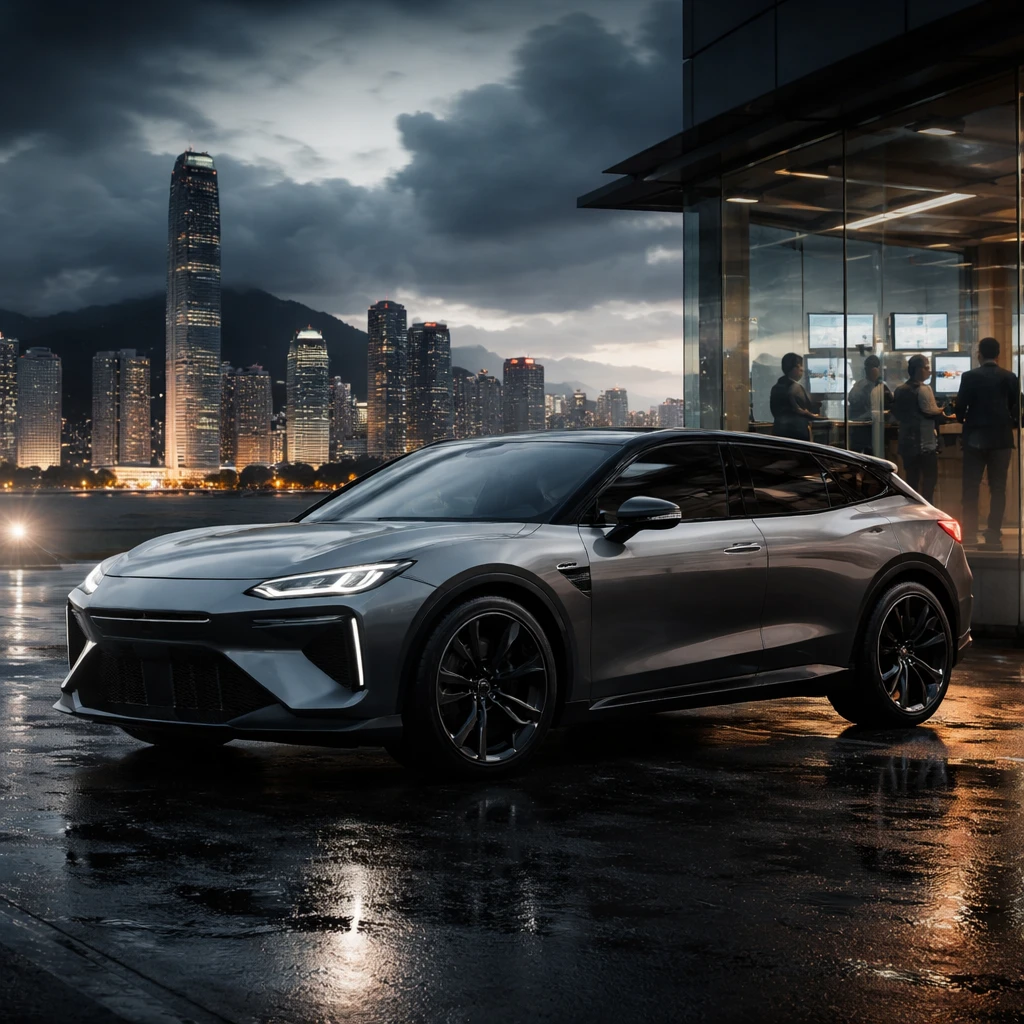
Xiaomi shares declined as investors reacted conservatively to the company's high-profile product unveiling and related trading activity. The stock fell 1.6% to HK$29.66 as traders positioned themselves ahead of a Beijing launch event scheduled for 7:00 pm local time, where Xiaomi revealed a performance-focused version of its YU7 electric SUV and disclosed premium pricing that exceeded some pre-event expectations.
At the Beijing presentation, CEO Lei Jun announced a starting price of 389,900 yuan for the YU7 GT. That premium price point appears to have prompted a "sell-the-news" response during regular trading hours, with some investors choosing to realize gains or reduce exposure prior to the official ceremony.
Trading dynamics during the session added to the downwards momentum. Market data showed a bearish block trade of roughly 5.7 million Xiaomi shares executed at HK$30.64, producing about HK$174.6 million in turnover. In parallel, Mainland China Stock Connect flows registered Xiaomi among Hong Kong-listed names with sizable declines in northbound investors' shareholding value, indicating sustained selling pressure from that channel.
Partially counterbalancing selling flows, Xiaomi continued its capital return program by repurchasing about 3.38 million shares during the session at a total cost of HK$100 million. The buyback provided some support to the share price but was not enough to offset the larger directional flows and market sentiment for the day.
Product specifics announced at the unveiling were notable for their performance claims and tiered pricing. The YU7 GT was introduced as a high-performance electric SUV engineered for long-distance driving and dynamic handling, and it recorded a lap time of 7 minutes and 34.931 seconds at the Nürburgring Nordschleife, setting a new production SUV benchmark and surpassing the previous record held by the Audi RS-Q8. The GT's base price is 389,900 yuan, while the 'Big Full Pack' variant is listed at 429,900 yuan.
Alongside the GT, Xiaomi launched a standard YU7 model with an entry price of 233,500 yuan. That standard version carries a retail price 20,000 yuan below the long-range edition, and analysts noted that the more affordable trim could support Xiaomi's electric vehicle shipment ambitions.
The combination of a sell-the-news reaction to premium pricing, a material block trade, persistent northbound liquidation via Stock Connect, and a broadly weak Hong Kong market drove shares toward the session low of HK$29.42, moving closer to the 52-week low of HK$28.80. With corporate results approaching, market participants can expect the stock's near-term trajectory to remain sensitive to discrete events and flow-driven developments.