
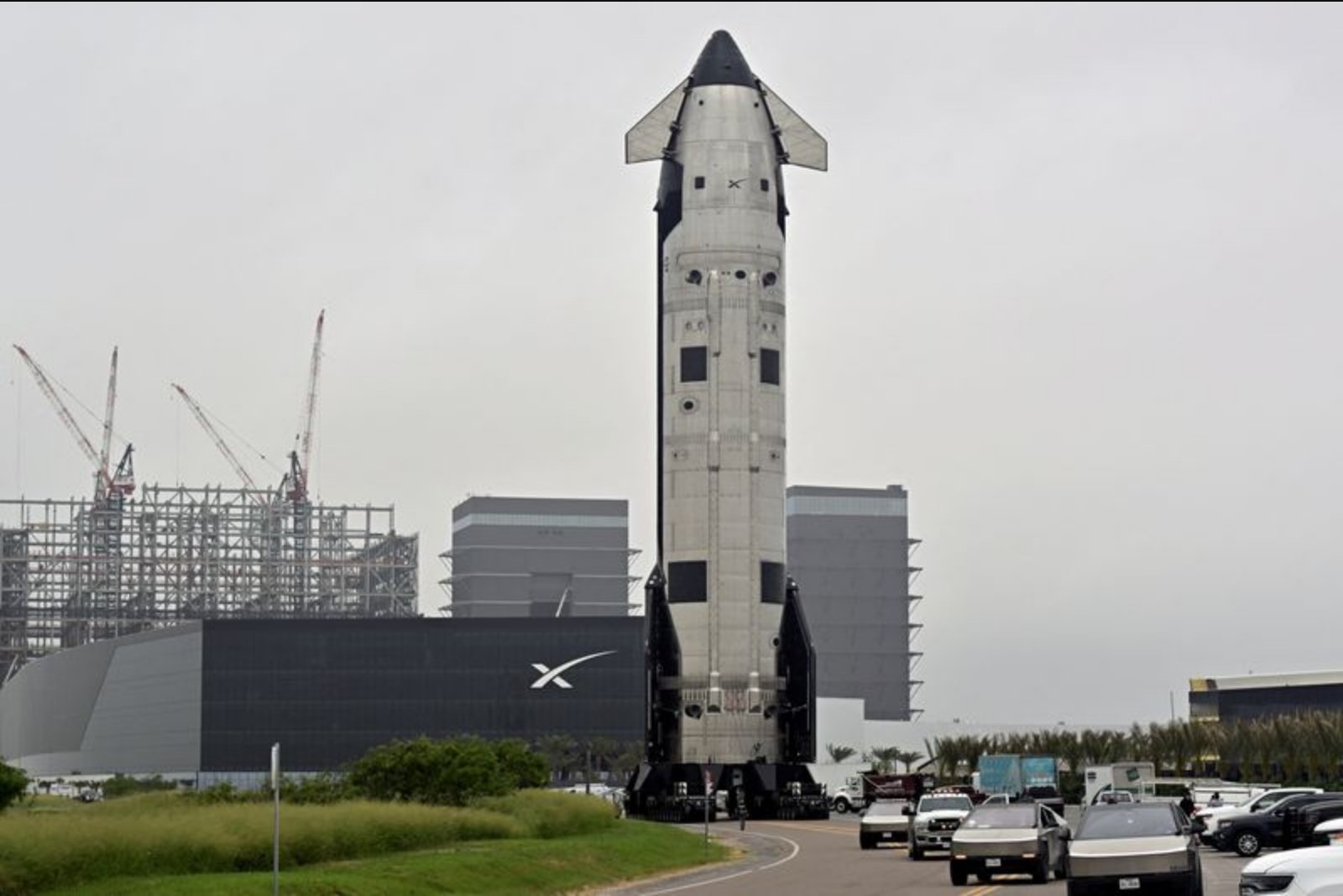
SpaceX’s proposed initial public offering - one that would dwarf every IPO ever completed - is shaping up as a market spectacle that could dominate investor attention when it arrives. But industry participants caution that the sheer singularity of the deal means it will tell us little about whether the wider U.S. IPO market is genuinely recovering.
The offering is expected to raise more than $75 billion and to value the company at roughly $1.75 trillion. If those figures hold, the listing would push total U.S. IPO proceeds to levels not seen since 2021, according to market data analysis cited in the public filings.
Why SpaceX is not a typical IPO
Several analysts and investment bankers say SpaceX is fundamentally different from the typical candidate that comes to market. "SpaceX is so large and extraordinarily valued that it doesn’t lend itself as a normal test case for the IPO market," said Lukas Muehlbauer, IPOX research associate. The company’s size, strategic positioning and scarcity of comparable public peers mean that its listing will not behave like a regular benchmark for demand across the market.
Unlike many IPOs that are pitched around predictable cash flows, peer-relative valuations and conservative growth assumptions, SpaceX is being marketed in part on scale, scarcity and an expansive long-term vision that mixes aerospace ambitions with AI and space-based data infrastructure. The company’s most recent filing shows that the majority of its $18.67 billion in revenue last year came from its Starlink satellite internet segment, while its AI business remains a money-losing operation.
Liquidity competition and potential market crowding
Bankers and analysts have warned that an offering of such size could tie up investor capacity and siphon attention and liquidity away from other prospective listings. One European equity capital markets banker noted that institutional investors will likely be heavily deployed into the SpaceX deal given its magnitude and the pressure on many funds to take part in a landmark transaction.
Smaller European deals may proceed with less disruption, the banker said, but larger IPOs that rely on major U.S. investors face greater risk of displacement. IPOX’s Muehlbauer observed that some companies have accelerated their own IPO timelines to get ahead of SpaceX, an example of issuers trying to avoid a potential collision with a headline-making listing.
Retail exuberance and the FOMO dynamic
For many retail traders, SpaceX is anticipated to be the ultimate FOMO trade. The deal combines Elon Musk’s strong retail following and a scarcity narrative that could draw individual investors irrespective of conventional valuation analysis. "Humans are prone to herding and when they hear about how monumental this may be, they don’t want to miss out," said Brian Jacobsen, chief economic strategist at Annex Wealth Management.
Reports in March indicated that Musk had discussed allocating as much as 30% of the IPO to individual investors - a level at least three times a typical retail allocation - suggesting a deliberate effort to mobilize a broad base of loyal backers to support the stock after the listing.
Michael Ashley Schulman, partner at Cerity Partners, described retail participation as a narrative-driven phenomenon that could interact with hedge fund activity: "Retail crowds often operate on narrative contagion, and SpaceX could be the most potent narrative ignition event in a generation and hedge funds could interact right alongside this enthusiasm."
What the listing may - and may not - change
Analysts caution that the success or failure of SpaceX’s debut could influence sentiment toward new listings without serving as a direct indicator of broader market health. Annex Wealth’s Jacobsen argued that the IPO is not a market signal because of its unique characteristics and noted that index providers have had to adapt rules to accommodate a company of this scale.
Reena Aggarwal, a finance professor, said the company’s business model and lack of direct competitors weaken its usefulness as a proxy for other deals: "The success of a SpaceX IPO doesn’t guarantee the success of other IPOs because the company’s unique business model has no real competitors," she said. Still, she warned that if SpaceX’s IPO were to stumble, it could meaningfully dampen IPO market appetite.
Looking beyond the immediate spectacle, analysts said that a genuine, sustained revival in IPO activity will depend on a broader set of conditions - including easing geopolitical tensions, steadier equity market performance and reduced investor anxiety about technological disruption from AI on incumbent businesses - rather than the outcome of a single, exceptional listing.
Where activity already shows momentum
Despite concerns about competition for investor attention, some companies have proceeded to the market recently. Notable listings in recent weeks include an AI chipmaker and an investment bank, indicating that while top-tier issuers may feel the pressure of a mega-offering, other firms with compelling thematic narratives can still access public investors.
IPO bankers expect a mix of outcomes: niche and smaller deals may be able to find footing, while large-cap offerings that depend on heavyweight U.S. investor allocations could be postponed or face muted pricing dynamics if a SpaceX offering occupies significant capacity.
Conclusion
SpaceX’s anticipated IPO will almost certainly be a watershed moment for market attention and retail engagement. But multiple market participants, including bankers and academics, emphasize that the company’s unparalleled valuation, its revenue concentration in Starlink, the ongoing losses in its AI unit, and the exceptional retail access contemplated for the offering make it an unreliable proxy for the broader IPO market. In short, the listing may shape sentiment, yet it is unlikely to serve as a definitive signal that the IPO market has returned to the conditions seen during the 2021 boom.