
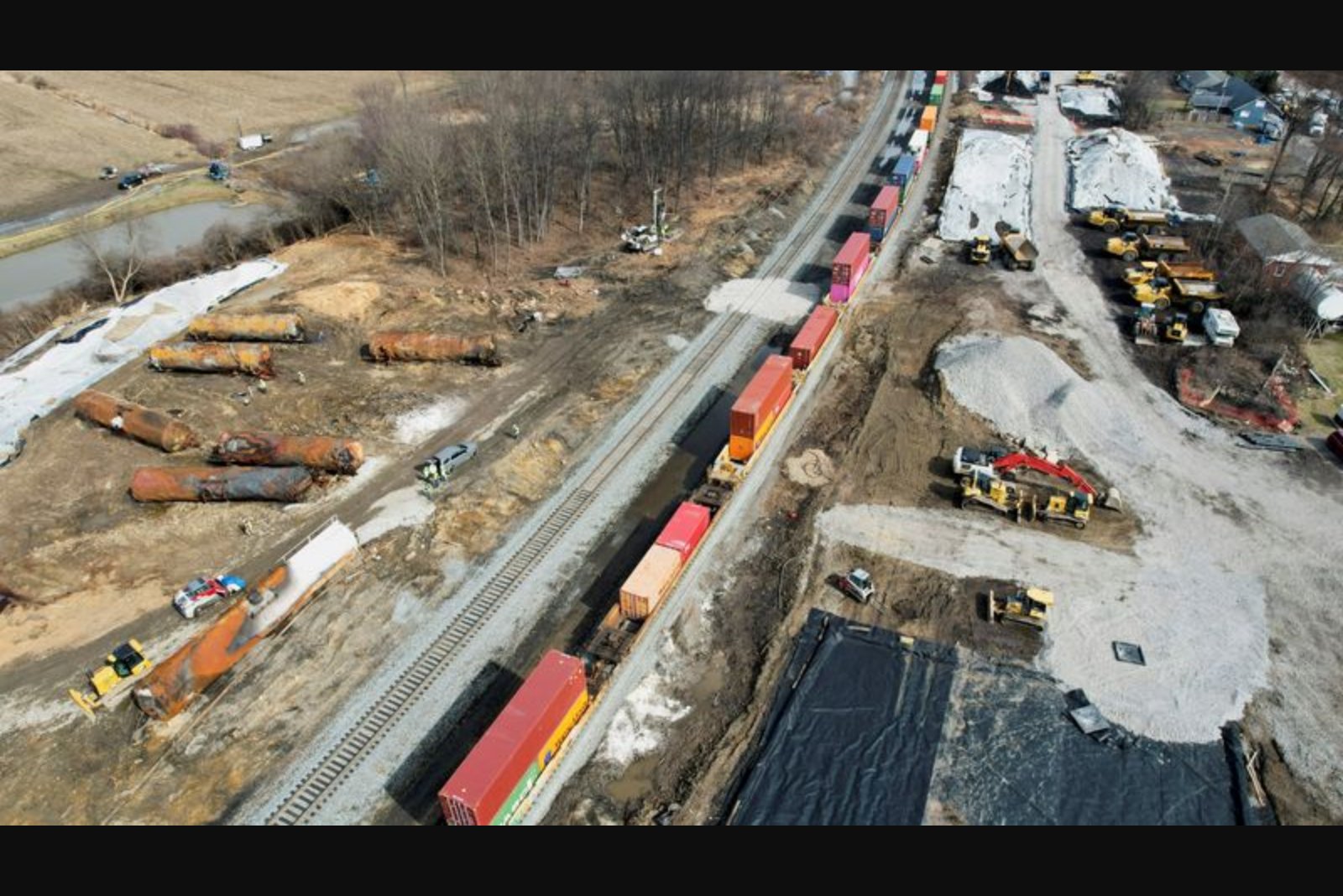
WASHINGTON, May 21 - The White House on Thursday called on Congress to advance rail safety legislation that has been stalled since the 2023 derailment of a Norfolk Southern-operated train in Ohio. That incident produced large fires and released over one million gallons of hazardous materials and pollutants, prompting renewed demands for federal action.
Lawmakers are debating a five-year, $580 billion highway bill in the House Transportation and Infrastructure Committee, and members are weighing whether to incorporate a separate rail safety measure into that package. Proponents say the addition would strengthen protections for trains transporting hazardous materials and impose tougher standards related to wheel bearings.
Representative Troy Nehls, a Republican from Texas, said the derailment "exposed serious weaknesses in the freight rail industry safety practices, particularly when it comes to transporting hazardous materials." Support for the rail safety bill crosses party lines in some quarters, with backing from President Donald Trump and a number of Democrats, yet its ultimate fate remains uncertain.
Opponents include leaders of the rail industry and many congressional Republicans who argue the new mandates would increase transportation costs. Representative Sam Graves, the Republican chair of the committee, warned the measure would add billions in shipping expenses over 10 years and said, "It’s going to ripple across the entire supply chain."
Investigations concluded the 2023 derailment resulted from a catastrophic mechanical failure of an overheated railcar wheel bearing. In 2024 Norfolk Southern reached a settlement with the U.S. Justice Department totaling $310 million. As part of that agreement, the railroad committed to installing additional devices intended to detect overheated wheel bearings early enough to help prevent derailments.
Jennifer Homendy, chair of the National Transportation Safety Board, said many of the safety recommendations issued after the East Palestine, Ohio derailment remain unaddressed more than three years later. She stated, "People living in the community of East Palestine and all Americans deserve no less than a comprehensive approach that addresses critical rail safety issues."
The proposed legislation would require enhanced safety procedures for trains carrying hazardous materials, mandate wayside defect detectors, set a minimum requirement for two-person train crews and increase fines for misconduct. Rail industry representatives have criticized the bill, saying it has "increasingly become a vehicle for longstanding labor and operational mandates that would raise costs throughout the supply chain while doing little to measurably improve safety outcomes."
The bill’s prospects are unclear as lawmakers weigh safety improvements against industry concerns about increased costs and operational mandates. Debate in the Transportation and Infrastructure Committee will determine whether the rail provisions are included in the broader highway bill and whether the measure advances to the full House for a vote.
Key points
- The White House urged passage of rail safety legislation following the 2023 Norfolk Southern derailment in Ohio that released over one million gallons of hazardous materials.
- The House committee is considering adding the rail bill to a five-year, $580 billion highway package; provisions would include wayside detectors, two-person crews and higher fines.
- The measure faces opposition from major railroads and many Republicans, who say it would raise shipping costs and affect the supply chain.
Risks and uncertainties
- Passage is uncertain due to opposition from rail companies and many Republican members of Congress, potentially leaving recommendations unimplemented - impacting the transportation and logistics sectors.
- Industry leaders argue the provisions could increase shipping costs over a 10-year period, which could ripple through the broader supply chain and affect manufacturers and retailers dependent on freight rail.