
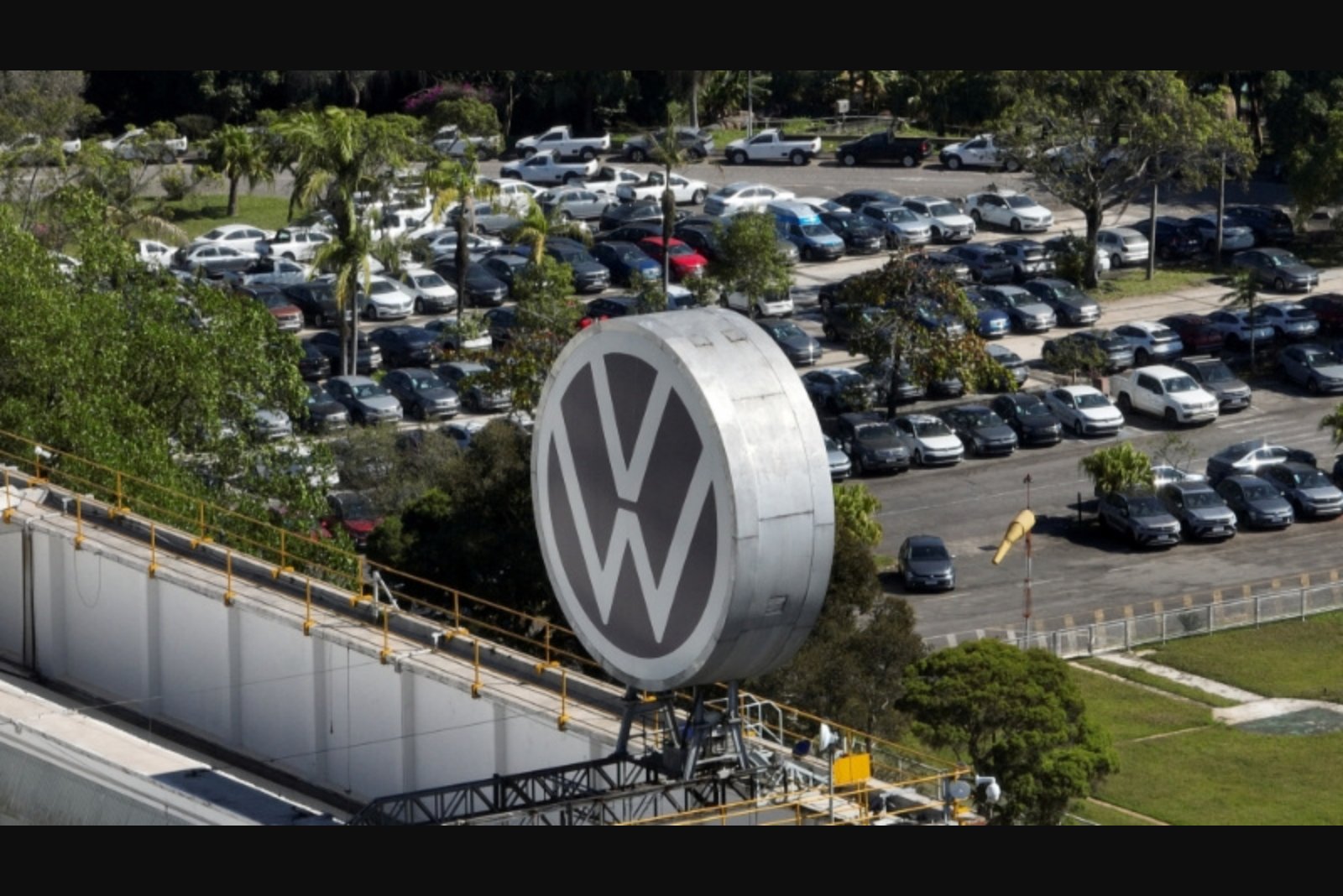
Volkswagen's operations in Brazil are facing growing competitive pressure from Chinese automakers offering lower-priced electric and hybrid vehicles, and the company's local chief has flagged concerns about falling resale values as those entrants expand their market share.
Ciro Possobom, Volkswagen's head in Brazil, said the arrival of aggressive new competitors is exerting downward pressure on prices in the country's auto market, though he added that Volkswagen believes it remains well positioned. "While new entrants are entering aggressively and putting downward pressure on prices, we believe we are well positioned," Possobom said, and he stressed that the company will not engage in a price war with Chinese competitors.
Possobom also described operational effects tied to the war in Iran. He said the conflict has produced both direct and indirect impacts on Volkswagen's activities, but that, to date, related supply-chain disruptions are manageable and have not forced vehicle price increases. As one mitigation step, the automaker has occasionally flown in certain components because shipping routes through the Strait of Hormuz have faced uncertainty.
"We hope the war ends soon, especially since we import about 20% of the parts," Possobom added. He further indicated the company does not expect parts shortages to have a significant effect on production volumes or pricing for the time being.
On recent results, Possobom expressed a constructive view of the group's performance, noting that April was a strong month for Volkswagen in Brazil and that the company outperformed its results from the first quarter of 2026.
Contextual notes
- Chinese automakers have been rapidly expanding in Brazil, increasing competition in the region's largest auto market with lower-priced electric and hybrid models.
- Volkswagen has taken logistical measures, such as airfreighting components, in response to shipping uncertainties around the Strait of Hormuz.
- The company currently sees supply disruptions as manageable and reports they have not translated into higher vehicle prices.