
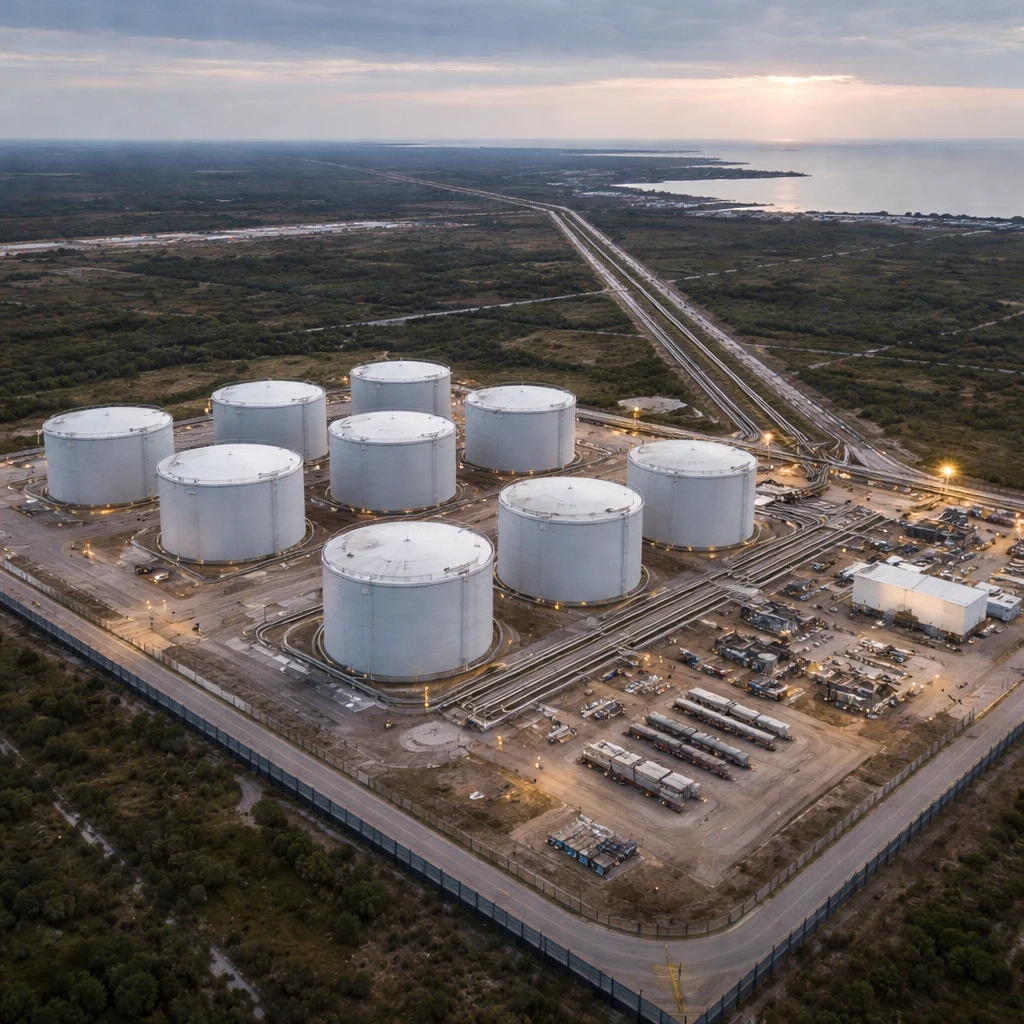
Vitol, the global commodities trader, has begun procedural steps to bring its Rio Bravo fuel storage terminal in northern Mexico into operation after leaving it unused since construction was completed, according to two sources with direct knowledge of the matter and a document detailing next steps.
The terminal, located in Matamoros, Tamaulipas on the U.S.-Mexico border, was finished in 2020 and has yet to be put into service. Vitol has engaged in talks with independent service providers to secure testing, certification and operational documentation - contracts that it must have in place before submitting an application to the Mexican energy ministry for permission to run the facility, the document and sources said.
Company representatives have not offered comment on the plans, and the energy ministry did not respond to requests for comment. Two sources, who spoke on condition of anonymity because of commercial sensitivity, said discussions have taken place with Mexican officials about the proposal. How far those conversations have progressed was not made clear by the sources.
The terminal and its logistics
The Rio Bravo site comprises 12 storage tanks with a combined capacity of 270,000 barrels for gasoline and diesel, according to documentation on the facility. It is designed to receive product via a 10.5-kilometer cross-border pipeline linked to a port facility in Brownsville, Texas. That pipeline connection would allow operators to utilise fixed pipeline tariff rates, a feature that the sources say could shield the facility from increases in seaborne freight costs associated with the Iran war.
Operating the Rio Bravo terminal would provide Vitol with a tangible downstream presence in Mexico for the first time, and if opened it would be among a small number of foreign firms authorised to operate major petroleum infrastructure in a market largely dominated by the state-owned energy company Pemex, which controls production, refining and distribution.
Regulatory and commercial steps
According to the document and the sources, securing contracts for independent testing, certification and documentation is a prerequisite to filing for operational permits with the Mexican energy ministry. Those third-party services have been sought by Vitol in recent months as part of the preparatory phase to bring the terminal online.
One source involved in efforts to open the terminal highlighted the tariff advantage of the pipeline link, which would allow product movements to avoid some of the volatility and added cost in seaborne freight markets. Another source familiar with Vitol's long-term operations in Mexico said the trader was obliged to offer the terminal to Pemex. Pemex declined to comment.
Reputational background
Vitol's move to revive the Rio Bravo terminal occurs against the backdrop of a corruption scandal that damaged its standing in Mexico. In December 2020 the firm admitted to bribing officials in Ecuador, Mexico and Brazil. Its U.S. unit agreed to pay $164 million under a deferred prosecution agreement that followed a U.S. investigation into corrupt practices in Brazil, Ecuador and Mexico.
After those admissions, Pemex's trading arm PMI said in March 2021 that it had suspended its commercial relationship with Vitol. Those events have constrained the trader's commercial ties in Mexico since the disclosures.
Context and uncertainties
Opening the terminal would occur amid broader pressures on energy supply infrastructure driven by global disruptions. The sources and documentation make clear that Vitol is taking preliminary operational and regulatory steps, but they do not indicate the current stage of formal approval or when, if at all, the terminal would begin receiving and storing fuel. The company has not publicly confirmed a timeline.
Information about the talks and the file of next steps is limited to what the anonymous sources and the reviewed document provide. Details on the status of any procurement of third-party contracts or the content of exchanges with Mexican officials remain undisclosed.