
Australian miner Viridis Mining and Minerals has inaugurated a rare earth research and processing centre in Pocos de Caldas, Brazil, and is advancing offtake negotiations with buyers based in Europe and the United States for its Colossus project in Minas Gerais state. The company’s CEO, Rafael Moreno, said the firm will not pursue Chinese interest, even though it has attracted attention from across the world.
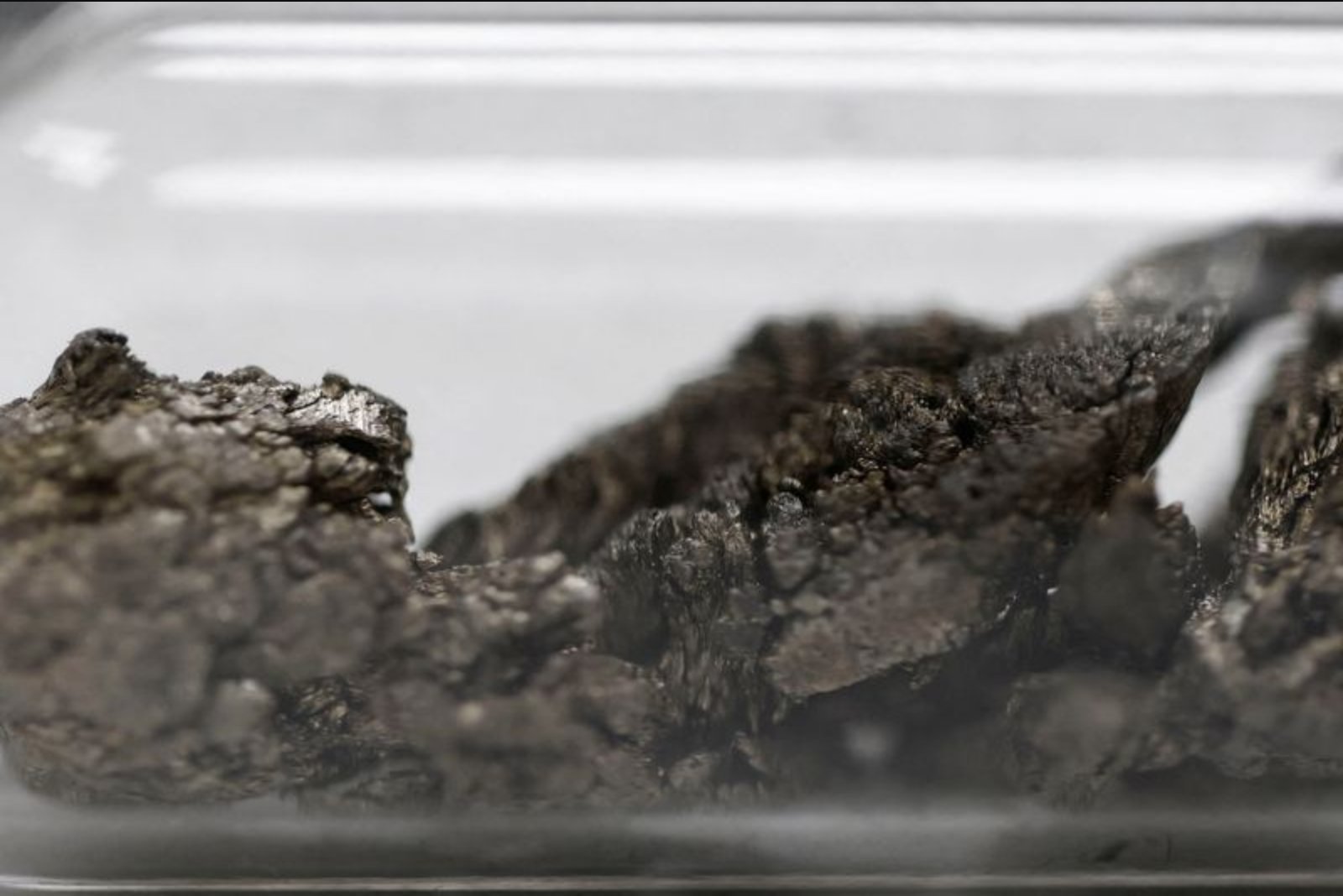
The newly opened facility is designed to produce the mine’s first mixed rare earth carbonate - a concentrate that will contain elements including neodymium and terbium - and to support commercial discussions with potential offtakers. Viridis says the centre will help smooth negotiations by delivering an intermediate processed product from the Colossus slate as the project progresses toward steady-state output by the end of 2028.
Moreno described a deliberate strategy to prioritise Western supply chains. "We took a stance pretty early on to go down the Western route. As diversification of supply chains occurs, we believe we’ll get better value for our products versus the suppression of prices that China is able to do when all the product goes there," he said. He also noted that conversations with investors and lenders have emphasised keeping the project outside Chinese supply chains.
The centre in Pocos de Caldas is expected to process up to 100 kilograms of ore per hour as it begins work on mixed rare earth carbonate output. Colossus is Viridis’ inaugural project in Brazil; the company also operates in Australia and Canada.
Viridis estimates the overall Colossus project will require between $360 million and $370 million in capital, with the potential for the total to rise to $400 million if lenders require the company to hold additional working capital. The company expects project financing to be finalised in the third quarter.
Market context for the facility’s opening is tight. China currently accounts for around 60% of global mine production and 90% or more of refined production of rare earths, and Beijing introduced export restrictions in April 2025 in response to U.S. tariffs; Chinese authorities have defended those measures while saying eligible requests are approved. Governments in Europe and the United States are seeking to reduce dependence on China for critical minerals used in electric vehicles and defence applications, a dynamic that has contributed to a global scramble for new supplies.
While Viridis reports it has fielded interest from offtakers globally, the company has chosen to work exclusively with Western buyers for Colossus output, despite strong Chinese interest. The move reflects a strategic attempt to capture stronger pricing and avoid the price suppression the company associates with routing materials into Chinese-dominated supply chains.
The Pocos de Caldas centre will be used both for research and for early-stage processing, producing the mixed rare earth carbonate that forms the basis for later refining and separation. Management views that intermediate product as a tool to facilitate offtake agreements and to present buyers with a consistent, measurable feedstock as the mine moves toward commercial-scale production.
Financing remains a near-term milestone. Moreno said project financing is expected to be completed in the third quarter, and that lender requirements could affect the size of the cash buffer the company holds as working capital. Beyond financing, the company’s operational timeline aims for steady-state production by the end of 2028, anchored by the new processing capability in Brazil.
The firm’s stance on buyers, the new processing centre’s capacity, the project budget range and the expected financing timetable constitute the core public details of Viridis’ Colossus rollout as the company readies itself to enter a market where supply-chain diversification is a policy priority in Western markets.