
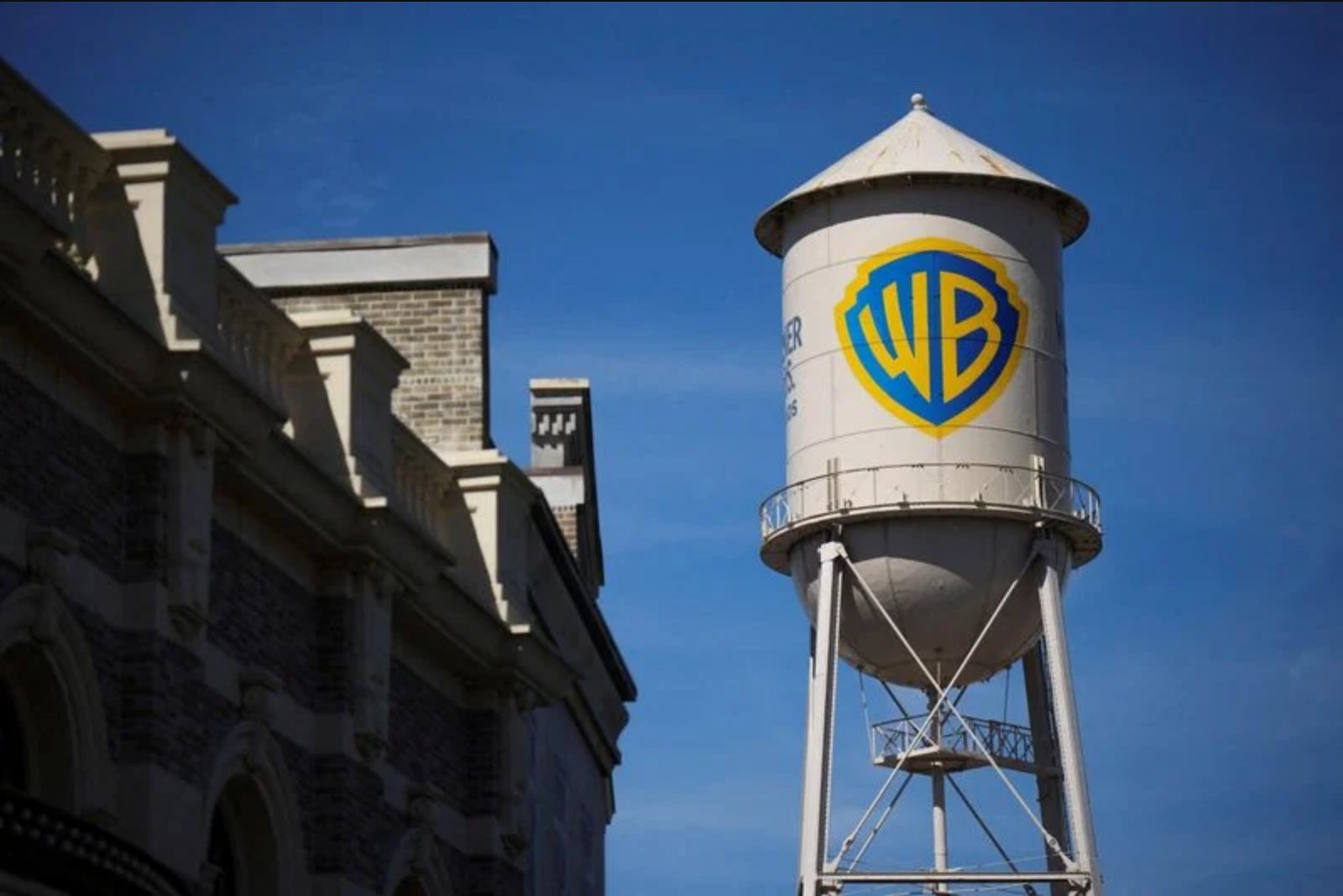
A group of U.S. states is preparing a lawsuit intended to block Paramount Skydance's proposed $110 billion acquisition of Warner Bros, two sources familiar with the situation told Reuters. The identities of the states expected to join the litigation have not been disclosed.
California Attorney General Rob Bonta told Reuters in an interview that his office would soon decide whether to take action, though a spokesperson for Bonta declined to comment further when asked on Friday. The timing and membership of any multi-state action remain unclear based on the available information.
Market reaction to the report was immediate. Shares of Warner Bros fell 1.8% after the news emerged, while Paramount's stock moved lower as well, trading down about 4% as investors absorbed the prospect of legal opposition to the proposed deal.
Industry observers on both Wall Street and in Hollywood have been following the transaction closely because it would combine major entertainment franchises under a single corporate umbrella. That concentration of intellectual property and production assets is central to why regulators and stakeholders are scrutinizing the deal.
The proposed acquisition has drawn criticism from talent and industry groups, including actors and writers, who have expressed concern that the merger could lead to reductions in employment. Those concerns focus on the potential for consolidation to change how content is produced and how creative roles are allocated across combined operations.
Paramount has denied that the transaction would reduce creative jobs. The company has argued that, following a closing, it would need to generate more content to attract streaming subscribers, suggesting continued or increased demand for creative output as part of the combined company's strategy.
At present, the legal landscape is unsettled: sources indicate preparations for state-led litigation, but there is no public list of participants and no filed complaint to review. The lack of detail means outcomes, timelines and legal arguments that might be used by any suing states are not yet known.
This developing story touches both entertainment-sector employment and capital markets, as investors respond to news of potential regulatory or legal obstacles to a high-value deal.