
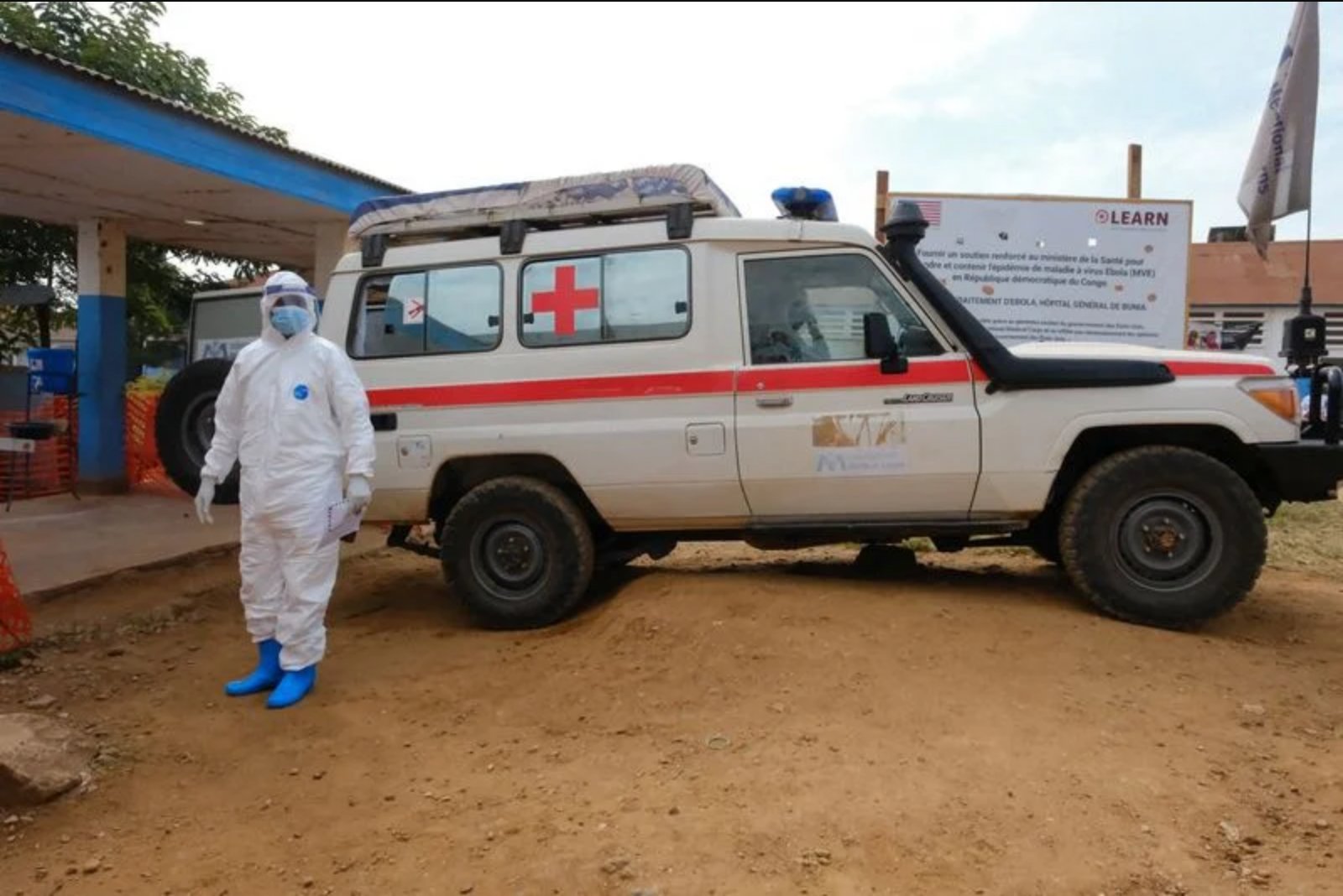
The U.S. government is providing experimental medical countermeasures and diagnostic support to assist response efforts in the Democratic Republic of the Congo and Uganda amid an ongoing Bundibugyo ebolavirus outbreak.
Officials said the Administration for Strategic Preparedness and Response - acting through its Biomedical Advanced Research and Development Authority - is coordinating the transfer of doses of MBP134, an investigational monoclonal antibody therapy developed in collaboration with Mapp Biopharmaceutical. The shipments are intended both for compassionate use in affected patients and to supply a randomized clinical trial being conducted by the University of Oxford.
According to the agencies, MBP134 has demonstrated activity against multiple Ebola species in preclinical testing and has completed an early-stage safety trial. Health authorities noted that clinical data collected from its use during the current outbreak could contribute to later regulatory deliberations.
In addition to therapeutic doses, BARDA has pre-positioned 2,500 rapid diagnostic tests available for deployment to the region. The tests are meant to aid detection of infections and help guide public health operations on the ground.
Separately, BARDA is advancing efforts to develop a vaccine specifically targeted at the Bundibugyo strain. The agency has issued a request for proposals seeking vaccine candidates that use the same platform employed for Merck's Ervebo vaccine, which is authorized in the United States for the Zaire strain.
The agencies emphasized that, at present, there are no approved vaccines or treatments for the Bundibugyo strain, a factor driving the deployment of investigational countermeasures and the acceleration of vaccine development work.
Context and next steps
MBP134 will be used under compassionate use provisions and as part of a randomized study to evaluate its effects. The presence of pre-positioned rapid diagnostic tests and the solicitation of vaccine candidates reflect parallel strategies to provide immediate detection capacity while pursuing longer-term preventive options.