
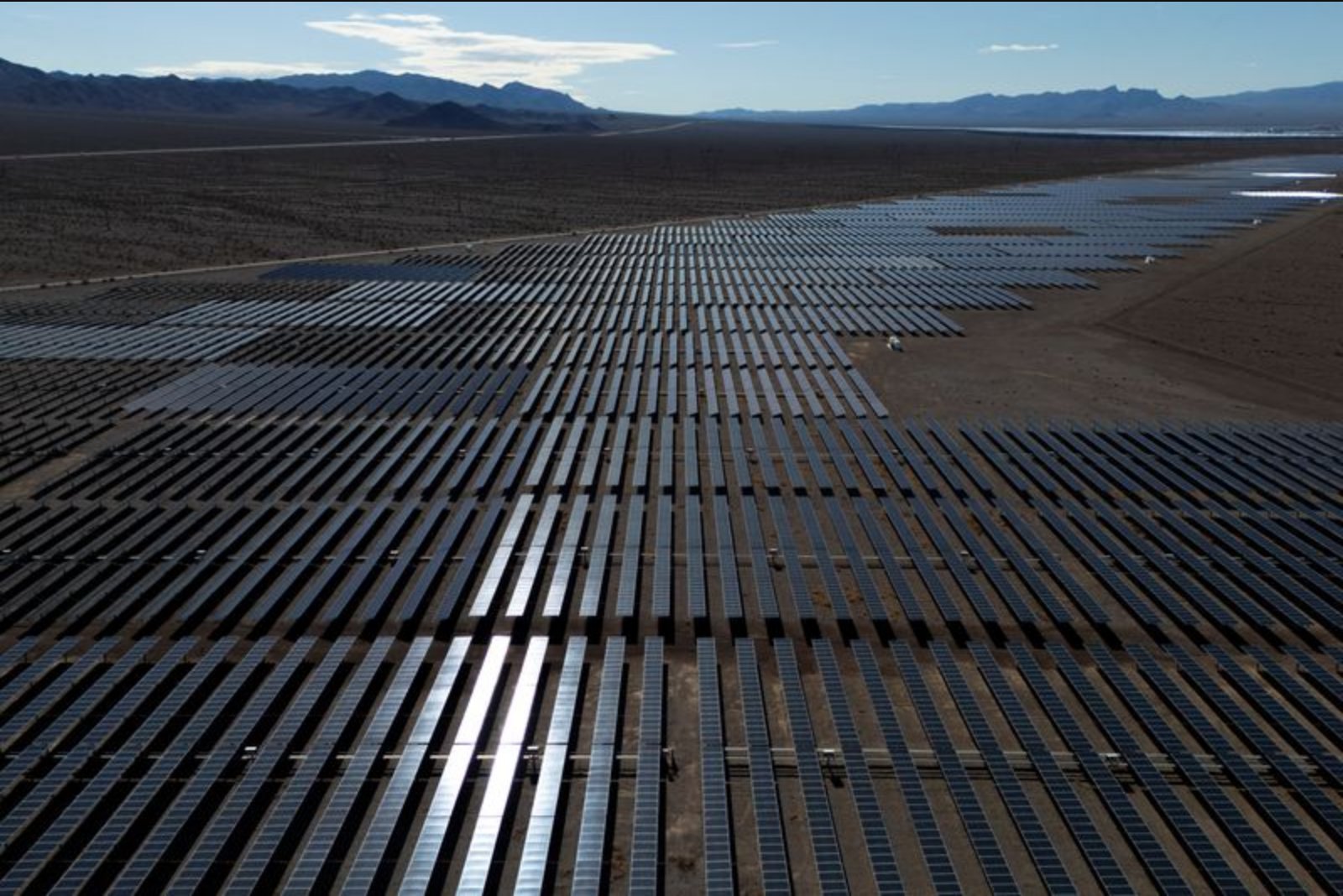
U.S. energy storage capacity expanded by 9.7 gigawatt-hours in the first quarter of 2026, a new high for the quarter and a 32% uptick from the same period last year, an industry report published on Thursday found. The analysis was prepared by the Solar Energy Industries Association (SEIA) together with Benchmark Mineral Intelligence.
The report links robust demand to several market forces, including purchases by data centers, heightened volatility in electricity prices and interruptions to supplies of gas and gas turbines. Technology companies have played a notable role: the report notes that major firms such as Google and Meta announced deals this year to acquire tens of thousands of megawatt-hours of energy storage for data centers used to run artificial intelligence applications.
Utility-scale installations accounted for the majority of first-quarter additions, contributing 7.8 GWh. Commercial and industrial systems added 648 megawatt-hours, while residential installations represented 515 MWh of new capacity.
Geographically, Texas, Arizona and California led utility-scale deployments in the quarter. The report also highlights a political footprint to recent installations: more than 70% of the utility-scale storage capacity installed during the quarter was located in states carried by U.S. President Donald Trump.
Policy friction and project risk
Despite strong quarterly growth, the industry report points to growing headwinds tied to federal policy. It describes tariff pressures on solar and a pause on approvals for major projects under the current federal administration - actions the report frames as oriented toward oil, gas, coal and nuclear energy. The authors say these measures could slow clean energy development.
Specifically, the report identifies 467 solar and storage projects with permits pending that could face delays or cancellations. It warns: "If federal permitting bottlenecks persist, household electric bills will continue to rise and China will surge further ahead in the race for AI leadership."
The report projects more than 610 gigawatt-hours of storage additions by 2030, signaling the scale of planned capacity growth through the rest of the decade.
Addressing the quarter's results, SEIA's interim president and chief executive Darren Van't Hof said: "Energy storage’s remarkable first quarter only underscores the fundamental values of this technology." The report adds that adequate storage can help shield consumers from fuel price shocks, reduce electricity costs and bolster grid reliability.
Implications for markets and sectors
The findings underscore evolving demand dynamics for storage tied to the technology sector's energy needs, the power sector's exposure to fuel supply disruptions, and continuing policy uncertainty for the solar industry. While current installations show strong commercial momentum, the report signals that regulatory and permitting hurdles could slow project execution and affect future deployment timelines.