
Stock Markets June 5, 2026 10:10 PM

U.S. Clears $1.5 Billion Sale of Seahawk Maritime Helicopters to New Zealand

Five MH-60R helicopters approved in move aligned with Wellington’s major defence spending uplift

By Sofia Navarro
Share
Twitter Reddit Facebook LinkedIn
LMT

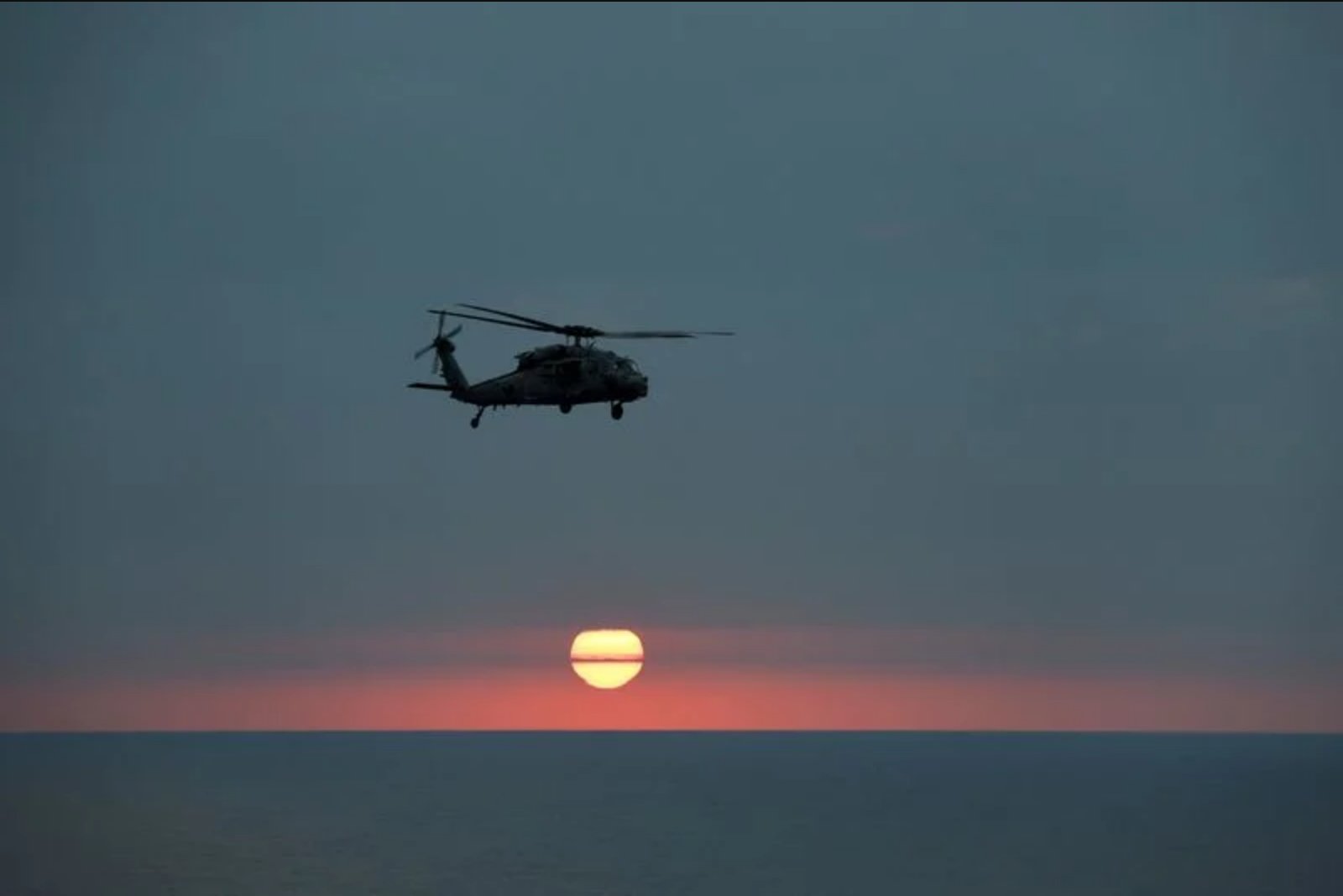
The U.S. Department of State has approved a possible Foreign Military Sale of five MH-60R Seahawk maritime helicopters and associated equipment to New Zealand, a transaction valued at $1.5 billion. The sale supports Wellington’s broader plan to substantially increase defence spending over the coming years and to strengthen homeland defence and protection of critical infrastructure, the State Department said.

U.S. Clears $1.5 Billion Sale of Seahawk Maritime Helicopters to New Zealand
LMT
Summarize with
ChatGPT Perplexity Claude Grok Gemini

Key Points

  • The U.S. Department of State approved a potential Foreign Military Sale to New Zealand for five MH-60R Seahawk helicopters and related equipment at a value of $1.5 billion.
  • The Seahawk helicopters are made by Sikorsky, a unit of Lockheed Martin; the sale is presented as strengthening New Zealand’s homeland defence and protection of critical infrastructure.
  • The purchase aligns with New Zealand’s 2025 plan to increase defence spending by NZ$9 billion over four years and aim to reach defence spending of 2% of GDP within eight years; Wellington allocated NZ$1.58 billion in new defence funding last month.

The U.S. Department of State has determined it will approve a potential Foreign Military Sale to the Government of New Zealand for five MH-60R Multi-Mission Seahawk helicopters and related equipment, a deal valued at $1.5 billion, the department said in a statement posted on its website.

Officials described the package as intended to bolster New Zealand’s capacity to address present and emerging warfare threats and to provide greater protection for critical infrastructure. The State Department added that the country would use the upgraded capability to reinforce its homeland defence.

The Seahawk helicopters are produced by Sikorsky, a unit of Lockheed Martin. The proposed sale arrives as New Zealand’s centre-right government pursues an expansive defence spending program that was announced in 2025. That plan calls for a NZ$9 billion increase in defence outlays over four years - equivalent to about $5 billion - and aims to nearly double defence spending to 2% of gross domestic product within eight years.

Wellington has already begun allocating new funds for the defence upgrade. Last month the government set aside NZ$1.58 billion, or approximately $916 million, in additional defence funding as part of its efforts to modernise and expand the island nation’s military forces.

The announcement noted broader diplomatic and policy context. The United States, under President Donald Trump, has been urging allies in Europe and the Asia-Pacific region to increase their defence budgets. New Zealand, which is a close ally of neighbouring Australia, has been deploying more frequently across East Asia in support of Western militaries and partner states amid concerns about the region’s shifting military balance.

The State Department said the sale of the MH-60R Seahawk helicopters and associated systems will improve New Zealand’s ability to meet current and future threats and to secure critical infrastructure, while strengthening homeland defence capabilities.

Currency conversion in the statement followed the posted rate of $1 equaling 1.7253 New Zealand dollars.


Contextual note - The sale, as described by the State Department, is a proposed Foreign Military Sale and reflects an official determination to approve the potential transaction. Additional steps and agreements would follow to finalise delivery, equipment details, and accompanying support arrangements.

Risks

  • The approval described is for a proposed Foreign Military Sale; additional approvals and arrangements will be required to finalise delivery and support - this affects defence procurement and aerospace manufacturing sectors.
  • New Zealand’s expanded deployments across East Asia and increased defence spending could influence defence budgets and regional military logistics planning - impacting defence contractors and government defence budgets.
  • The broader diplomatic push for allies to raise military spending under the U.S. administration mentioned may create shifts in demand for defence procurement, with implications for the defence supply chain and government capital expenditure planning.

More from Stock Markets

Earnings season shows resilience, but headwinds are mounting Jun 5, 2026 InterPrivate Investment Partners V Raises $201.25 Million in IPO of Units Jun 5, 2026 TD Cowen: Delay in Tokenized Stock Rules Reflects Politics and Technical Work, Not Opposition Jun 5, 2026 Netflix Elevates Longtime Director Jay Hoag to Board Chair as Reed Hastings Steps Down Jun 5, 2026 J&J Cleared of Negligence in Three-Patient Talc Ovarian Cancer Lawsuit Jun 5, 2026