
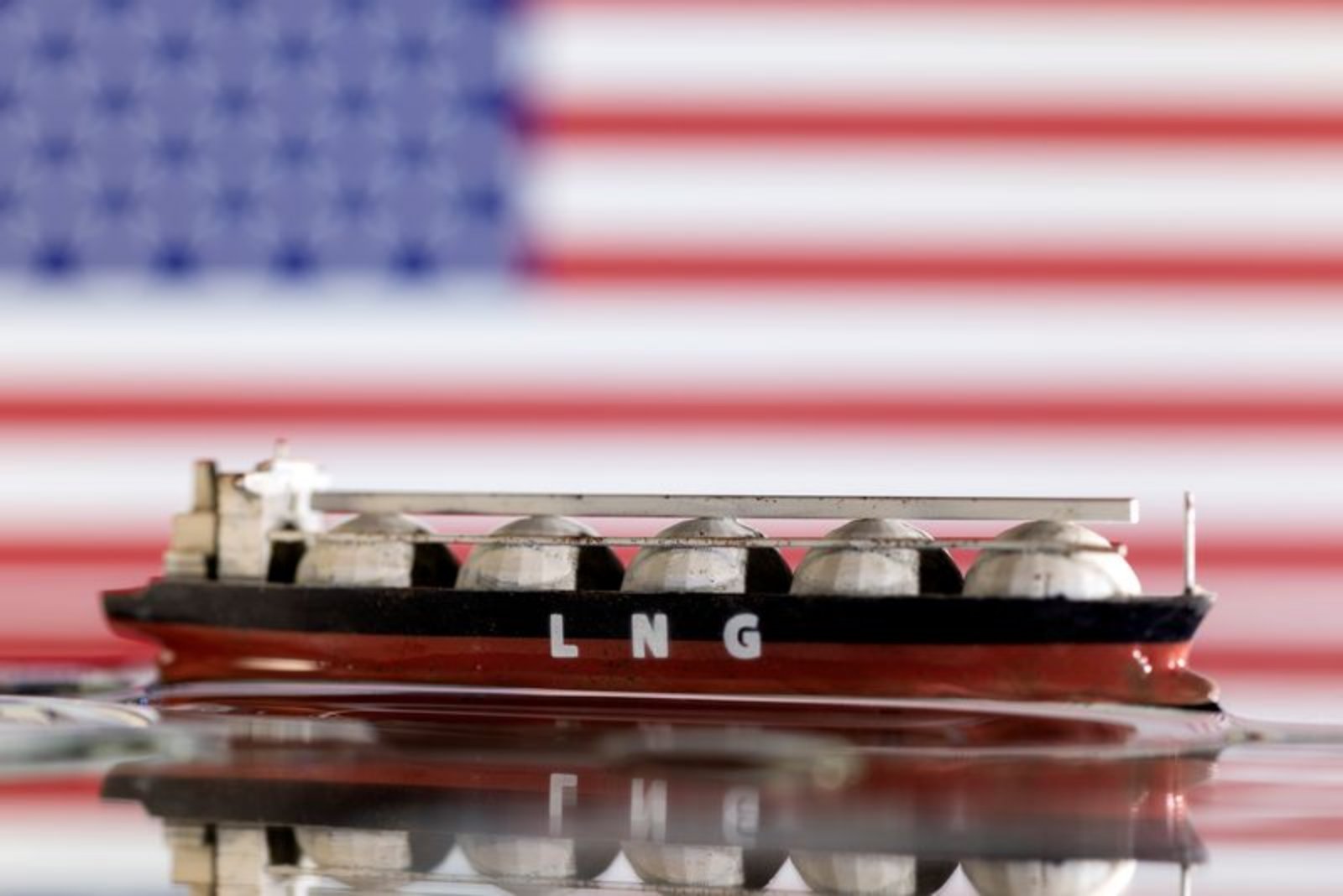
U.S. and Thai parties are engaged in accelerated negotiations over long-term deliveries of U.S.-produced liquefied natural gas, according to two people familiar with the talks who requested anonymity because of the sensitivity of the discussions. The negotiations have picked up pace since damages to LNG production facilities in Qatar following regional military strikes.
Sources described the focal point of the discussions as a binding, long-duration agreement linking U.S. exporter Venture Global with Thailand's state-controlled energy firm PTT PCL. The sources did not provide details on contract volumes or the precise duration. The parties involved typically structure such agreements for terms of 15 years or longer.
Last October, a joint statement issued after trade talks between the administration of President Donald Trump and Thailand said that Thai buyers would acquire roughly $5.4 billion per year of U.S. energy products, including LNG, crude oil and ethane. That backdrop frames the current supply talks but does not define the scope of the present negotiations.
Officials said the talks intensified following a joint U.S.-Israel attack on Iran on February 28 that drew a retaliatory strike on Qatar's LNG infrastructure at Ras Laffan. Those strikes destroyed an estimated 17 percent of Qatar's LNG export capacity, equal to 12.8 million metric tons per year. QatarEnergy's chief executive and state minister for energy affairs has told reporters that repairs could take between three and five years.
Venture Global did not provide comment when approached, and PTT did not immediately respond to requests for comment.
Regional demand and supply responses
Thailand, the largest LNG importer in Southeast Asia, has been pursuing diversification of supply as it gradually shifts away from coal for power generation. In January, French utility Engie agreed to a 15-year LNG supply deal with Thai power plant owner Gulf Development PCL, an example of other long-term arrangements the region is securing.
U.S. exporters have reported increased interest from Asian buyers since the strikes. Cheniere Energy said in March that customers in Asia have sought more LNG because of the conflict. The company, which is the largest U.S. LNG exporter, has said it is accelerating work on two train units at its Corpus Christi, Texas facility to meet demand.
Separately, PTT signed an agreement last year to purchase 2 million metric tons per year of LNG over two decades from Glenfarne's Alaska LNG project, according to Glenfarne. That project has not reached a final investment decision and would require construction of an 800-mile pipeline to move gas from northern Alaska to export facilities for Asian markets. Thailand is also pursuing LNG from Malaysia as part of its diversification strategy.
Implications for markets and energy security
The discussions between U.S. and Thai actors underscore an active search for reliable, long-term LNG supply amid disruptions to a major exporter. While specific contractual terms remain undisclosed, the combination of damaged Qatari export capacity and heightened Asian demand has prompted both private exporters and state purchasers to accelerate negotiations and project timelines.