
Shares of major British oil companies rose on Monday following a sharp uptick in crude prices after the United States and Iran carried out strikes over the weekend. The escalation undermined expectations for an imminent extension of the ceasefire and renewed market concerns about potential disruptions to Middle East oil supplies.
By mid-morning in London, Brent crude climbed $2.93, or 3.2%, to $94.05 a barrel. U.S. West Texas Intermediate advanced $3.36, or 3.9%, to $90.72. Both benchmarks had logged steep monthly losses in May after a brief period of optimism that a ceasefire could be extended and the Strait of Hormuz reopened, easing supply constraints.
The rally in oil helped push U.K. energy stocks higher. Shell and BP rose by about 1.2% and 1.0%, respectively, while Harbour Energy and Ithaca Energy each gained roughly 2.2%.
Official statements described the exchanges as involving defensive and retaliatory actions. The U.S. said it had conducted "self-defence strikes," while Iran’s Islamic Revolutionary Guard Corps reported its aerospace force had struck an air base that had been used for American attacks. Separately, Israel ordered its forces to push further into Lebanon as part of operations against Tehran-backed Hezbollah, adding to the regional pressures that complicate prospects for de-escalation.
Negotiators in Washington and Tehran continued talks over the weekend, but both sides sought revisions to a draft agreement intended to extend the truce and allow reopening of the Strait of Hormuz. Observers characterized progress as unclear. U.S. President Donald Trump said on Friday a decision on the proposed deal was imminent.
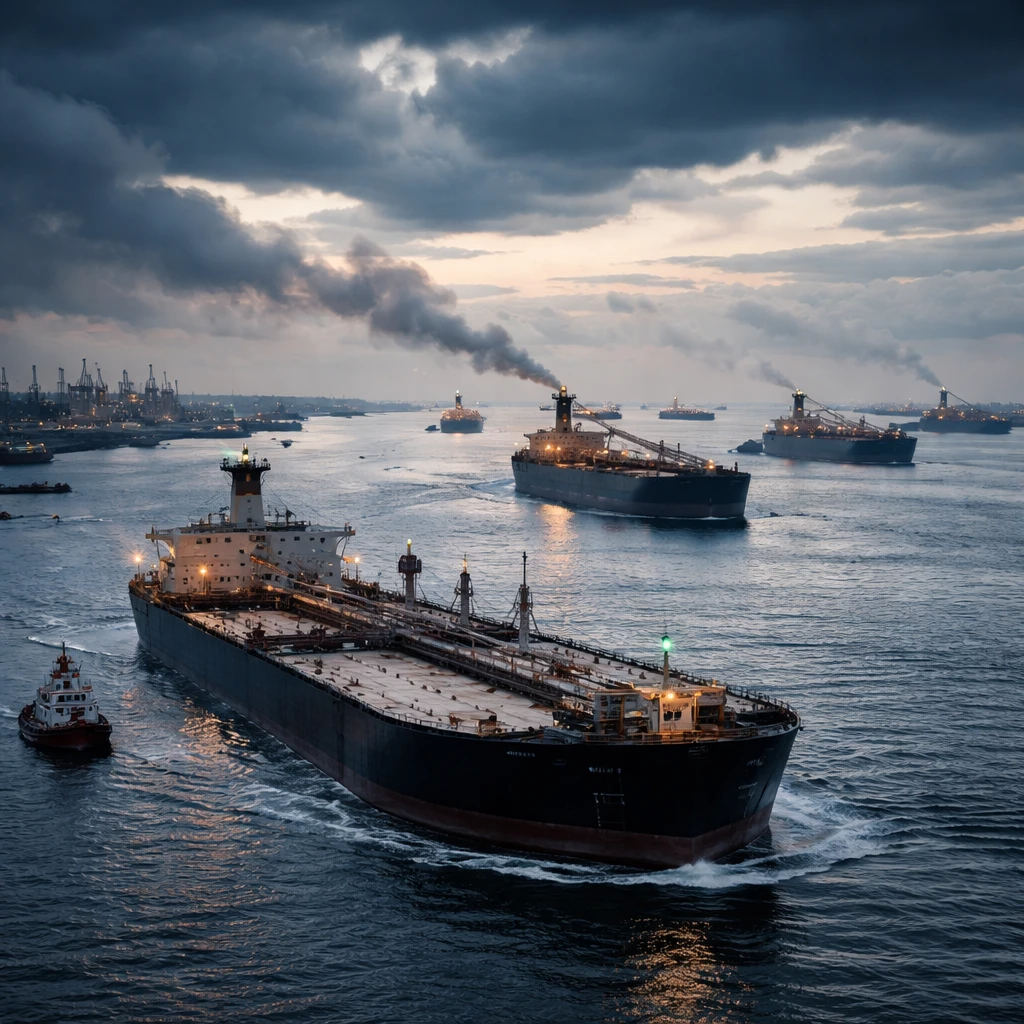
The Strait of Hormuz holds outsized importance for global energy flows: roughly a quarter of seaborne oil passes through the waterway. It has been nearly closed since the wider conflict began in late February, a disruption that coincided with a rise in Brent of more than 25% over that interval. Although some tankers have been able to depart the Persian Gulf in recent weeks, attacks on vessels transiting the strait have persisted.
Industry leaders have flagged the ongoing operational dangers. Chevron Chief Executive Mike Wirth said on Friday that the risks for shipowners remain "very real." That continued vulnerability to attacks and the uncertain diplomatic path toward a sustained truce appear to be the immediate drivers behind the market moves seen on Monday.
Market participants and analysts will likely monitor further developments in the ceasefire negotiations, any additional military activity in the region, and subsequent movements in benchmark crude prices. For now, the renewed geopolitical tensions have prompted a rebound in oil benchmarks and modest gains among U.K. energy equities.