
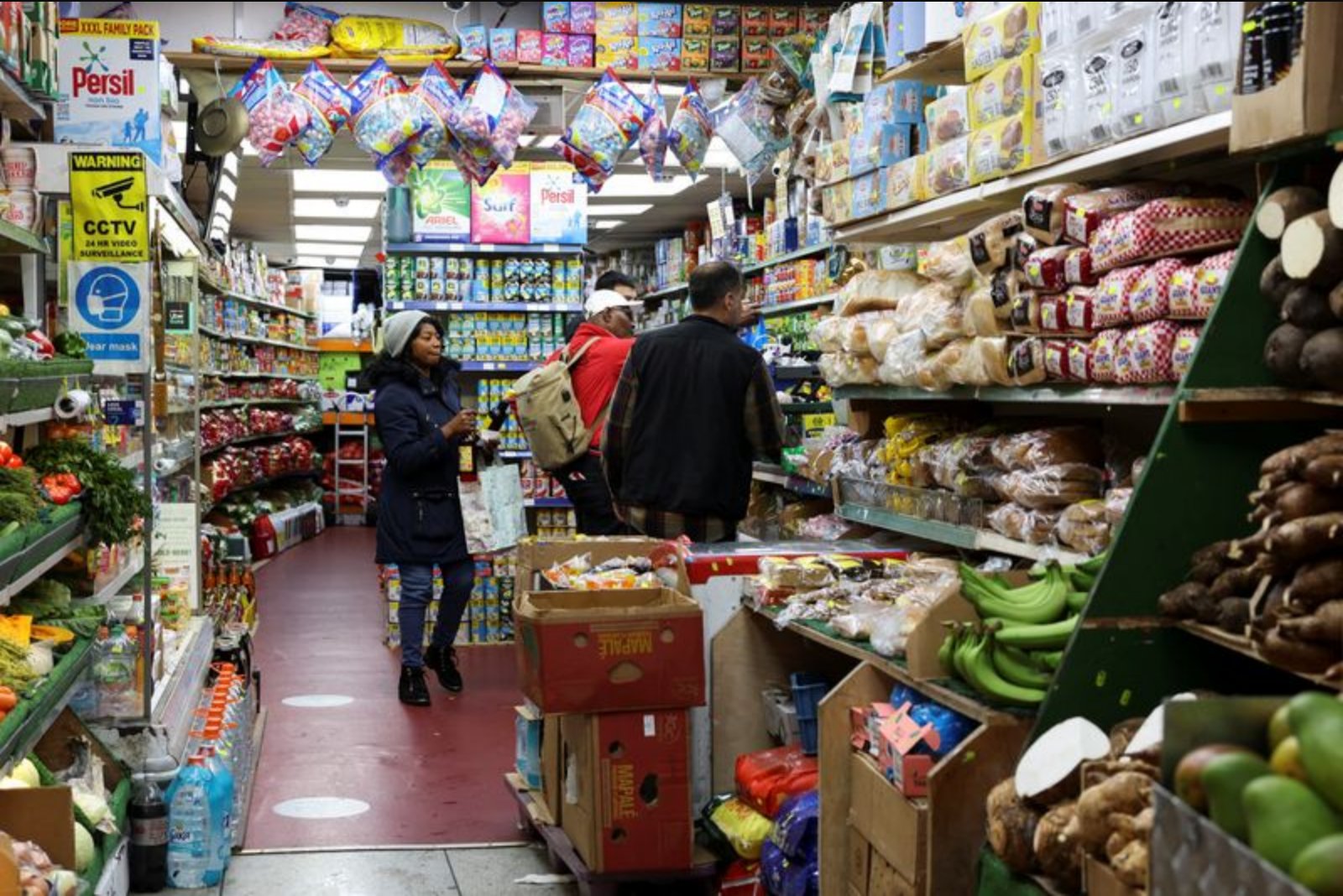
Overview
Researcher Worldpanel by Numerator said on Wednesday that British grocery inflation eased to 3.1% in the four weeks to May 17, marking the slowest rate of increase since December 2024. That compares with a 3.8% increase reported in last month’s snapshot. The data provide an up-to-date glimpse of consumer behaviour and give an early read on food pricing pressures ahead of the official UK inflation release scheduled for June 17.
Sales and shopper behaviour
Worldpanel reported that UK grocery sales were 1.5% higher over the four-week period year-on-year, a figure the researcher said was consistent with shoppers buying fewer items. The dataset also highlighted that promotional activity played a larger role in recent weeks: 30.3% of sales included a deal over the four-week period, up from 28.4% in the prior year.
Product-level price movements
The researcher identified the fastest-rising categories as chocolate confectionery and fresh unprocessed fish. Categories recording the steepest declines in prices included butter and spreads, sugar confectionery and household paper.
Policy response and government measures
Last week, Britain’s finance ministry retreated from a proposal to impose price caps on selected essential products such as eggs, bread and milk after a strong negative reaction from retailers. Instead of caps, the government plans to cut import tariffs on more than 100 food products as a measure intended to relieve pressure on household budgets.
Retailer reactions and market commentary
Tesco, Britain’s largest food retailer, said in April it "did not recognise" a Food and Drink Federation warning that food prices could rise by almost 10% by December. Separately, the Bank of England said that businesses it had contacted last month expected food price inflation to reach 6-7% later in the year.
Official inflation context
Britain’s official headline inflation rate eased to 2.8% in April, with food inflation recorded at 3.0% for that month. The Worldpanel figures for the four weeks to May 17 offer a near-term picture that precedes the official statistics due in mid-June.
Market share and sales growth by retailer
Over the 12 weeks to May 17, Worldpanel said Tesco and number two player Sainsbury’s continued to gain market share. Discounter Lidl GB remained the fastest-growing bricks-and-mortar grocer and overtook Morrisons to become Britain’s fifth-largest supermarket by share. Ocado was recorded as the fastest-growing retailer overall, while Asda continued to lose share.
| Retailer | Market share (May 17 2026) | Market share (May 18 2025) | Sales % change in 12 weeks to May 17 (year-on-year) |
|---|---|---|---|
| Tesco | 28.2 | 27.9 | 3.2 |
| Sainsbury's | 15.2 | 15.1 | 3.1 |
| Asda | 11.5 | 12.1 | -3.0 |
| Aldi | 10.8 | 11.0 | 0.6 |
| Lidl | 8.6 | 8.1 | 8.8 |
| Morrisons | 8.3 | 8.4 | 1.3 |
| Co-operative | 5.1 | 5.2 | -0.1 |
| Waitrose | 4.5 | 4.5 | 3.0 |
| Iceland | 2.2 | 2.3 | 1.7 |
| Ocado | 2.1 | 2.0 | 10.2 |
Source: Worldpanel by Numerator
Implications for households and markets
The latest Worldpanel snapshot indicates that, while headline grocery price growth has moderated for the four weeks to May 17, consumers remain sensitive to price and promotions. The increased use of deals suggests ongoing trade-offs by shoppers to manage budgets. From a market perspective, the data point to continued competitive pressure among supermarket groups as the largest players extend share gains and discounters and online operators register notable growth.
Note: This article reports the findings and statements contained in the Worldpanel data and comments by firms and institutions as presented.