
Overview
Tyson Foods (TSN) shares fell 5.5% after news emerged that biological samples from calves on a Texas ranch are being examined for a possible infestation of the New World screwworm parasite. The samples were reportedly taken from two calves on the same property in La Pryor, Texas, and have been sent to a federal government laboratory in Iowa for testing, Texas Representative Don McLaughlin said Wednesday.
Details from the ranch and testing
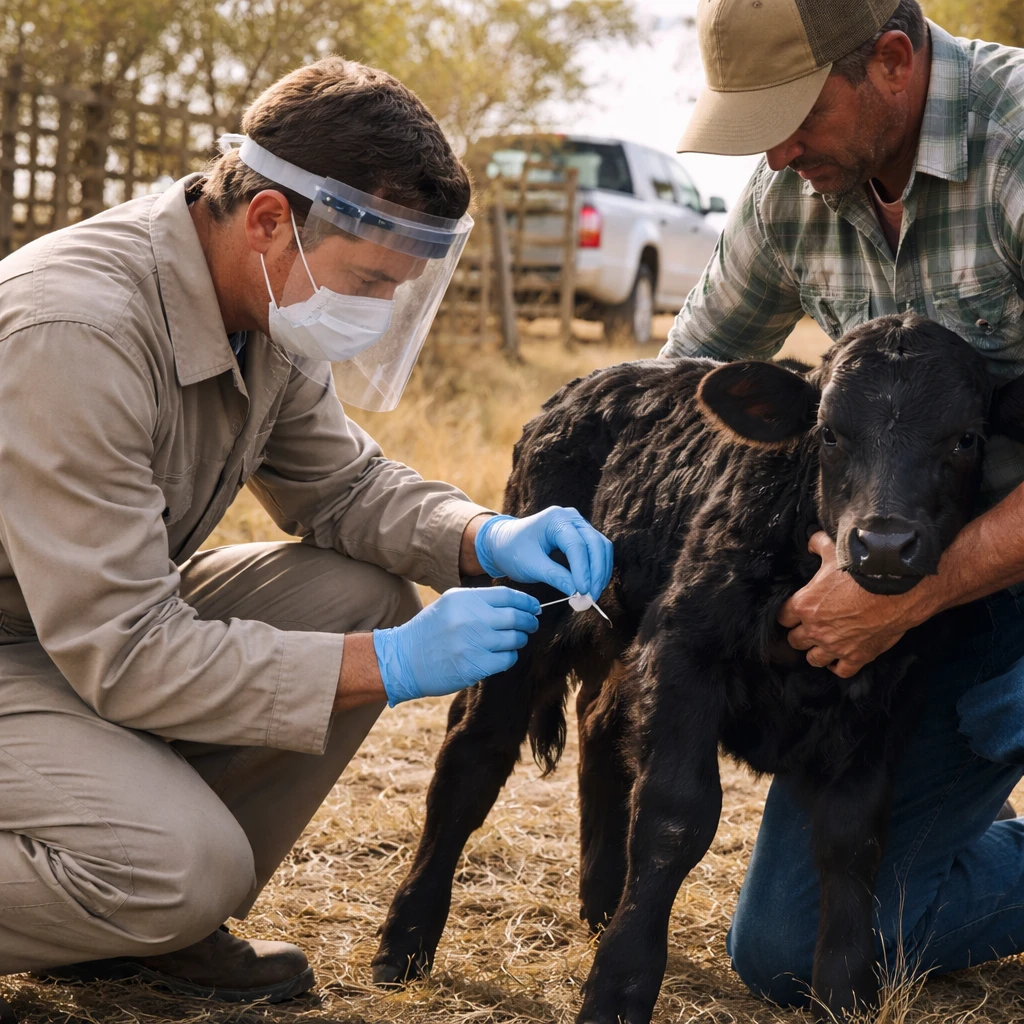
According to the representative, the samples were collected on Tuesday from two animals on the La Pryor ranch. McLaughlin said he had reviewed photographs and video of the affected animals but emphasized that the presence of New World screwworm has not been confirmed. A photograph that circulated publicly shows multiple larvae resembling screwworm inside a bloody circular wound on an animal, though the image could not be immediately verified. McLaughlin also noted one of the suspected infestations was identified in the umbilical cord wound of a calf, but it was unclear whether that was the instance shown in the photograph.
Market reaction
The reports contributed to downward pressure on both Tyson Foods shares and cattle futures on Wednesday. Traders noted that cattle futures markets tend to be particularly sensitive to threats from New World screwworm. Market participants described two contrasting potential effects should an infestation be confirmed - a reduction in near-term beef demand if consumers become concerned about the flesh-eating parasite, and a possible longer-term bullish pressure on prices if a confirmed infestation ultimately reduces U.S. cattle supply.
Context maintained in reports
Officials have sent the animal samples to a federal laboratory for definitive testing, and the suspected nature of the case has not been established formally. The parasite has been reported moving north through Mexico for more than a year, and that regional movement underpins the sensitivity traders assign to any possible U.S. detections. For now, uncertainty around confirmation of the parasite and the inability to independently verify circulating photographs leave the market reacting to unconfirmed reports.
Bottom line - The market reaction to the reported testing in La Pryor reflects immediate investor and trader concern over demand and supply dynamics in the cattle sector, while the investigative and verification process for the samples remains ongoing.