
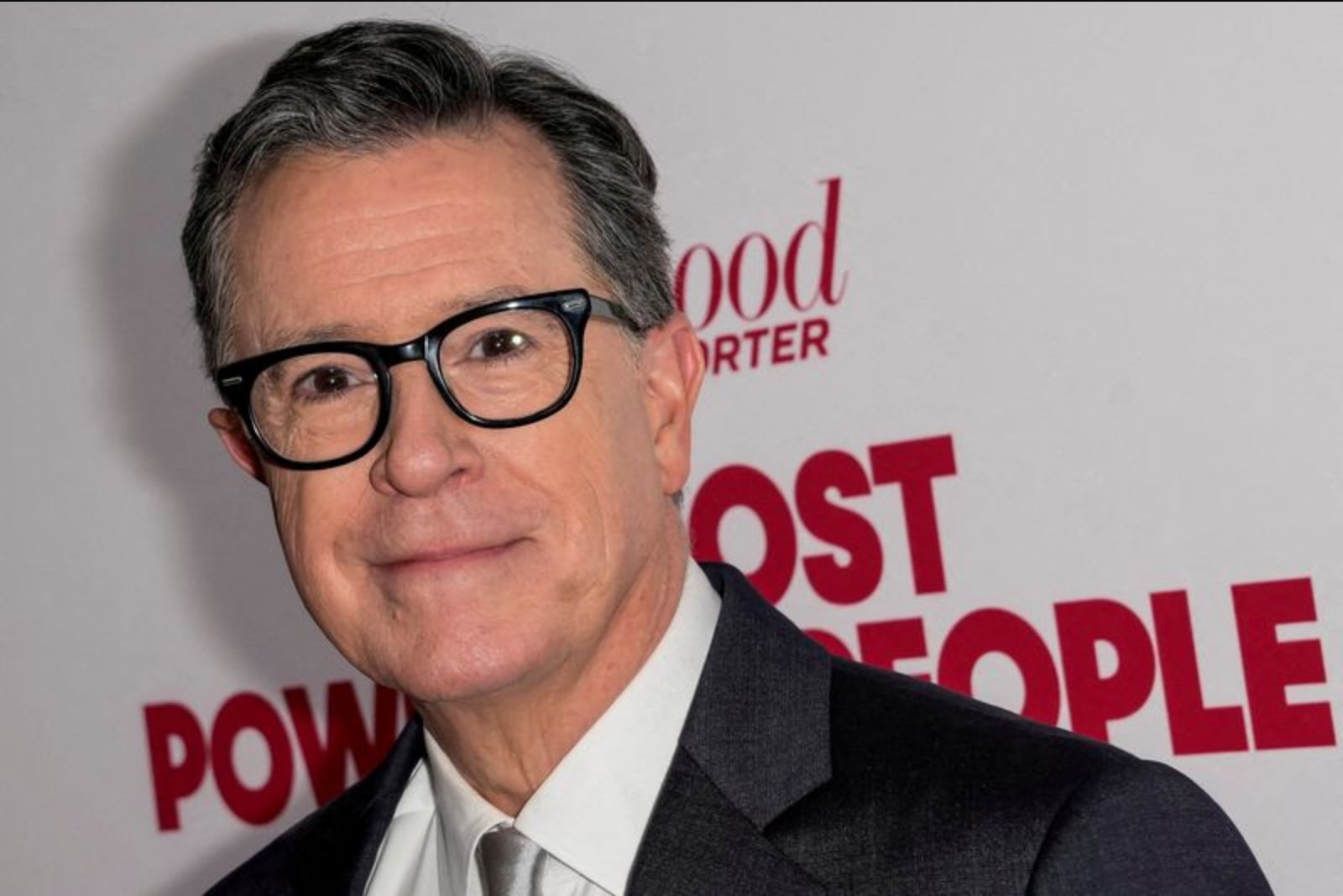
President Donald Trump on Friday celebrated the cancellation of CBS’s "The Late Show with Stephen Colbert" and predicted that other late-night television hosts would be removed from the air. Writing on Truth Social, Trump described Colbert's departure as the "Beginning of the End" for what he called "untalented, nasty, highly overpaid, not funny, and very poorly rated Late Night Television Hosts," and added: "Others, of even less talent, to soon follow. May they all Rest in Peace!"
Colbert had led the highest-rated Late Show for 11 seasons. CBS disclosed last year that it was cancelling the program, saying financial considerations drove the decision. The network's announcement came in July, issued just days after its corporate parent agreed to settle a lawsuit brought by Trump that sought $16 million over editing of a "60 Minutes" interview with then-Vice President Kamala Harris.
Within days of the settlement, the Federal Communications Commission approved Paramount’s $8 billion merger with Skydance. The cancellation of the top-rated late-night program drew criticism from Democrats and other observers who noted the timing of the decision, given Paramount’s pending merger approval, and argued the move raised concerns about whether political considerations influenced programming choices.
Trump has not limited his pressure to public commentary. He has repeatedly called on the FCC to strip broadcast networks of their licenses, urged Walt Disney to fire ABC late-night host Jimmy Kimmel, and told Comcast’s NBC to dismiss host Seth Meyers. In one episode last month, Trump cited a joke by Kimmel as justification for calling for his removal; Disney declined to do so. A day after Trump’s call regarding Kimmel, FCC Chairman Brendan Carr ordered an early license review of Disney’s eight ABC television stations. Disney must file its license renewal applications by May 28.
Democratic FCC Commissioner Anna Gomez said on Wednesday that the administration has been vocal about seeking to remove programming it dislikes. "This administration cannot tolerate any critics, whether it’s late-night comedies, whether it’s 'The View'," Gomez said. "They are using every regulatory lever in their arsenal to go after content." The FCC has opened an investigation into whether ABC’s "The View" violated equal time rules related to an interview with Democratic Senate candidate James Talarico of Texas.
CBS in February barred Colbert from airing an interview with Talarico, citing an FCC order issued in January. Colbert criticized the administration at the time, saying: "Donald Trump’s administration wants to silence anyone who says anything bad about Trump on TV, because all Trump does is watch TV."
FCC Chairman Brendan Carr has rejected the suggestion that Colbert was removed under government pressure, saying in March that "He’s just not as popular or as funny as he once was, if he ever was." Carr also reposted Trump's call for Seth Meyers to be fired after the president made it public. In another move cited in recent months, Carr in September 2025 pressured broadcasters to consider taking Kimmel off the air; ABC briefly suspended Kimmel’s program over comments he made about the assassination of conservative activist Charlie Kirk. Carr’s actions have drawn criticism across the political spectrum.
Major networks did not immediately provide comment on Friday. NBC, CBS and ABC were reported to have no immediate responses to the latest round of public statements. The broader late-night television format - a mainstay of American broadcasting since the 1950s - has shown declines in viewership and advertising revenue over recent years, a trend that networks have cited in programming decisions.
Context and market notes
Corporate and regulatory actions surrounding late-night programming have intersected with merger approvals, license reviews and litigation settlements. CBS’s cancellation of its top-rated program followed a corporate settlement with the president and preceded the FCC’s approval of a major media merger. The resulting controversy has amplified debate over the relationship between regulators, media companies and political pressure.
What remains uncertain
It is unclear which additional programs or hosts, if any, will be removed following Colbert’s cancellation, and how broadcasters will respond to regulatory scrutiny and public pressure. The timing and outcomes of pending license renewals and investigations could affect programming decisions, but the direct causal links remain disputed between regulators, networks and political figures.