
Treasury Wine Estates is refocusing its business around a limited set of premium brands and taking steps to overhaul its U.S. operations as part of a wider cost-cutting and confidence-restoration strategy.
Under the outline unveiled on Thursday, the company said it would simplify its portfolio by concentrating on "Regional Heroes" and "Power Brands," reducing the total number of labels to fewer than 30 within five years from the current 76. Management expects the reorganisation of its operating model and a supply-chain overhaul to deliver about A$100 million ($71.33 million) in annual savings.
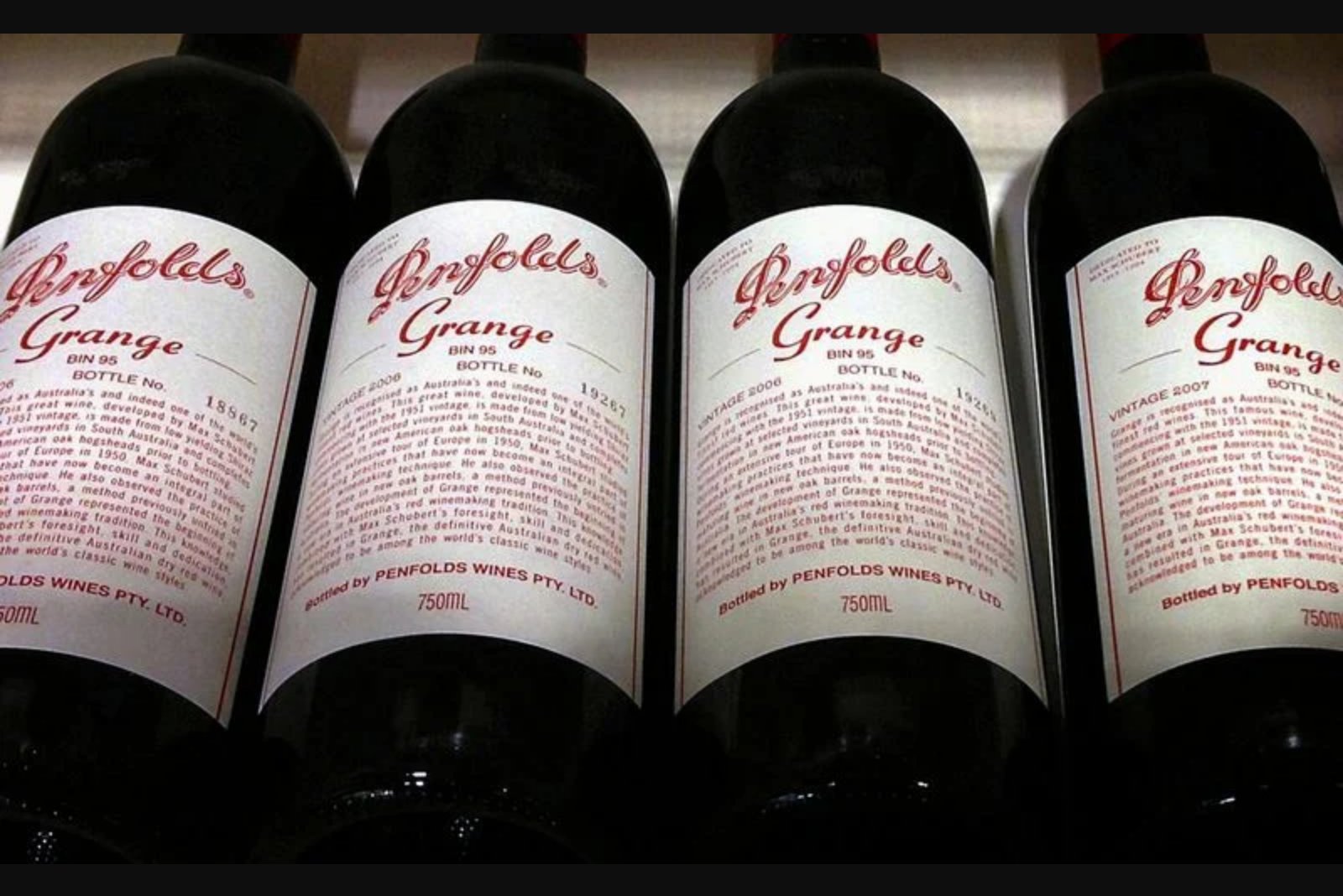
The group identified three power brands - Penfolds, DAOU and Matua - which currently represent 25% of volume but capture 54% of net sales revenue. These flagship labels will receive the largest share of advertising and promotional spend under the new approach, with marketing investment targeted at 12% of net sales revenue for the segment.
Treasury Wine flagged specific issues in its Americas division, citing elevated inventory from recent vintages and excess supply-chain capacity across vineyards, wineries and packaging as two key challenges. To address those imbalances, the company said it plans to divest its Paso Robles and San Luis Obispo wineries, exit vineyard leases in Napa Valley, Sonoma and the Central Coast, and consolidate U.S. luxury production at its St Helena Winery.
The Americas business has weighed on group results amid softer wine demand and disruption linked to changes in the company's distribution network. In response, Treasury Wine is leaning more heavily on its luxury portfolio, anchored by Penfolds, which management views as having strong pricing power in important markets and as a pillar for supporting earnings and margins.
Investors appeared to react positively to the package of measures. Shares rose as much as 12.6% to A$4.640, their highest level since May 25, and were set for their best session since April 22.
Looking ahead, Treasury Wine set an earnings expectation for 2026, projecting earnings before interest and taxes and SGARA items in a range of A$480 million to A$490 million, compared with A$770.3 million in the prior year. Currency used in the company's disclosure noted that $1 equals 1.4019 Australian dollars.
Context and implications
The company's plan combines a narrowed brand focus, higher marketing concentration on top-performing labels and a reshaped U.S. footprint intended to reduce cost drag from excess capacity. The measures are aimed at improving profitability and rebuilding investor confidence following a period of weaker results in the Americas.
Execution will require the sale or closure of specific U.S. assets and the redeployment of production to St Helena, alongside the targeted reallocation of promotional resources toward Penfolds, DAOU and Matua.