
Correction: Volvo has said incidents with fires are "well under" 0.1%, not 0.1%.
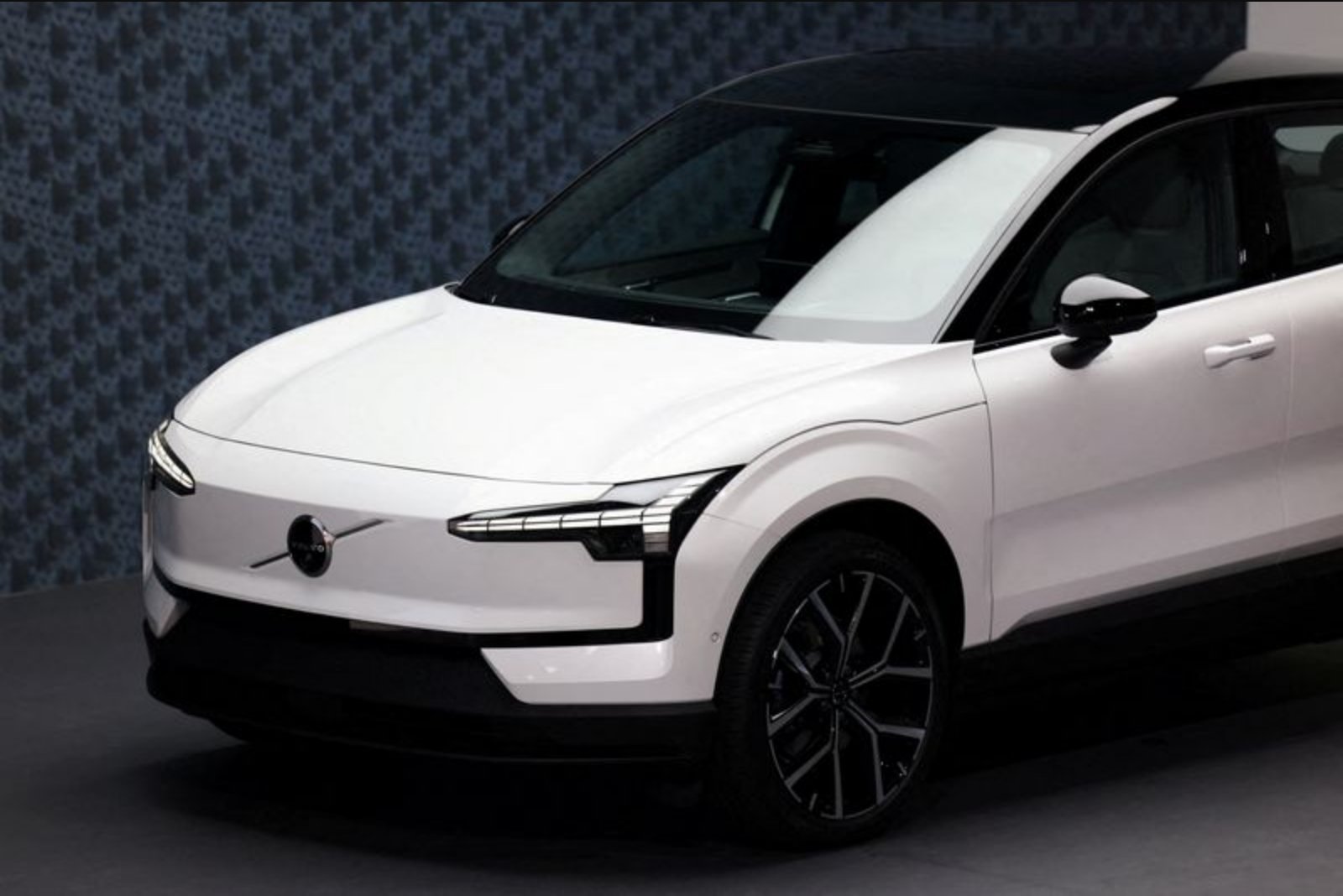
STOCKHOLM/BANGKOK, May 20 - Two additional battery-related fires in Volvo Cars' EX30 electric SUV have prompted Thailand's consumer watchdog to move toward possible civil action, intensifying scrutiny of the Swedish carmaker as it manages a worldwide recall of the model.
The Thai agency announced on Tuesday that it will refer fire-risk complaints to an internal committee, a procedural step that could pave the way for civil lawsuits against Volvo Thailand and the automaker's dealers. The watchdog is seeking refunds plus interest on behalf of 45 complainants. The agency emphasised that civil action targets remedies for consumers rather than criminal penalties.
Volvo is scheduled to meet with the watchdog on Thursday, according to Patcharin Sumsiripong, secretary to the Prime Minister's Office. Volvo Cars did not comment on the potential for a civil suit.
Background on the recall: In February, Volvo announced plans to recall more than 40,000 EX30 vehicles and replace affected battery modules after identifying a defect that could cause battery packs to overheat and in some cases catch fire. The company has since reduced the number of cars in the recall to 37,802 from an earlier figure of 40,323.
As an interim safety measure introduced in December, Volvo advised owners in more than a dozen countries - including Brazil, Australia, Britain and Thailand - to limit charging to 70%. Thai officials have said that this recommendation did not adequately mitigate the risk.
Volvo has acknowledged supply challenges and customer frustration tied to replacement delays. A company spokesperson said there had been "some delay due to the Iran war" and reiterated that incidents are uncommon, noting fires have been reported in "well under" 0.1% of affected vehicles. Chief Commercial Officer Erik Severinson said customers were rightfully upset and that Volvo is working to accelerate shipments. "We’re working as fast as we can to get the new battery modules out to the retailers and to the service workshops ... But I’m not happy for any customer that needs to wait," he said, adding that the company now had a "good pipeline of batteries."
Volvo Cars Thailand, in notices distributed following the most recent fire, said repairs would begin on May 23 and urged owners to keep limiting charging until work is completed. The company also noted that repair and replacement timelines differ across markets; a customer in New Zealand was informed that replacement modules would not be available until the third quarter of 2026.
Owners and affected drivers have voiced disappointment with the pace of fixes. EX30 owner Jakkapong Tawarom, 32, said he was let down by the company's responsiveness. "Volvo’s response and problem-solving was not worthy of the trust we had," he said.
The escalation in Thailand represents a notable regulatory and consumer-relations challenge for Volvo as it seeks to manage both the technical remediation and the reputational fallout from the battery defect and associated fires.