
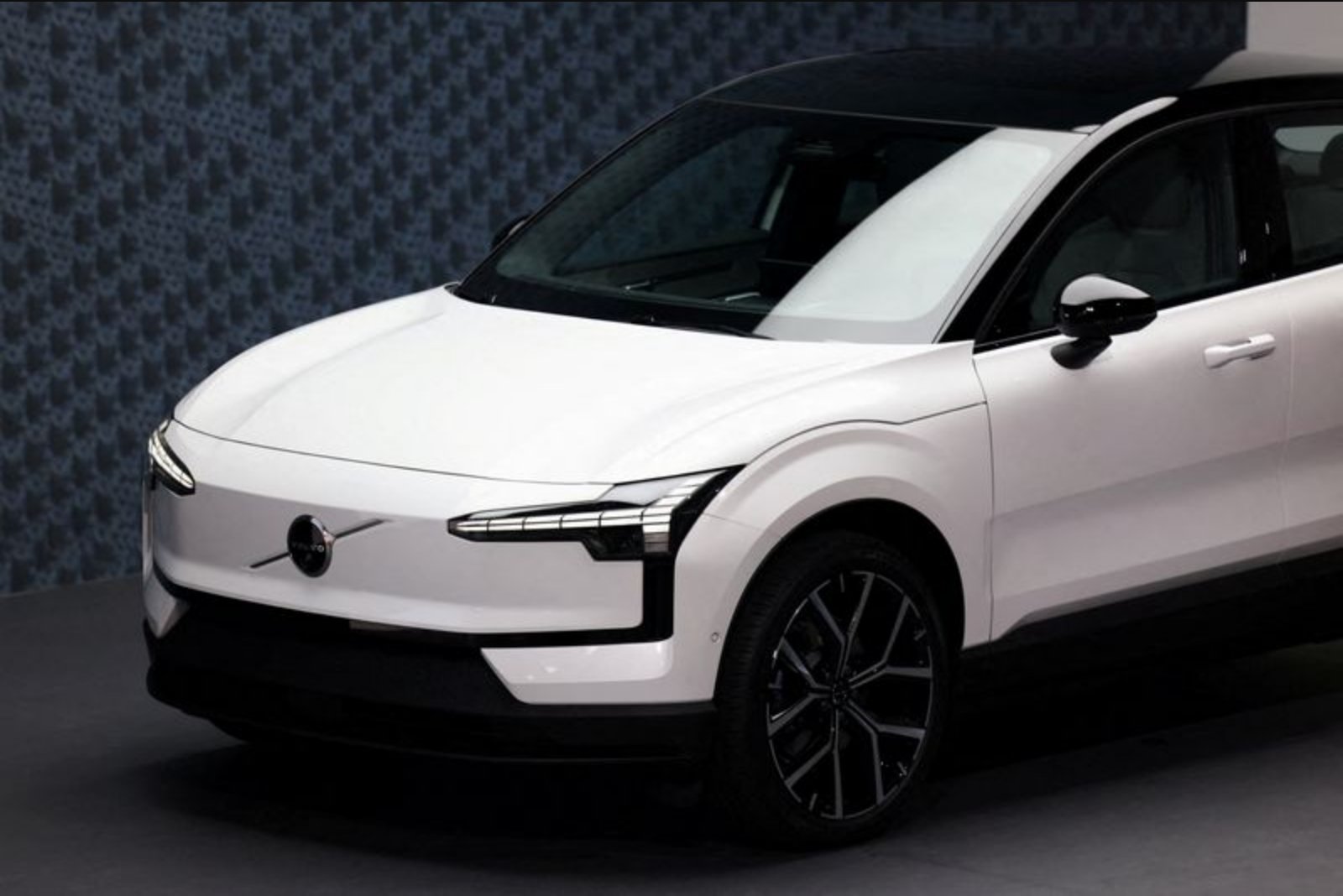
STOCKHOLM/BANGKOK, May 20 - Two fresh battery-related fires involving Volvo Cars' EX30 have prompted Thailand's consumer watchdog to take the fire-risk complaints to an internal committee, a step that could lead to civil action against Volvo Thailand and its dealers. The agency is seeking refunds plus interest on behalf of 45 complainants.
The incidents add to a widening recall effort for the electric SUV. In February, Volvo announced plans to recall more than 40,000 EX30s to replace battery modules after identifying a defect that could cause battery packs to overheat and potentially catch fire.
Officials in Thailand said the advisory that Volvo issued in December - asking owners in more than a dozen countries, including Brazil, Australia, Britain and Thailand, to limit charging to 70% as a temporary safeguard - had not been sufficient to address local concerns. Following the latest events, Volvo Cars Thailand said repairs would begin on May 23 and urged customers to continue limiting charging until fixes are completed, while noting that exact timelines vary by market.
The Thai watchdog's escalation aims to secure civil remedies rather than criminal penalties. Civil action would seek monetary remedies for affected customers. Patcharin Sumsiripong, secretary to the Prime Minister's Office, said Volvo is due to meet the watchdog on Thursday.
Volvo Cars has acknowledged delays in delivering replacement parts and battery modules, which have contributed to mounting customer frustration. Chief Commercial Officer Erik Severinson said: "Rightfully so - a lot of customers were frustrated," and added that the company had a good pipeline of batteries and was "working as fast as we can to get the new battery modules out to the retailers and to the service workshops ... But I'm not happy for any customer that needs to wait".
A Volvo Cars spokesperson pointed to disruptions associated with the Iran war as a factor behind some of the delay. The company also stated that incidents remain rare, reporting fires in 0.1% of affected vehicles, and that the scope of the recall has been adjusted down to 37,802 cars from an earlier figure of 40,323.
Service timelines are inconsistent across markets. Notices from Volvo Cars Thailand indicated repairs would start on May 23, but an EX30 owner in New Zealand has been informed that replacement batteries there will not be available until the third quarter of 2026. The extended waits have led to public dissatisfaction; EX30 owner Jakkapong Tawarom, 32, said he was disappointed and that "Volvo's response and problem-solving was not worthy of the trust we had".
Thailand's consumer agency is pressing for refunds and interest for the 45 complainants who reported fire-related issues. The move to an internal committee signifies a formal escalation that could culminate in civil litigation aimed at compensatory relief.
From a product and customer-retention standpoint, the case highlights several tensions in managing a large-scale safety recall for a battery-electric vehicle. Interim mitigations such as the 70% charging cap are intended to reduce risk while replacement modules are produced and distributed, but their effectiveness as a stopgap depends on consistent implementation and clear communication. The delays in parts distribution have strained buyer confidence and prompted regulatory scrutiny in at least one major market.
The situation remains fluid. Volvo Cars has said it will meet with Thai officials to discuss the complaints, and the company maintains that only a small fraction of affected vehicles have experienced fires. For impacted owners, however, the extended wait for replacements and the prospect of pursuing refunds represent concrete and immediate concerns.