
TEXAS - Texas Attorney General Ken Paxton has launched a formal investigation into Meta’s AI-enabled smart glasses, citing concerns about facial data collection and the potential for unauthorized recordings.
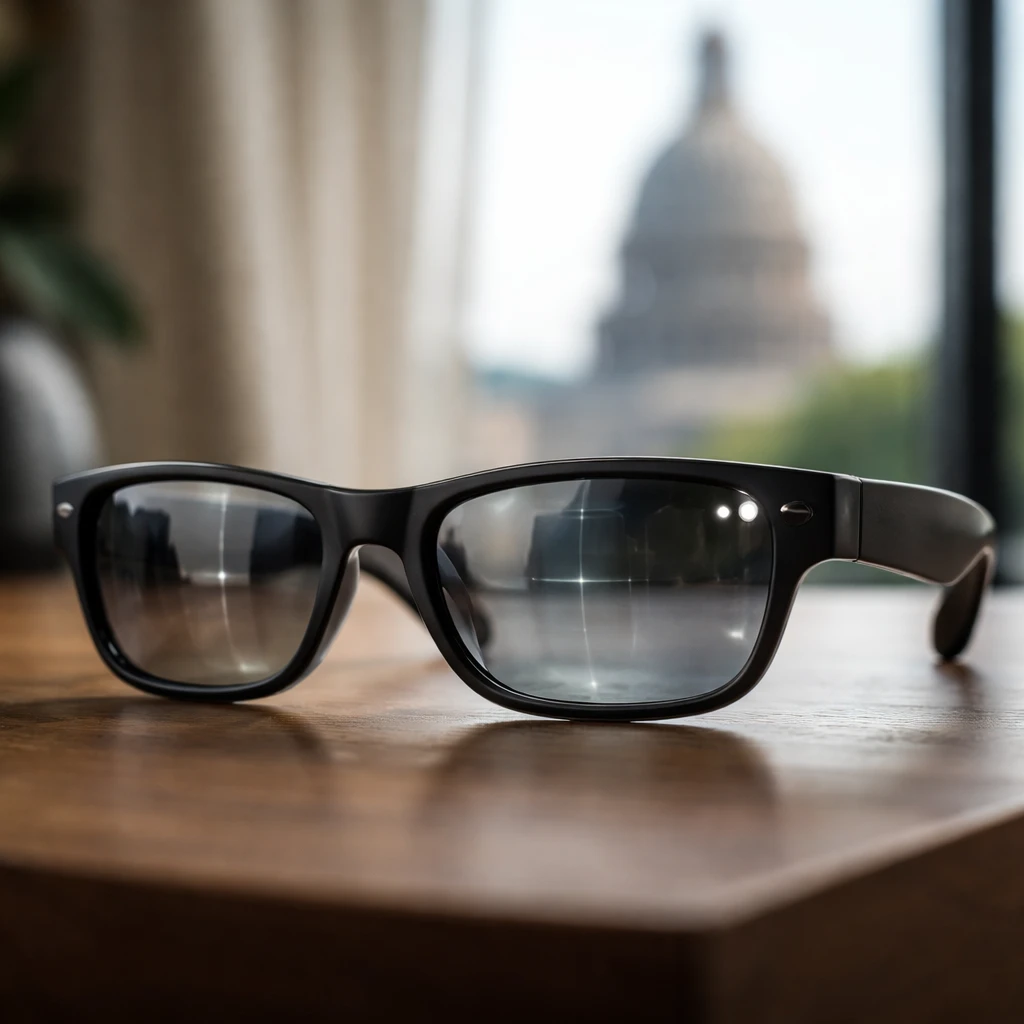
The probe is targeted at the Meta AI Glasses, wearable devices equipped with cameras, speakers and communication functions that permit users to capture and share audio and video. Paxton’s office said the devices include an "always enabled" mode that continuously processes video for Meta AI products. While the glasses are fitted with a small LED meant to illuminate during audio and video capture, the state alleges that this indicator can be obscured and does not light when the always-enabled mode is active.
As part of the inquiry, Paxton issued a Civil Investigative Demand to Meta to determine whether the company misrepresented how it uses private consumer data in ways that could violate Texas law. The demand is intended to probe the company’s disclosures and internal practices related to the devices.
The investigation follows reports from employees at Sama, a Kenya-based subcontractor working with Meta, who said they had accessed private user information. Data annotators at Sama described viewing video content that included private moments, reportedly including bathroom visits. One annotator noted that faces in annotated footage are supposed to be blurred automatically, but that the blurring does not always occur.
Separately, reporting indicates Meta is developing facial recognition capability for the glasses under an internal feature name, "Name Tag," which would capture facial geometry from people recorded by the devices' cameras. That prospective feature is referenced as part of the broader concern about how biometric data might be collected and used.
Paxton has previously taken action against Meta on related grounds. In July 2024, his office secured a $1.4 billion settlement with the company over the unlawful use of facial recognition technology in its application.
The current investigative steps by Texas officials focus on whether Meta’s representations to consumers match the company’s actual data practices for the glasses, including real-time processing modes, recording indicators and the handling of footage by third-party contractors.