
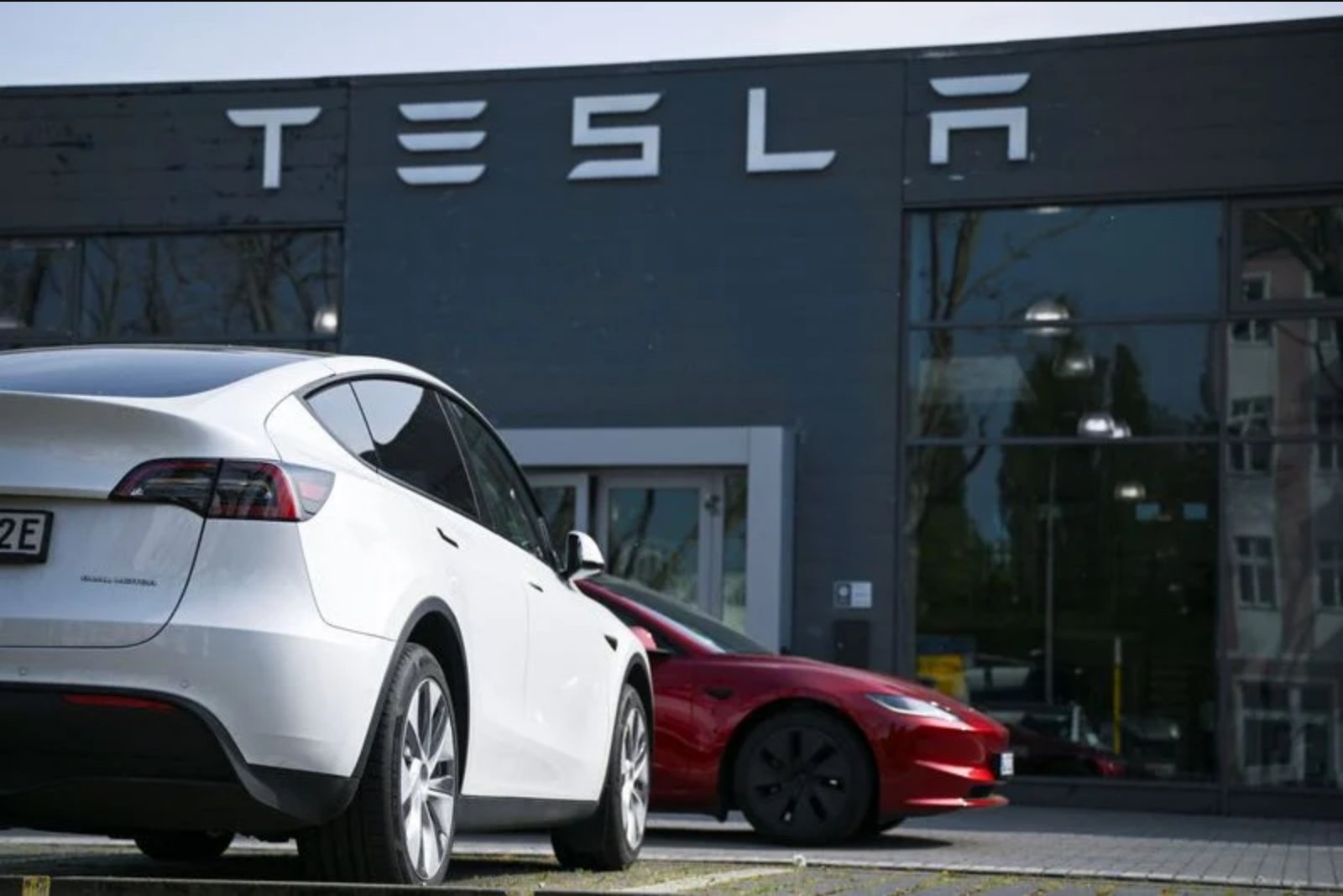
Tesla posted a record number of vehicle deliveries for the second quarter, reporting 480,126 units delivered in April through June, comfortably surpassing Wall Street estimates. The total was roughly 25% higher than a year earlier and exceeded analysts' average forecast of 402,776 vehicles, according to Visible Alpha data.
Production during the quarter came in at 451,758 vehicles, meaning deliveries outstripped production by more than 28,000 units. That gap resulted in the company drawing down inventory that it had accumulated in the first quarter rather than increasing stockpiles further.
The gain in deliveries was driven largely by a recovery in Europe, where demand rebounded across several key markets after a pronounced slump last year. Analysts had attributed much of that slump to damage to the brand from the CEO's political activities, and the recent uptick helped offset persistent weakness in North America.
U.S. demand has shown signs of stabilization following a sharp decline after the $7,500 federal electric vehicle tax credit expired at the end of September. Despite that stabilization, North America remained a weaker region relative to Europe during the quarter.
Tesla's China-made electric vehicle sales have also increased this year, supported in part by production of a refreshed Model Y. Those gains have come amid intense competition from domestic automakers, including BYD and others competing within the Chinese market.
The Austin, Texas-based company said it will release its quarterly earnings report on July 22 after markets close. Tesla shares were up less than 1% in premarket trading following the delivery announcement.
Beyond raw delivery numbers, Tesla has continued to expand deployment of its Full Self-Driving (FSD) advanced driver assistance software in Europe, although the feature remains available in only a handful of countries. Analysts cited in the company's commentary expect FSD to become more broadly available over the coming months, which could support demand.
Wall Street's focus has shifted in recent periods, with many investors placing greater emphasis on Tesla's longer-term initiatives in autonomous driving, artificial intelligence, humanoid robots and energy infrastructure rather than quarterly delivery totals. The company has moved to broaden its autonomous operations after launching a limited commercial robotaxi service in Austin in June, and it said it expanded those robotaxi operations following that launch.
CEO Elon Musk has stated that the company plans a rapid expansion of the robotaxi service through 2026. Production of the Cybercab - a purpose-built autonomous vehicle designed without pedals or a steering wheel - is expected to ramp up later this year, according to the company's statements.
Tesla's market valuation, roughly $1.6 trillion, is heavily tied to expectations for these long-term businesses even though vehicle sales remain the company's largest source of revenue.
Context and market reaction
The stronger-than-expected delivery figures suggest a potential return of momentum in Tesla's core vehicle business after two years of declines. At the same time, investor attention continues to split between near-term production and deliveries and the company's strategic pivot toward AI and autonomy.