
Cancer treatment in the United States is shifting from a one-size-fits-all model to increasingly precise approaches that match drugs to the genetic makeup of tumors, and that change is reflected in the growing population of people living with the disease.
Two patients featured here — one who has managed breast and ovarian cancers for more than two decades, the other who has lived with lung cancer for nearly 10 years — illustrate the combination of targeted agents, immune-based therapies, hormone pills and conventional chemotherapy that many oncologists now use to turn cancer into a chronic condition for some patients.
The American Cancer Society estimates that 18 million Americans who have ever had cancer are alive today. Survival metrics have improved markedly: a record seven out of 10 cancer patients now survive at least five years, up from under 50% in the 1970s and 63% in the mid-1990s, when drugs designed to attack cancer cells more selectively first began to appear. Despite those gains, chemotherapy that destroys rapidly dividing cells continues to serve as a backbone of treatment for many tumor types.
Rebecca Siegel, who leads surveillance research at the cancer group, said the advances stem from decades of work to decipher cancer biology. She expects survival to keep improving, while acknowledging that cancer - which becomes more common with age - will likely remain the second-leading cause of death after heart disease. Her comment reflects the tension between better long-term outcomes for many patients and the persistent mortality burden of the disease.
Evidence from scientific meetings and trials
Findings presented at the recent American Society of Clinical Oncology meeting in Chicago highlighted several trends. A study showed that cancer deaths among people aged 15 to 49 have fallen 25% since 1990. Trial results presented at the same meeting included new life-extending therapies for pancreatic cancer, skin cancer and certain blood cancers.
Regulatory approvals for cancer drugs typically require demonstration of safety and efficacy, but measures used to judge efficacy often include tumor shrinkage rather than overall survival. In recent years, fewer than one-third of newly approved cancer drugs were shown to extend life spans. Still, researchers report higher success rates in trials that choose patients based on particular genetic markers or mutations - a design that has nearly doubled the success rate compared with unselected trials.
That targeted approach is enabling new options for patients whose disease resists standard therapies. Dr. Vincent Chung, a pancreas cancer specialist at City of Hope, pointed to newer agents such as daraxonrasib, a drug developed to target a specific RAS gene variant that can drive tumor growth. He said such drugs can help patients overcome resistance to older treatments. "This is how you have patients that are living with cancer... if you’ve been on a targeted therapy, you’re going to be probably more sensitive to the older chemotherapy again," he said.
Patient experiences: managing cancer over years
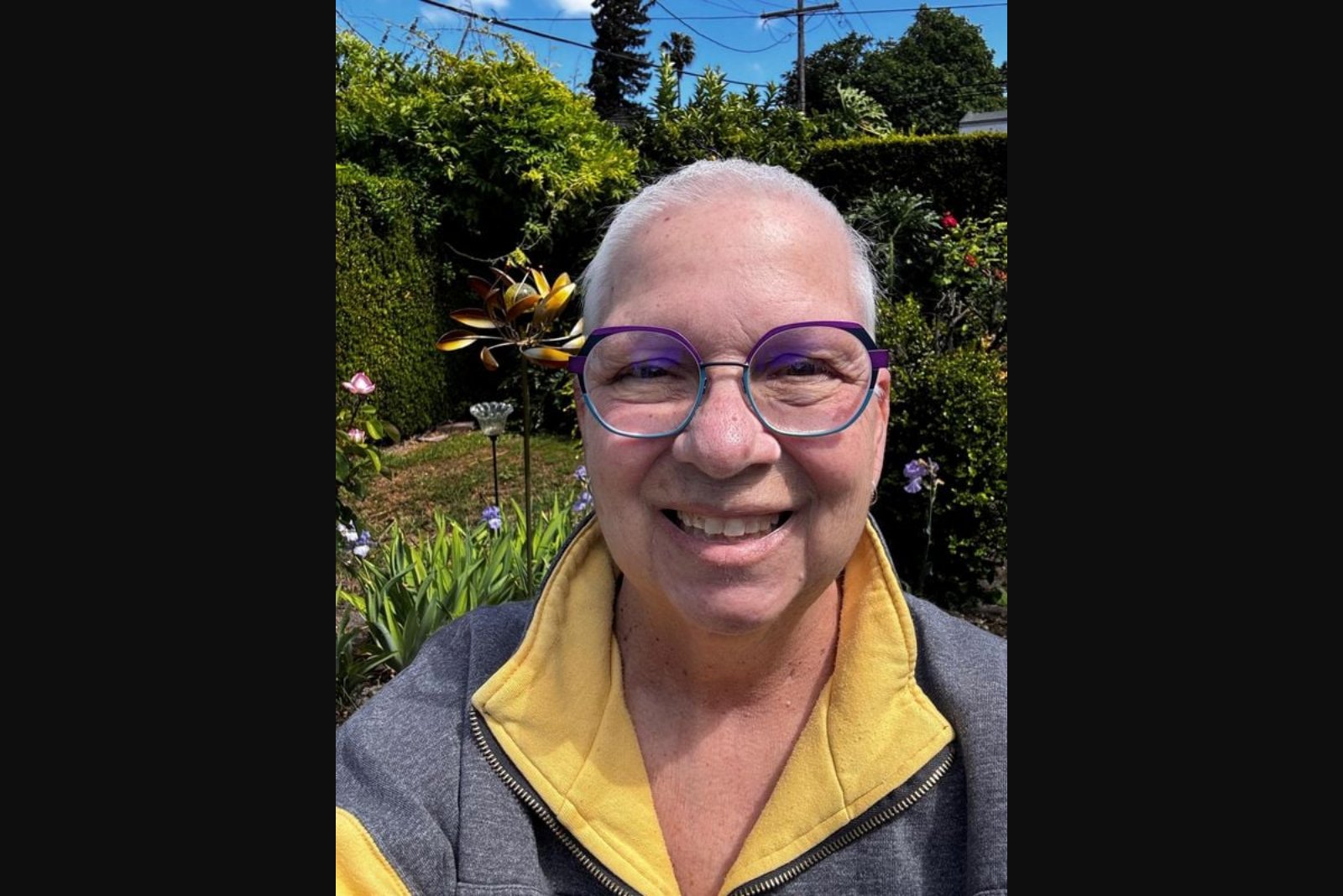
Cathy Smithwick, now 67, was first diagnosed with breast cancer in 2005 and later developed ovarian cancer. Her breast tumor tested positive for the HER2 protein - present in about 25% of breast cancers - and she was treated with an antibody drug designed to block that cancer-causing protein. After an ovarian cancer diagnosis following surgery in 2010, Smithwick went through successive treatments when resistance emerged. Because she had an allergic reaction to platinum-based chemotherapy she can no longer receive that class of drugs.
Smithwick was not tested for the BRCA1 gene mutation until a sister was diagnosed with breast cancer several years after Smithwick’s initial diagnosis. Today she takes an estrogen-targeting pill; clinicians at her health system said they will biopsy and test her tumor for additional genetic markers if it grows large enough. "They will test for all available markers," Smithwick said. She remains active: in November she completed a 4-mile climb in the Himalayas and she plans another trip to Kenya this summer. "Meanwhile I am living my life," she said.
Michelle Vacca, who recently turned 59 and lives in Orange County, California, was diagnosed with lung cancer at an early stage after an unrelated chest x-ray. A biopsy revealed an EGFR mutation, and she initially received AstraZeneca’s tyrosine kinase inhibitor Tagrisso. After the cancer returned and treatment with another agent produced an infected rash, further testing at City of Hope found the EGFR 20 insertion mutation - a change occurring in roughly 2% of lung cancers.
Three years ago Vacca enrolled in a clinical trial of a drug known as CLN-081. The experimental therapy remains effective for her: "It’s still working for me," she said. She reported minimal side effects and that the treatment has not curtailed activities such as attending K-pop concerts.
Research priorities and clinical implications
Clinicians and researchers are responding to the growing population of people living with cancer by expanding survivorship research and genomic profiling. Dr. Saro Armenian, who directs the survivorship program at City of Hope, said the center is intensifying research efforts to map the long-term journeys of cancer survivors, while acknowledging that some patients still face poor prognoses.
Dr. Julie Gralow, chief medical officer of ASCO, emphasized the need for comprehensive genetic analysis of tumors. "We’re going to have to look at the full genomic profile of every cancer," she said, reflecting a move toward broader molecular testing to identify actionable targets and to match patients with appropriate trials or approved therapies.
Overall, the landscape described by researchers, clinicians and patients in these accounts underscores a broader shift in oncology: progress in translating biological insight into treatments that can extend life and, for some patients, permit long periods of active living even while cancer remains present. At the same time, the limits of current evidence for some approvals and the continued reliance on chemotherapy for many cancers highlight ongoing challenges in the field.