
Taiwanese prosecutors are investigating an alleged smuggling route that authorities believe moved Nvidia artificial intelligence chips into China via Japan. Officials from Keelung District detained three individuals last week on suspicion they were involved in the transfer, according to people familiar with the probe.
The detentions center on export paperwork tied to Super Micro Computer servers, which contain advanced Nvidia processors. Prosecutors say the three are accused of falsifying documentation for those server exports to China, activity that would run afoul of existing U.S. sanctions that bar the majority of high-end chip sales to mainland China.
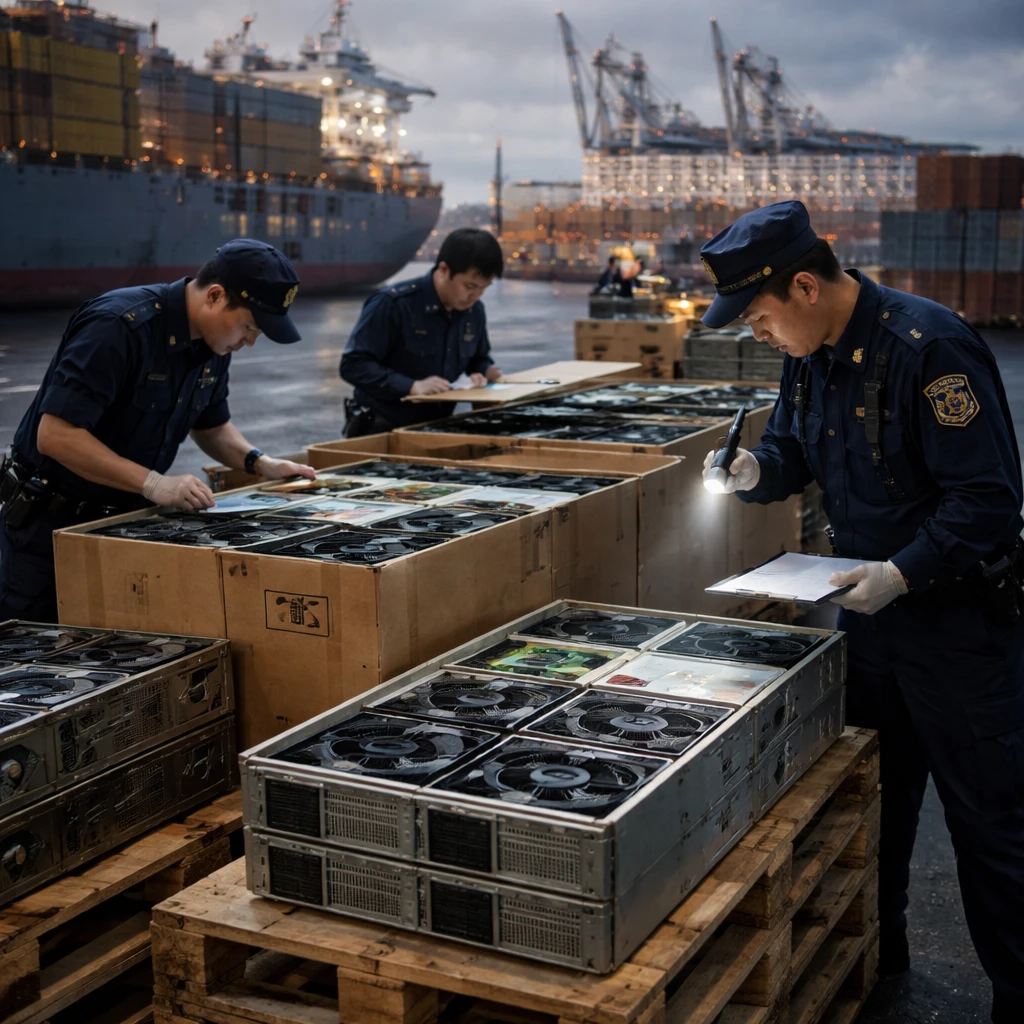
As part of the inquiry, Taiwan authorities seized about 50 servers from the detained individuals. Investigators, however, report that at least one shipment of the servers had already passed through Taiwanese customs prior to the seizure.
In a related development earlier this week, Nvidia Chief Executive Jensen Huang publicly urged Super Micro to strengthen its compliance procedures. That call for improved controls came amid heightened scrutiny around the movement of sensitive AI technology.
Separately, U.S. prosecutors in March charged three people connected to Super Micro, including a co-founder, alleging they smuggled at least $2.5 billion worth of AI technology to China. The current Taiwan detentions and seizures add to a string of enforcement actions and allegations tied to the export and transfer of advanced computing hardware.
What happened
- Three individuals were detained last week by Keelung District authorities in Taiwan on suspicion of smuggling Nvidia AI chips to China via Japan.
- Authorities allege falsified export documents for Super Micro Computer servers that incorporate advanced Nvidia chips.
- Approximately 50 servers were seized by Taiwanese officials, though at least one server shipment had already cleared customs.
Context within enforcement
The alleged exports would violate U.S. export restrictions that prevent most high-performance chip sales to China. The Taiwan action comes as related legal steps have been taken in the United States, where prosecutors charged three people in March in connection with moving AI technology abroad.
Company and market signals
Following the detention and seizure reports, Nvidia's CEO called on Super Micro to bolster compliance, reflecting corporate concern over controls on sensitive hardware shipments.
Reporting is based on details disclosed by authorities and people familiar with the investigation. Where information is limited, this account reflects the facts presented by investigative sources.