
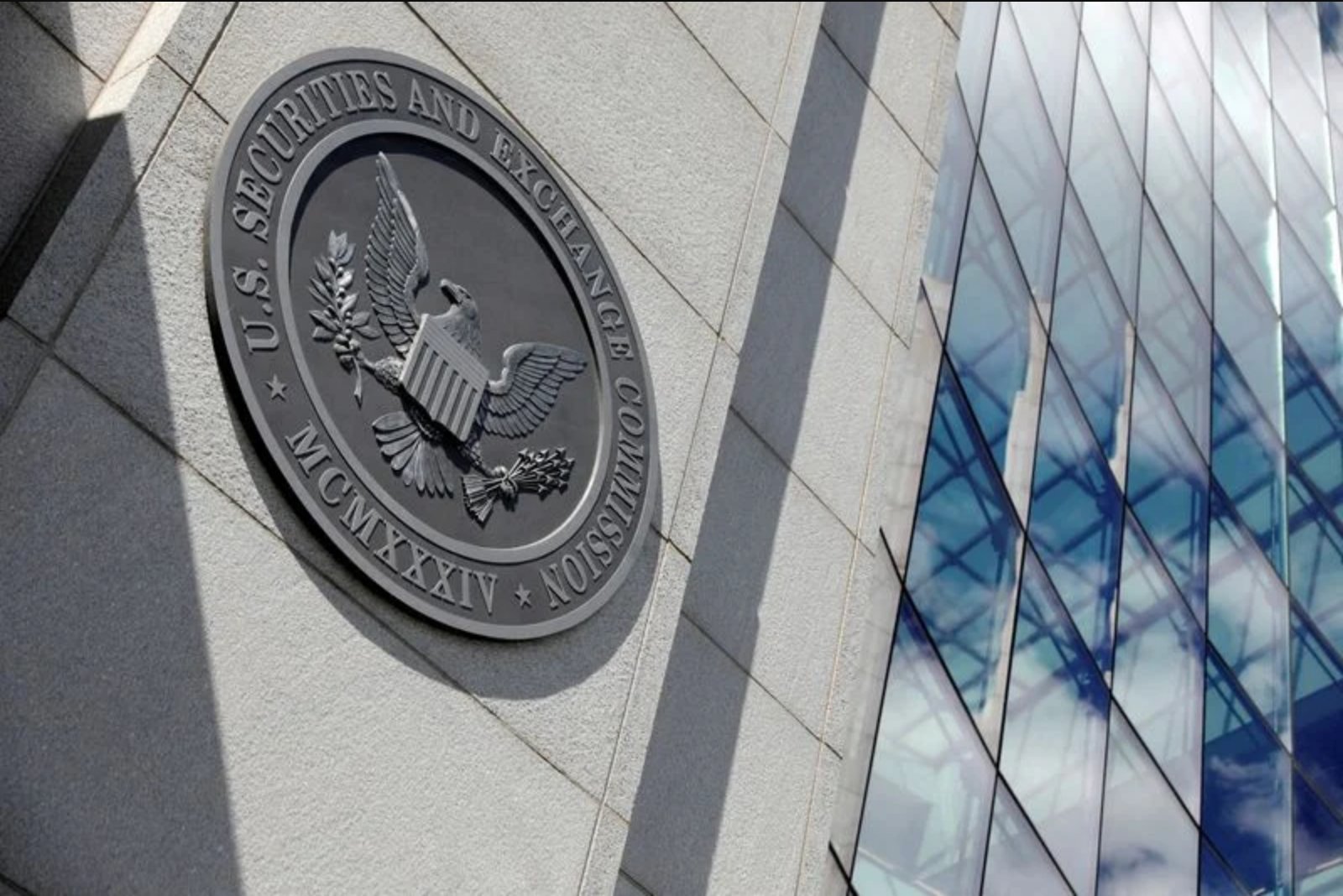
The U.S. Supreme Court on Thursday delivered a pair of rulings that, while reaffirming limits it has placed on federal agencies in prior decisions, stopped short of extending those constraints to curtail the enforcement powers of the Federal Communications Commission (FCC) and the Securities and Exchange Commission (SEC).
In separate opinions, the court sided with the FCC in an 8-1 decision and with the SEC in a unanimous 9-0 ruling. The outcomes preserve central aspects of each agency’s enforcement toolkit: the FCC’s system for imposing fines through forfeiture orders and the SEC’s authority to pursue disgorgement - the recovery of ill-gotten gains.
What the court decided
On the FCC matter, the court rebuffed a challenge brought by major wireless carriers AT&T and Verizon. The carriers argued that a 2024 Supreme Court decision restricting in-house administrative adjudications at the SEC - the Jarkesy case - should lead to a similar limitation on the FCC’s internal enforcement process. The justices rejected that argument, preserving the FCC’s current forfeiture regime while underscoring that the agency’s financial penalties do not foreclose judicial review.
On the SEC front, the court unanimously confirmed that the agency may seek disgorgement without first proving that victims suffered pecuniary loss. That finding upheld a lower-court order, at the SEC’s request, requiring a defendant identified as Ongkaruck Sripetch to repay more than $3 million in proceeds and interest tied to an alleged fraud.
Expert reactions
Georgetown University law professor David Super called the rulings "small, largely technical wins" for the FCC and SEC, adding: "These cases should be understood as the court telling Congress and administrative agencies that, if they adhere to the rigid limits on public regulation in its prior decisions, the court will not come back and move the goalposts."
University of Michigan Law School professor Daniel Deacon emphasized the limits on enforcement timing, noting that the court "stressed that companies have no legal obligation to comply with the FCC’s forfeiture orders until a jury weighs in." He added that the court did not expand the reach of its earlier Jarkesy decision.
Jose Lopez, an attorney at Dorsey & Whitney and a former SEC lawyer, said the unanimous disgorgement ruling "preserved one of the SEC’s most potent weapons in its enforcement arsenal."
Key legal touchpoints referenced by the court
The opinions engage with prior Supreme Court rulings that have reshaped administrative law. The court has in recent years formalized a principle known as the major questions doctrine - which gives judges discretion to set aside agency actions of "vast economic and political significance" absent clear congressional authorization - and in 2024 overturned long-standing precedent on judicial deference to agency interpretations of statutes, a doctrine commonly referred to as Chevron deference. The justices’ rulings on Thursday reflect those constraints while declining to extend them further in these two cases.
Politics and the administration
President Donald Trump’s administration defended the agencies in both cases. Observers noted that the administration’s stance is consistent with a broader approach of selectively supporting agency authority when it serves executive priorities.
Industry and policy responses
Telecom carriers AT&T and Verizon mounted the challenge to the FCC mechanism but failed to persuade the court that the agency’s structure violates constitutional guarantees as interpreted in Jarkesy. The court’s refusal to apply Jarkesy as a broad template for other agencies indicates a more case-specific approach to evaluating administrative enforcement procedures.
On the securities enforcement side, the court’s confirmation of the SEC’s disgorgement power strengthens a central remedy the agency relies upon in fraud and enforcement cases. The court clarified that the 2020 Liu v. SEC decision - which limited disgorgement to the net profits attributable to the misconduct - did not provide a basis for overturning the lower-court order against Sripetch.
Broader implications
Legal advocates who supported the agencies viewed the decisions as affirmations of regulators’ ability to carry out their missions. Brianne Gorod, chief counsel at the Constitutional Accountability Center, which filed briefs backing the SEC and FCC, described the rulings as a win for regulators and for "everyone who benefits from these agencies being able to do their jobs." She added that the outcomes underscore the unpredictability of the court despite a history of rulings seen as favorable to business interests.
Bottom line
The Supreme Court’s paired rulings stopped short of further curbing federal agencies beyond limits previously announced, while upholding two significant enforcement mechanisms used by the FCC and SEC. The decisions suggest the court will enforce the boundaries it has set for the administrative state, but will not automatically extend those constraints into novel contexts when presented with specific enforcement frameworks.