
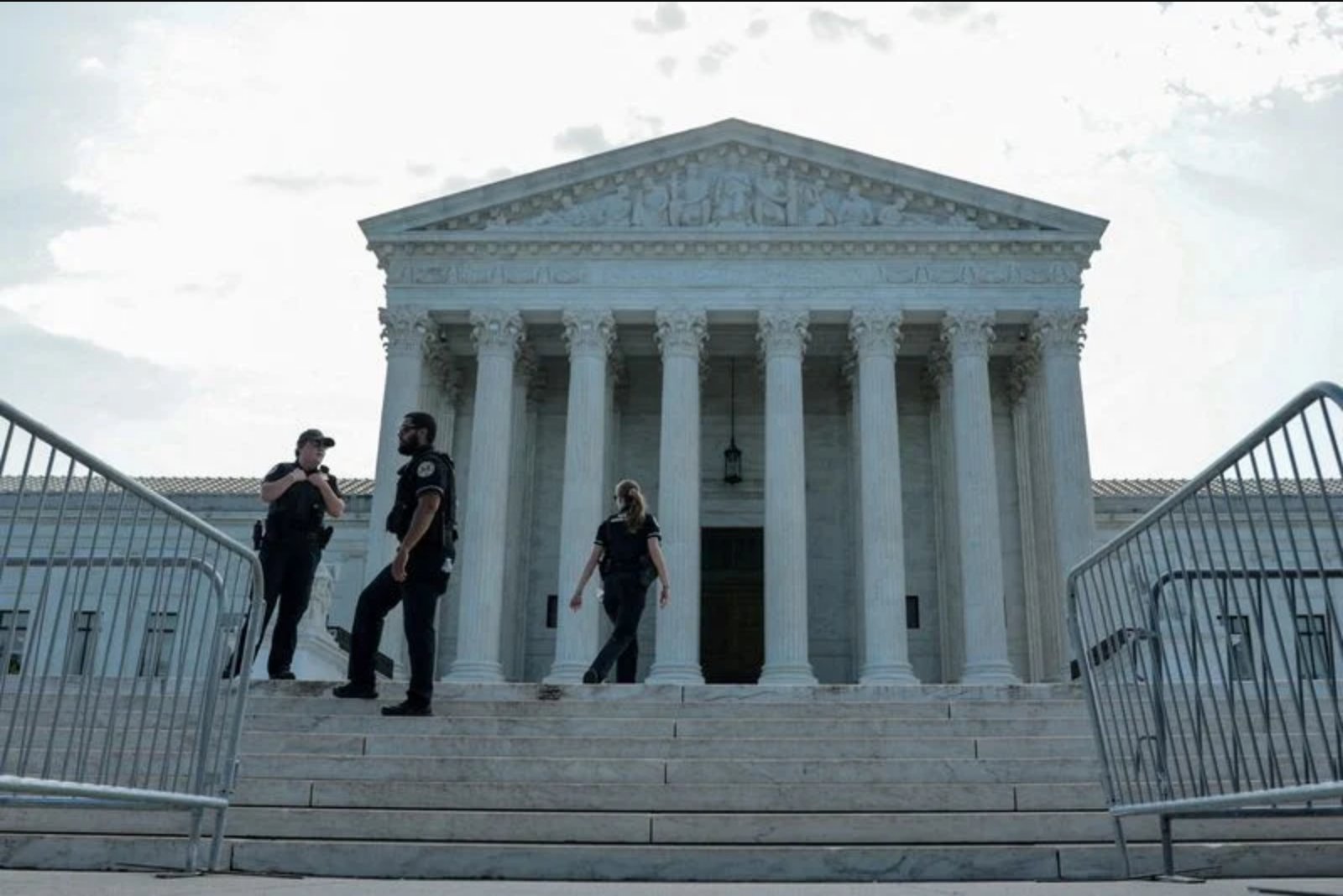
The U.S. Supreme Court on Thursday found that Hikma Pharmaceuticals’ generic version of Amarin Pharma’s cardiovascular medication Vascepa did not violate Amarin’s patents, handing a decisive 9-0 ruling in favor of Hikma and overturning a prior judgement for Amarin. The case focused on the contested legal theory surrounding so-called "skinny labels," which allow a generic drug to be approved for certain uses while omitting patented uses covered by the brand-name drug.
At issue was whether Hikma’s marketing and labeling for its generic Vascepa exposed the company to patent-infringement liability for Amarin’s remaining, patented uses. The U.S. Food and Drug Administration had approved Hikma’s generic only to treat severe hypertriglyceridemia, and the company’s label explicitly omitted the use for less-severe hypertriglyceridemia, a use still protected by Amarin patents.
Vascepa, a fish-oil-derived therapy approved to lower triglycerides and reduce certain cardiovascular risks, is Amarin’s sole marketed product. According to a filing with the U.S. Securities and Exchange Commission, Amarin reported $213.6 million in Vascepa revenue in 2025.
Regulatory and patent protections can cover both a drug’s active ingredient and methods of using the drug. Skinny labels are a regulatory tool intended to foster competition by permitting generics to enter the market without adopting claims that would infringe method-of-use patents held by the branded product’s maker. Generic manufacturers have argued that upholding Amarin’s claims would discourage lower-cost alternatives and raise prices across the U.S. drug market.
Hikma, which is London-based, received FDA approval for its generic Vascepa for the limited indication of severe hypertriglyceridemia; the original branded product earned approvals first in 2012 for the severe condition and later, in 2019, for the less-severe form. Amarin filed suit against Hikma in federal court in Delaware in 2020, contending that Hikma’s communications - including statements in press releases and on its website - encouraged physicians to prescribe the generic for the less-severe condition that remained under Amarin’s patents.
The U.S. Court of Appeals for the Federal Circuit had previously noted that Hikma referred to its product publicly as "generic Vascepa" without adequate clarification that it was approved only for one specific use, and suggested that such references could prompt prescribing for the patent-covered use.
Before the Supreme Court, Hikma emphasized in its brief that generic medications have delivered substantial savings to patients and insurers - an estimated $2.9 trillion over the past decade, according to the company’s filing. Hikma and the Trump administration both urged the justices to reject the theory that would expose generic entrants to increased patent litigation, arguing that the alternative could disincentivize generics and ultimately increase drug costs.
Amarin countered before the high court that Hikma’s circumstances were not typical, noting that it had not pursued litigation against seven other manufacturers of generic Vascepa. The company characterized Hikma’s behavior as an outlier compared with other generic suppliers.
The Supreme Court’s unanimous ruling for Hikma removes an immediate legal barrier for that company’s launch of its generic Vascepa and may serve as an important precedent for future disputes over skinny labels. By narrowing the scope under which generics can be held liable for the conduct of prescribers who use the product for patented indications omitted from the approved label, the decision could reduce the vulnerability of generic manufacturers to certain kinds of patent suits.
Observers and market participants will watch how this ruling reshapes litigation strategies and market entries in the branded versus generic interplay, particularly for therapies where method-of-use patents remain in force while the active ingredient itself faces generic competition.
Key details:
- Supreme Court issued a 9-0 decision overturning a lower court ruling in favor of Amarin.
- FDA approved Hikma’s generic only for severe hypertriglyceridemia; Amarin retained patents covering treatment of less-severe hypertriglyceridemia.
- Amarin reported $213.6 million in Vascepa sales in 2025, per the company’s SEC filing.