
Summary
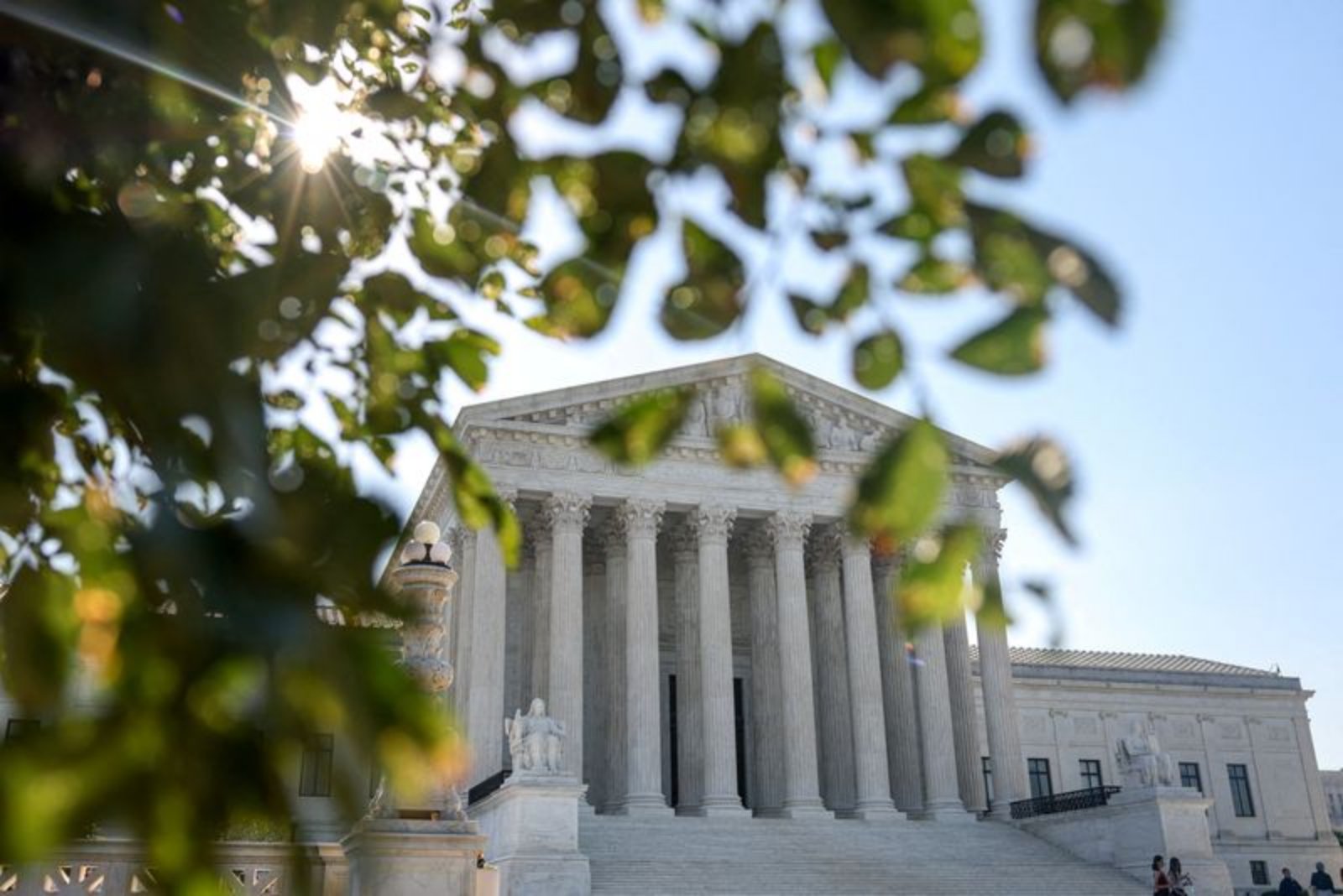
The U.S. Supreme Court, in an 8-1 decision, set aside a lower court ruling that had thrown out $440 million in combined judgments against Carnival, Norwegian Cruise Line Holdings, Royal Caribbean Cruises and MSC Cruises. The judgments stemmed from a lawsuit by Havana Docks Corporation under the Helms-Burton Act, which permits U.S. nationals whose property in Cuba was confiscated on or after January 1, 1959, to sue parties who "traffic in" such property.
Ruling and immediate outcome
By vacating the appeals court ruling that had nullified the earlier verdicts, the Supreme Court has restored at least some of Havana Docks’ path to recovery. The four cruise operators had been found by a federal judge in 2022 to have engaged in trafficking by using the Havana terminal, resulting in judgments of more than $100 million against each company. The 11th U.S. Circuit Court of Appeals later set aside those awards, reasoning that Havana Docks’ concession for the piers would have expired in 2004 and therefore any property interest based on that concession ended before the cruise lines used the facilities from 2016 to 2019.
The Supreme Court’s decision reverses that outcome and sends the legal fight back into the lower courts for further adjudication. The 11th Circuit had not entirely dismissed Havana Docks’ claims, noting a potential viable claim against Carnival based on conduct before 2004. The high court’s move now reopens the broader set of claims that had been nullified by the appeals court.
Legal framework at issue
Havana Docks Corporation built and operated docks in Havana’s port during the early 20th century and held a 99-year concession granted in 1934 for construction and operation of piers. After Fidel Castro’s government came to power and nationalized property held by U.S. companies, the Cuban government did not pay compensation to Havana Docks. The Helms-Burton Act of 1996 created a cause of action enabling U.S. nationals to sue those who "traffic in property which was confiscated by the Cuban Government on or after January 1, 1959."
Although successive U.S. presidents from both parties had suspended a key provision of the Helms-Burton Act to block private suits, the suspension was lifted by President Donald Trump in 2019. That policy change precipitated a wave of litigation in U.S. courts against Cuban state-owned firms and a small number of private companies that U.S. nationals alleged had trafficked in confiscated Cuban property.
Facts at the center of the dispute
The cruise lines in question used the Havana terminal between 2016 and 2019, a period that followed the Obama administration’s easing of travel restrictions to Cuba. In a joint filing in the litigation, the cruise operators argued it "defies common sense that they should pay hundreds of millions of dollars for following the executive branch’s lead in reopening travel to Cuba."
In its appeals decision, the 11th Circuit wrote: "When that concession expired in 2004, any property interest that Havana Docks had by virtue of that concession ended." That reasoning formed the basis for throwing out the $440 million in combined judgments at the appeals level, although it left open the limited possibility of a claim against Carnival related to conduct before 2004.
Wider litigation environment
The appeals court’s ruling had been one of several decisions from U.S. courts that created hurdles for Helms-Burton claimants, with many cases dismissed on jurisdictional or procedural grounds. The Supreme Court heard arguments in the cruise-lines case in February. On the same day, justices also heard oral arguments in a separate Helms-Burton related case brought by ExxonMobil, which seeks compensation from Cuban state-owned Corporación CIMEX over the 1959 confiscation of U.S. oil and gas assets. The high court has not issued a decision in the Exxon case.
What the ruling means procedurally
The Supreme Court’s order to set aside the appeals court’s dismissal does not itself determine final liability for the cruise companies. Instead, it restores the legal positions that had been negated by the 11th Circuit and returns contested factual and legal questions to the lower courts for further proceedings. The practical result is that the cruise lines face renewed exposure under the Helms-Burton Act as litigation resumes.
Contextual constraints
Importantly, the Supreme Court’s action does not introduce new factual findings or monetary awards; it simply vacates the appeals court ruling that had eliminated the $440 million in combined judgments. Any future changes to liability or damages must await subsequent judicial determinations in the trial and appellate process.
Reporting on this case remains focused on courtroom developments rather than on operational matters at the companies involved. The litigation touches on legal accountability for historical confiscations and on how U.S. law treats third-party use of property expropriated decades ago.