
Overview
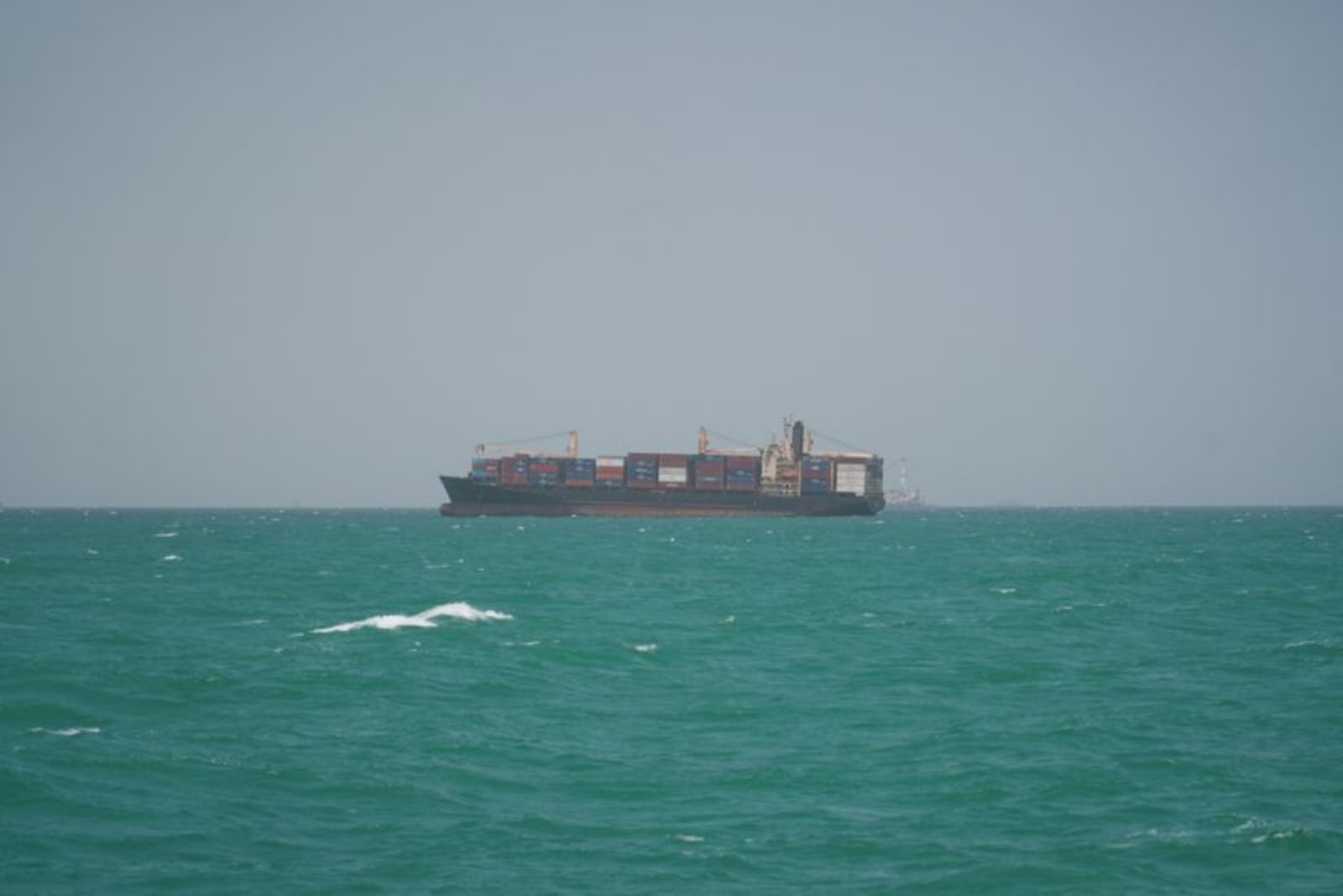
Iran’s release of a map claiming extended control over waters surrounding the Strait of Hormuz has intensified an already severe situation for thousands of seafarers trapped in the Persian Gulf. According to accounts gathered from sailors and union representatives, more than 20,000 mariners remain aboard about 2,000 vessels in the Gulf, many confined to their ships without adequate food, fresh water or certainty about when they might be able to return home.
Life on board: isolation and fear
Visits to ships anchored off the Saudi coast reveal the degree of isolation imposed on crews. When a resupply vessel approached a tanker moored near Dammam this week, crew members gathered at the rail to wave at visitors - a fleeting connection with the outside world in an otherwise confined existence. For nearly three months, seafarers have been living in small groups on board, moving between cramped sleeping quarters, shared dining areas and sun-exposed decks.
"The only thing we do here is plan how to spend the night and pray to God that we do not get hit during an attack," said Indian sailor Salman Siddiqui, speaking by phone from his stranded ship last month. The comment underlines the psychological toll of enduring operations in a war zone where missile and drone activity has been observed.
Why vessels remain trapped
Tehran moved to effectively close the strait - a critical artery for global oil shipments - after U.S.-Israeli strikes on Iran began on February 28. In response, thousands of ships have been unable to transit. Iran’s Persian Gulf Strait Authority, established to process passage requests, published a map on Wednesday that reasserts Tehran’s control over a wide swath of water on both sides of the chokepoint, reinforcing the restrictions on movement.
Shipowners seeking to extract vessels and cargo from the Gulf now face a complex set of payments and permissions required by Iranian authorities. A Reuters report cited by those familiar with the situation described the process as labyrinthine, adding an extra layer of difficulty to already fraught efforts to relocate ships or repatriate crews.
Conditions and complaints
Mohamed Arrachedi, network coordinator for the Arab World and Iran at the International Transport Workers’ Federation (ITF), described the heightened vulnerability of seafarers in wartime. "Seafarers’ vulnerability and exposure is more, let’s say, extreme because of the war," he said, pointing to stalled wages, refusals by some shipowners to facilitate repatriation, shortages of provisions and the constant fear of attacks. He added that some calls to the federation have been made by crew members in tears.
Since the conflict began, the ITF has been contacted by over 2,000 sailors in the Gulf seeking assistance or information to resolve disputes ranging from abandonment and delayed pay to lack of supplies, Arrachedi said.
Personal accounts
From Dammam, observers could see about seven large ships anchored off the Saudi coast - a number notably higher than would be typical. During a transfer of supplies, sailors on a tanker called out as they winched aboard sacks of medical goods while the resupply vessel pitched in a stiff breeze.
Captain Mohit Kohli, commander of a German-owned cargo ship that sailed from Singapore and was caught in the Gulf when the war began, recounted his disbelief at the prospect of the Strait closing. His vessel secured an anchorage off Dammam, but within a week the crew was witnessing missiles and drones being fired toward Gulf states.
"The crew who was usually loud and happy were now silent. Meals got shorter. Conversations were more guarded," Kohli said in a Reuters interview this month after returning to India. He noted his ship’s owners were able to arrange a relief crew, easing their situation to some degree, a help not afforded to all.
Wages, provisions and mental strain
Arrachedi described some of the most severe cases he is handling: seafarers earning modest monthly wages of $100 to $200 who have not received pay since the previous year, with owners either refusing to repatriate them or demanding they sign away back pay as a condition for leaving. Reports from the fleet include sailors subsisting on a single daily meal of rice or lentils and with only intermittent internet access to reach family or external support.
"They need a collective intervention because they are key for our economies, for the supply chains, but also because they are active seafarers and they are civilians," Arrachedi said, emphasizing both the human and economic stakes.
Local assistance and limitations
Gulf states have stepped in to provide some relief, facilitating deliveries of supplies and enabling crew transfers in certain cases. Suliman Almazroua, president of the Saudi Ports Authority, highlighted the practical focus of such assistance: ensuring sailors know there is reachable shore and helping to resupply vessels.
The authority has supported hundreds of ships with food, drinking water, fuel and medicine, and has assisted more than 500 sailors to disembark and transfer from their vessels, Almazroua said, adding that messages of gratitude from those he helped leave were among the most rewarding aspects of his work.
Outlook
With peace negotiations stalled and Iran reaffirming its maritime claims via published maps and administrative controls, the return to normal transit through the Strait of Hormuz remains uncertain. The prolonged standstill affects not only the welfare of seafarers but also operations tied to shipping, ports and the oil sector as vessels and cargoes remain held up in the Gulf.
Contact and assistance points
Representatives and federations such as the ITF have been fielding calls from thousands of seafarers seeking help with repatriation, pay disputes and access to provisions. Local port authorities have provided targeted aid to hundreds of vessels and crew members, though the scale of the problem exceeds the assistance already delivered.