
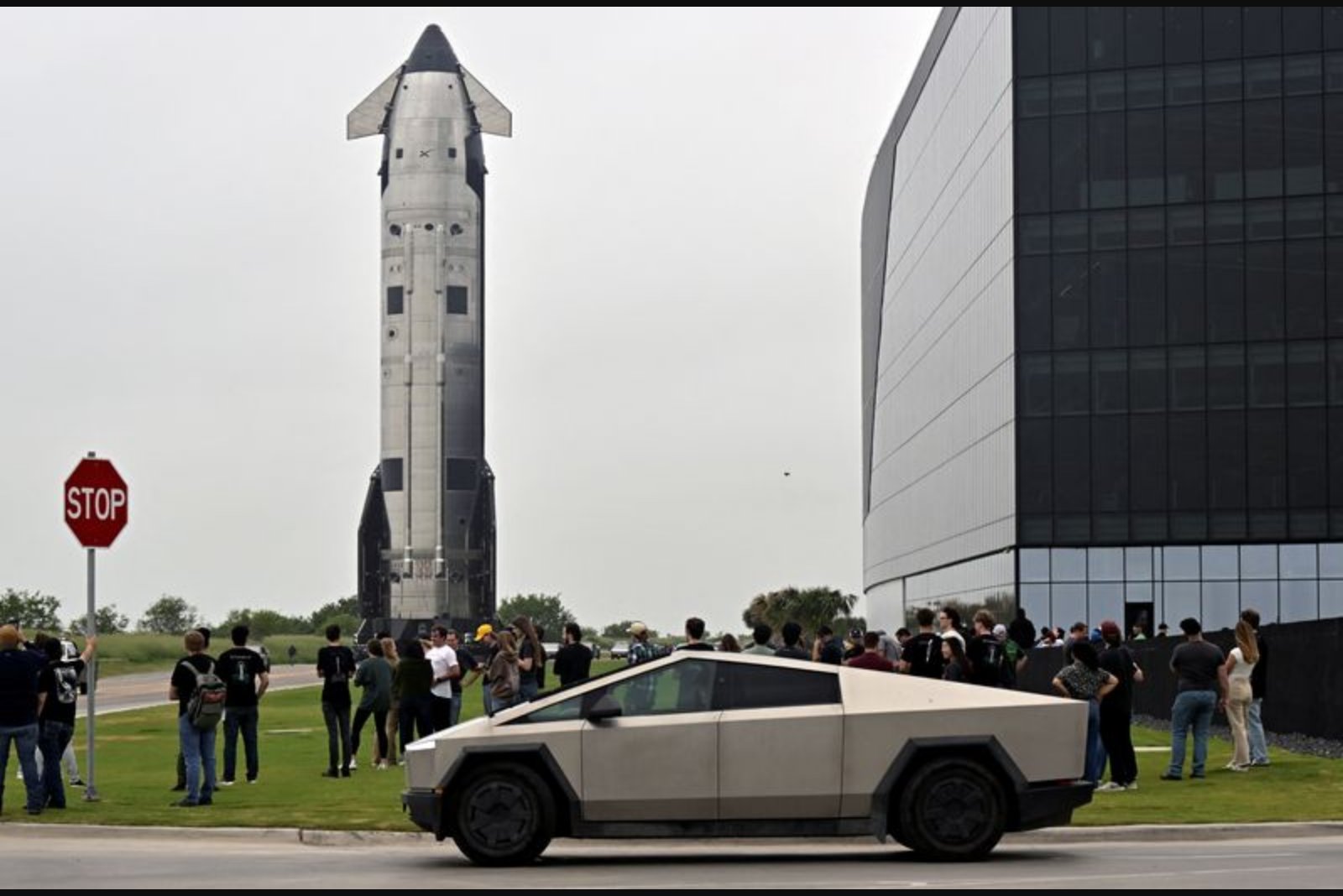
SpaceX is preparing to attempt the 12th uncrewed test flight of its Starship launch system on May 21. The mission will be the first to fly the newly configured Starship V3 and an upgraded Super Heavy booster from a purpose-built pad in South Texas. The full Starship stack is designed to be fully reusable and to carry both crew and cargo on missions Elon Musk has positioned as central to lunar and Martian ambitions. The flight also arrives as SpaceX advances plans for a U.S. market listing with a target valuation of $1.75 trillion.
Over a series of uncrewed tests since April 2023, SpaceX has pursued iterative improvements to the two-stage vehicle. The Starship system combines the Super Heavy booster with the Starship upper-stage vehicle. Across the program, flights have ranged from short-lived explosions to extended missions that achieved key demonstration objectives like high-speed atmospheric re-entry and the deployment of mock satellites.
A chronological account of prior test flights
- Test Flight 1 - April 20, 2023: The vehicle exploded minutes after liftoff from South Texas, failing to reach several mission objectives. The two-stage rocket climbed to just under 25 miles (40.23 km) and made it less than halfway to the edge of space. Despite that, the primary goal of getting the new vehicle off the launch pad was met, even though multiple engines failed.
- Test Flight 2 - November 18, 2023: Launch from Starbase near Boca Chica, Texas, ended in failure shortly after liftoff. The Super Heavy booster separated from the Starship core but exploded over the Gulf of Mexico soon after, and the upper stage was also lost later in the flight.
- Test Flight 3 - March 14, 2024: On its third attempt, Starship made it farther than before and nearly completed a full test flight. Contact with the vehicle was lost moments after live video showed a reddish glow from re-entry heating enveloping the silvery spacecraft, and the vehicle disintegrated on return.
- Test Flight 4 - June 6, 2024: Starship achieved a controlled splashdown in the Indian Ocean after surviving a hypersonic return from space. The descent damaged heat-shield tiles and torn-away pieces of metal, and steering flaps were badly damaged but continued to function long enough to enable the splashdown.
- Test Flight 5 - October 13, 2024: SpaceX’s launch tower successfully caught the Super Heavy booster during descent back to the Texas pad using giant mechanical arms. The catch was described as a breakthrough for the company’s campaign to develop a rocket capable of larger payloads and future crewed lunar missions.
- Test Flight 6 - November 19, 2024: The launch advanced upper-stage spaceflight capabilities. A planned tower catch at the launch site was called off while the Super Heavy booster was diverted and splashed down in the Gulf of Mexico, indicating the vehicle did not meet the conditions required for a catch attempt.
- Test Flight 7 - January 16, 2025: About eight minutes after liftoff, a Starship rocket exploded in space over the Bahamas, sending debris across the Turks and Caicos Islands. This flight included multiple new onboard features and carried the first set of mock satellites intended for deployment during the mission. The U.S. Federal Aviation Administration and officials from the Turks and Caicos Islands initiated probes into the test.
- Test Flight 8 - March 6, 2025: The Starship upper stage exploded in space minutes after launch from Texas. The incident prompted the Federal Aviation Administration to temporarily halt flights at airports in Miami, Fort Lauderdale, Palm Beach and Orlando due to concerns about space launch debris. The FAA opened a mishap investigation following the explosion. Elon Musk characterized the event as a minor setback.
- FAA Clearance - May 22: Following the March failure, the FAA cleared Starship to resume flights from Texas. As part of the resumption, the agency expanded the Aircraft Hazard Area along Starship’s flight path from 885 nautical miles to 1,600 nautical miles. The expanded corridor stretches east from the South Texas coast through the Straits of Florida and includes the Bahamas and Turks and Caicos Islands.
- Test Flight 9 - May 27, 2025: Starship lifted off but spun out of control about halfway through the flight, missing several major objectives. Contact with the 232-foot Super Heavy booster was lost during descent and it fell into the sea instead of the planned controlled splashdown. The Starship upper stage reached suborbital space but began spinning uncontrollably about 30 minutes into the flight. SpaceX canceled a planned deployment of eight mock Starlink satellites when the vehicle’s Pez dispenser-like mechanism failed to operate as intended.
- Test Flight 10 - August 26, 2025: The mission successfully deployed the first batch of mock Starlink satellites around 30 minutes into flight and tested new heat shield tiles during re-entry. These achievements marked progress on development milestones that had been delayed by earlier failures, and the Pez-like deployment system released eight dummy Starlink satellites as planned.
- Test Flight 11 - October 13, 2025: SpaceX launched its 11th Starship from Texas and achieved a soft splashdown for the Super Heavy booster in the Gulf of Mexico seven minutes after liftoff, while the Starship upper stage was sent into space. This flight was the final one before switching to a new vehicle version outfitted with additional features for moon and Mars missions.
What is expected for Test Flight 12
The upcoming, 12th test flight is slated to introduce Starship V3 paired with a revised Super Heavy booster. This flight will also be the first from a new launch pad constructed to support the more potent configuration. Among the principal changes is a redesign of the booster’s 33 Raptor engines to produce more thrust from a lighter engine design. The mission will evaluate whether these upgrades perform as intended in an integrated launch.
SpaceX has framed the Starship system as central to future crewed lunar landings and cargo transport to Mars, and the company has been iterating rapidly through test flights to validate systems and operations. The program has also been part of SpaceX’s preparations ahead of a planned U.S. market listing that targets a $1.75 trillion valuation.
Analysis summary
Across 11 prior flights, Starship has demonstrated a mixture of failures and breakthroughs: early explosions and loss of vehicles in flight, followed by advances such as a controlled splashdown, a tower catch of the booster, and successful deployments of mock satellites. The next flight will stress-test a set of hardware redesigns and operational changes, including a more powerful and lighter-engine booster architecture and a dedicated new pad for the larger configuration. The FAA’s expanded hazard corridor and its reopening of flight approvals following the March mishap indicate regulatory scrutiny remains an active factor in the program’s path forward.
The upcoming mission will be watched for how the new Starship V3 and Super Heavy perform together, whether the Pez-like deployment mechanisms and heat shield upgrades function as intended under flight conditions, and whether the program can sustain iterative progress while meeting regulatory conditions tied to flight safety and airspace considerations.