
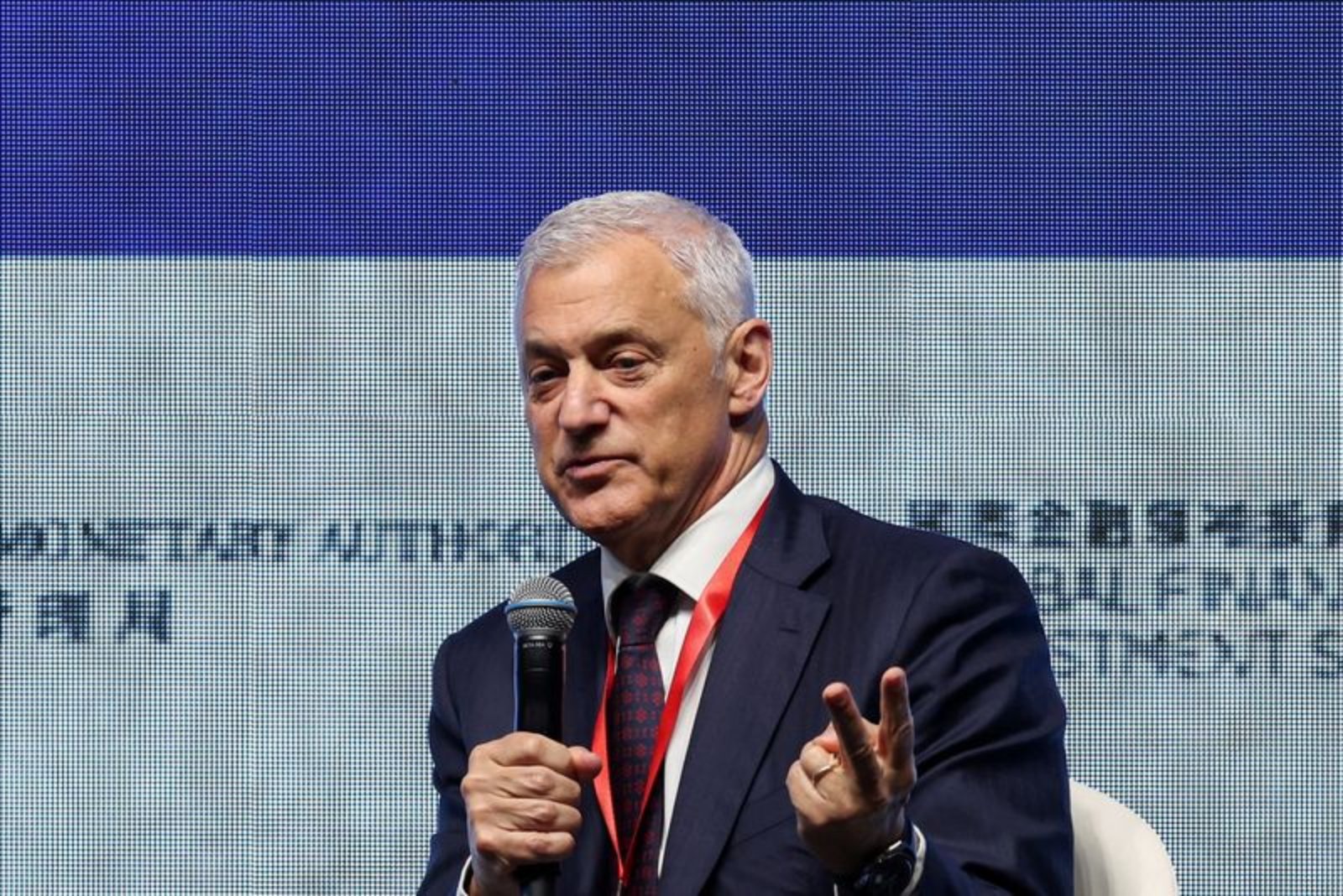
Standard Chartered CEO Bill Winters has apologised for distress caused among employees by comments he made linking artificial intelligence to the replacement of certain roles, but he did not withdraw those remarks.
In a LinkedIn post, Winters said he had been receiving questions about his phrasing and acknowledged that "which I know has caused upset to some colleagues. For that I am sorry." The apology followed an earlier clarification in which he repeated the substance of his remarks and set out why the bank is reducing parts of its support workforce.
During a briefing this week, as the lender unveiled plans to eliminate nearly 8,000 positions while pursuing AI technologies, Winters had said: "It’s not cost-cutting. It’s replacing in some cases lower-value human capital with the financial capital and the investment capital we’re putting in." That explanation was presented as the rationale for cutting about 15% of the bank's back-office support jobs.
In his latest online note, Winters included a transcript of his full comments. He said the transcript provided additional context and underscored that he values his colleagues "most highly." The post also contained his statement that the bank is "giving every opportunity" to employees at risk of redundancy who want to learn new skills.
The remarks have drawn external attention. Hong Kong and Singapore regulators have requested clarification from Standard Chartered about what Winters said, Bloomberg News reported on Thursday.
Background and management stance
Bank executives have recently been more direct about the job reductions they anticipate as AI automates routine processes, after a period of emphasising productivity gains without explicitly linking them to headcount cuts. Standard Chartered's public comments reflect that shift, with management framing the changes as a reallocation of capital toward AI investment rather than straightforward cost-cutting.
Employee support and communication
Winters' inclusion of the full transcript and his apology signal an effort to address internal concern while maintaining the bank's stated strategy. He highlighted training opportunities for employees identified as at risk, though the company has not provided further detail in these remarks about the scope or timing of reskilling programmes.
Regulatory scrutiny
The fact that authorities in Hong Kong and Singapore have sought clarification introduces a regulatory dimension to the issue. The requests for information relate specifically to Winters' public remarks and the bank's staffing plans tied to AI deployment.
This account is based on the bank's public statements and the comments included in Winters' posts; no additional information about timelines, programme specifics or regulatory outcomes was provided in those statements.