
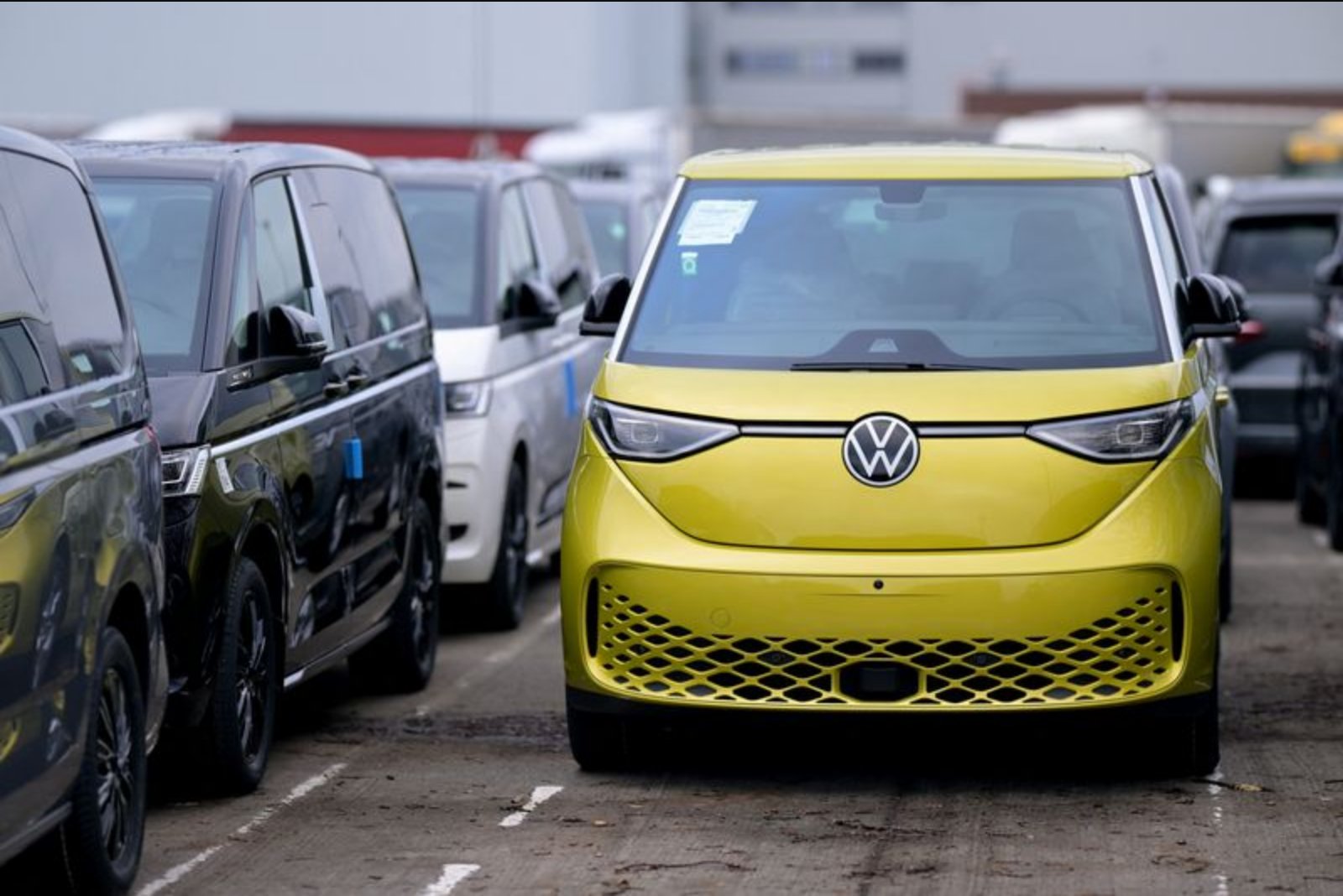
Rising international oil prices tied to recent strikes on Iran have prompted a sharp shift in consumer behaviour across Europe, with both new and used electric vehicle (EV) purchases climbing markedly, industry data and automaker comments show.
Research group New Automotive and industry association E-Mobility Europe supplied data showing registrations of new EVs increased 34% year-on-year in April. The dataset covers 16 markets that together account for more than 80% of car sales in the European Union and the European Free Trade Association. April figures are the first full monthly registrations to capture the impact of the Iran conflict on buyers.
International oil prices moved to well above $100 a barrel after U.S. and Israeli airstrikes on Iran at the end of February, creating what several industry figures described as a structural change in how households weigh the costs of vehicle ownership. "This isn’t a blip, it’s an inflection point," said Gurjeet Grewal, CEO of UK-based Octopus Electric Vehicles. The company logged a 95% year-on-year increase in demand for new EVs in April and a 160% rise in interest for used EVs over the same month.
Britain, a net energy importer, has felt amplified effects from the jump in fuel costs, with higher inflation and rising food prices compounding consumers’ sensitivity to petrol and diesel prices. Several automakers reported stronger order books and rising website enquiries since the conflict escalated.
Volvo Cars’ Chief Commercial Officer Erik Severinson said the Swedish automaker has seen an uptick in orders, notably for its entry-level EX30 electric SUV, where buyers are particularly sensitive to fuel-price pressures. "We are also seeing increased customer enquiries in our fully-electric cars even in southern European markets where EV penetration is comparatively lower," Severinson said.
Renault reported that half of its registrations in Britain in April were for EVs, and said EV-related enquiries on its UK website have climbed 48% since the Iran hostilities began. Adam Wood, Renault UK managing director, described the change in interest as dramatic: "Interest in Renault’s EV range has undergone a seismic shift." A source at the company, speaking on condition of anonymity, said Renault was working to raise production.
From the Volkswagen group, Markus Haupt, CEO of Seat/Cupra, said in early May his German sales team had reported EVs accounting for nearly 60% of orders - well above an internal quota of 25%. "We have a production budget for this year," Haupt said. "But maybe we’ll need to increase the amount of EVs." Several major carmakers including Volkswagen and Stellantis have, over the last year, taken multi-billion-dollar charges to write down assets after anticipating higher EV demand than materialised.
Online car marketplaces also recorded notable shifts. German platform Carwow said its share of EV enquiries rose to 75% from about 40%, while interest in conventional gasoline models fell to 16% from 33% since the conflict began. Carwow highlighted strong momentum for Chinese manufacturers, noting that BYD moved from being a niche marque to one of the most searched brands. On Carwow’s site, purchase inquiries for BYD grew by 25,000% in the first quarter, Leapmotor inquiries increased 436%, and Xpeng rose 153%.
Rival marketplace OLX reported that customer enquiries for EVs on its French site were up 80% since the onset of the conflict. Christian Gisy, OLX CEO, said the events in Iran had altered Europeans’ daily calculus about energy. "The Iran conflict has fundamentally reshaped how people think about energy security in their daily lives," Gisy said. "Europeans have shifted from 'maybe someday' to 'right now' on electric vehicles."
Growth was strongest in countries where EVs were already popular, such as Denmark and the Netherlands, but data also showed rising uptake in markets that had lagged previously, including Italy. The shift has been visible both in new-vehicle registrations and in the market for used EVs.
Industry participants cautioned that past spikes in fuel costs have prompted consumers to temporarily favour more fuel-efficient cars before returning to less efficient vehicles when pump prices eased. The current wave of interest, however, has prompted manufacturers and marketplaces to examine whether demand will sustain long enough to justify adjusting production plans and inventories.
Automakers and online platforms alike are watching order volumes and enquiry rates closely as they consider production tweaks to meet higher EV demand. Some manufacturers have publicly acknowledged rising orders and increased website traffic, while sources within car companies said capacity decisions are under review.
For the auto sector, the demand surge provides relief after a period of lower-than-expected EV adoption that prompted write-downs. For energy-importing economies, sustained high oil prices could continue to influence consumer vehicle choices and broader inflation dynamics. The industry remains attentive to whether the recent spike will translate into a durable change in vehicle preferences or whether it will ease once energy markets stabilise.