
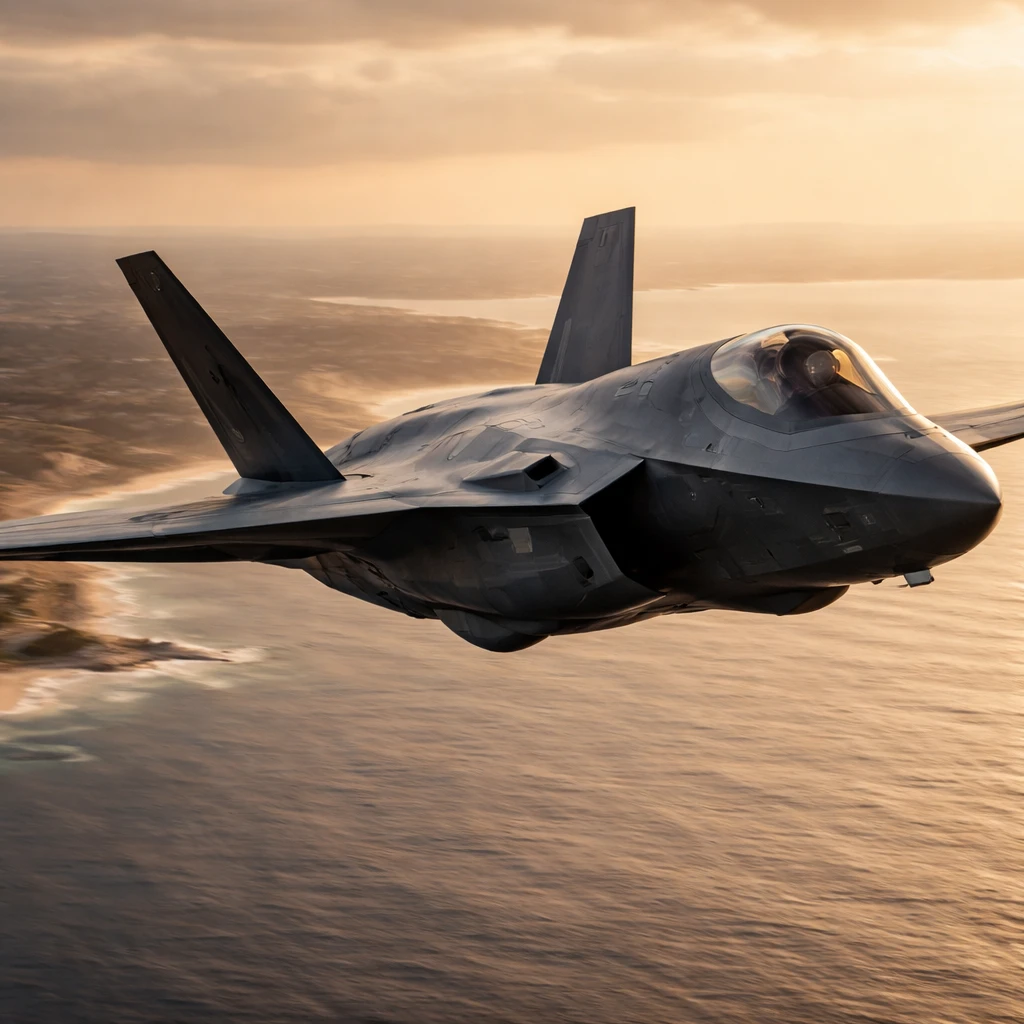
S&P Global Ratings revised its outlook on Lockheed Martin Corp. to positive from stable, while keeping the company's long-term issuer credit rating at A-, its short-term issuer credit rating at A-2, and its issue-level ratings on unsecured debt at A-. The change reflects what S&P describes as improving credit metrics supported by elevated demand for defense products.
The ratings firm expects Lockheed Martin (NYSE:LMT) to sustain net leverage below 2x and for funds from operations (FFO) to debt to remain above 45%. Those metrics, S&P says, will be underpinned by continued revenue growth and resilient cash generation as key defense programs ramp.
S&P projects revenue growth of 4% to 5% in both 2026 and 2027. The firm identifies several programs contributing to that expansion, including the F-35 fighter program; precision munitions such as PAC-3; the Terminal High Altitude Area Defense - THAAD - missile defense systems; Sikorsky heavy helicopters; and systems for the Space Development Agency. S&P also highlights Lockheed's order backlog at approximately $186 billion, which it notes equates to roughly two years of revenue.
On the policy side, the U.S. 2027 budget proposal includes a near $1.5 trillion request for defense, which S&P describes as about 44% higher than the 2026 request. Lockheed has entered multiyear agreements intended to boost supply of precision munitions and interceptors, and plans to increase production substantially - including plans to triple or quadruple output of Precision Strike Missiles, PAC-3, and THAAD.
S&P expects Lockheed's capital expenditures to rise to roughly 3% to 4% of sales in 2026 and 2027, compared with 2.2% in 2025. The firm also forecasts free operating cash flow of at least $6.5 billion in 2026 and projects that debt to EBITDA will remain under 2x, with FFO to debt around 45% in 2026 and 47% in 2027.
In addition to balance-sheet guidance, S&P says it anticipates Lockheed will avoid share repurchases for at least the remainder of this year. That expectation follows a January 2026 executive order from the Trump administration criticizing defense companies for putting shareholder buybacks ahead of other priorities. Lockheed continues to distribute annual dividends totaling roughly $3 billion.
S&P notes possible future adjustments to the rating outlook. The agency could raise Lockheed's rating within the next 12 to 24 months if it becomes comfortable that debt to EBITDA will remain well below 2x and that FFO to debt will consistently stay well above 45%. Conversely, the outlook could revert to stable if the company experiences declining earnings or cash flow driven by operational challenges, if shareholder returns rise beyond current expectations, or if Lockheed undertakes large, debt-funded acquisitions.
Contextual note: S&P's assessment emphasizes credit metric stability and program-driven revenue underpinned by a substantial backlog and government defense spending assumptions. The ratings agency's view centers on cash flow durability and balance sheet strength as determinants of future rating moves.