
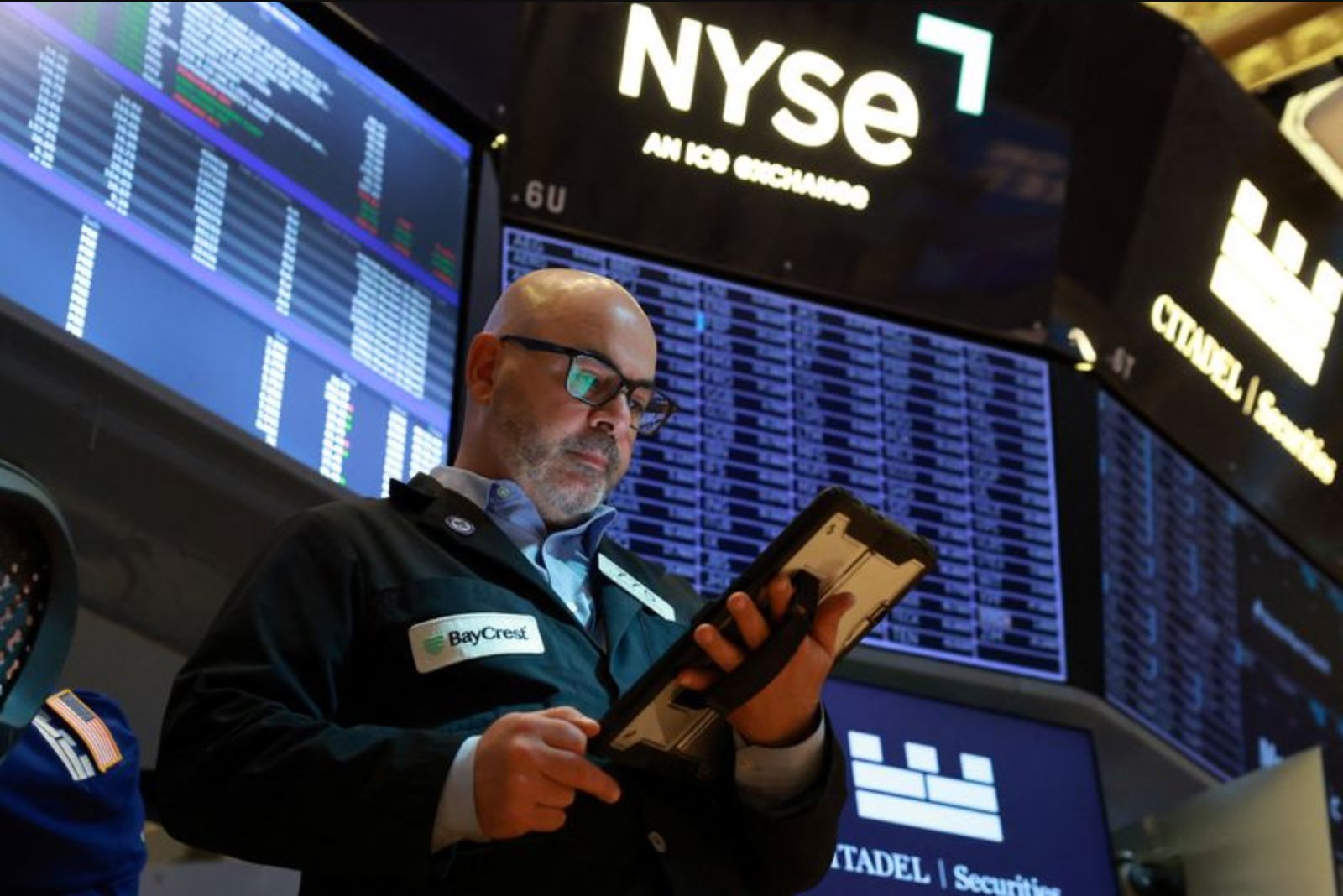
U.S. stock benchmarks continued their advance on Tuesday, with the S&P 500 setting a new record closing level and the Nasdaq Composite posting further gains as enthusiasm over artificial intelligence lifted semiconductor names.
Micron Technology was a standout, rallying sharply after UBS raised its price target on the stock to $1,625 from $535, a move that coincided with the memory-chip maker reaching $1 trillion in market value for the first time. Broad strength among chipmakers underpinned gains across technology sectors as investors focused on the implications of AI-driven demand.
Market participants also weighed developments in the Middle East and comments from U.S. officials. U.S. strikes on Iran heightened concern about regional instability and helped push Brent crude futures higher by roughly 4% on the session, reflecting added uncertainty about shipping through the Strait of Hormuz. At the same time, remarks by U.S. Secretary of State Marco Rubio suggesting a deal with Tehran to halt the conflict could "take a few days" offered some comfort to traders.
According to preliminary data, the S&P 500 gained 46.00 points, or 0.62%, to finish at 7,519.47, while the Nasdaq Composite rose 311.92 points, or 1.18%, to close at 26,655.89. The Dow Jones Industrial Average slipped 106.60 points, or 0.21%, to 50,473.10. The S&P 500, Nasdaq and the Russell 2000 all reached intraday record highs during the trading day, underscoring the breadth of the recent rally.
Market commentary reflected a combination of optimism and caution. "For those of us that have been working that long, the tech rallies we’ve been seeing this year are reminiscent of the boom at the end of the 1990s," said Chris Zaccarelli, chief investment officer for Northlight Asset Management. He added that lessons learned after the late-1990s tech bubble could help prevent a repeat of that episode. Adam Sarhan, chief executive of 50 Park Investments, noted that despite the conflict not being resolved, there is a "very high likelihood the situation will resolve itself in a peaceful fashion sooner rather than later," and he pointed to expectations for earnings growth even with elevated inflation.
Semiconductor sector measures reflected the market's focus on chipmakers. The Philadelphia SE Semiconductor Index hit an all-time high, and stocks such as Qualcomm and Marvell Technology moved higher. Qualcomm rallied after Bloomberg News reported it had reached a deal with TikTok owner ByteDance to supply chips, while Marvell finished the day up as well.
With earnings season winding down, consensus estimates for first-quarter earnings growth have been revised higher. Preliminary LSEG data from Friday showed expected first-quarter earnings growth of 29% year-on-year, up from a 16.1% estimate a month earlier. That upward revision has supported investor confidence in corporate results amid a broader market advance.
Investor attention has also begun to turn toward potential initial public offerings from some of the largest private companies focused on AI, with SpaceX among the firms cited as drawing market interest. The prospect of new, large listings in the AI ecosystem contributes to the backdrop of demand for technology exposure.
Despite the rally, energy-market developments remain a source of uncertainty. Iran’s Tasnim news agency reported Tehran was seeking the release of $24 billion of Iranian funds frozen overseas, a detail that intersects with diplomatic and financial considerations affecting markets. Brent's climb after U.S. strikes underscores the sensitivity of energy markets to geopolitical developments.
Overall, investors balanced optimism about AI-driven revenue growth for tech and semiconductor companies against the near-term geopolitical risks that have pushed oil prices higher. The market's record highs reflect strong sectoral gains and upward revisions to earnings expectations, even as geopolitical volatility and the trajectory of peace talks remain key uncertainties for the coming days.