
Stock Markets May 20, 2026 06:05 AM

Singapore Proposes Consumer-Facing 'Nutrition Labels' for AI Tools in Talks with Tech Firms

Government explores voluntary labeling framework, testing and accreditation to clarify AI product uses and limits while hosting major AI lab investments

By Marcus Reed GOOGL

Singapore is engaging technology companies on the idea of attaching consumer-facing 'nutrition labels' to AI-enabled products that would state intended uses and limitations. The initiative, initially envisaged as a voluntary framework, would be paired with testing protocols and accreditation to evaluate AI offerings as the city-state bolsters its AI ecosystem through lab partnerships and investments.

Singapore Proposes Consumer-Facing 'Nutrition Labels' for AI Tools in Talks with Tech Firms
GOOGL

Key Points

  • Singapore is discussing consumer 'nutrition labels' for AI products that would describe intended uses and limits, starting with a voluntary framework.
  • The government is developing testing frameworks and accreditation to assess AI offerings while supporting 10,000 firms to adopt AI across manufacturing, healthcare and finance.
  • Singapore is strengthening its AI ecosystem through major lab investments, including OpenAI’s Applied AI Lab outside the U.S. with over $234 million in investment, and a Google DeepMind partnership on education, healthcare and scientific research.

SINGAPORE, May 20 - Singapore officials are in discussions with technology companies about adding consumer-facing "nutrition labels" to products that incorporate artificial intelligence, a senior minister said on Wednesday.

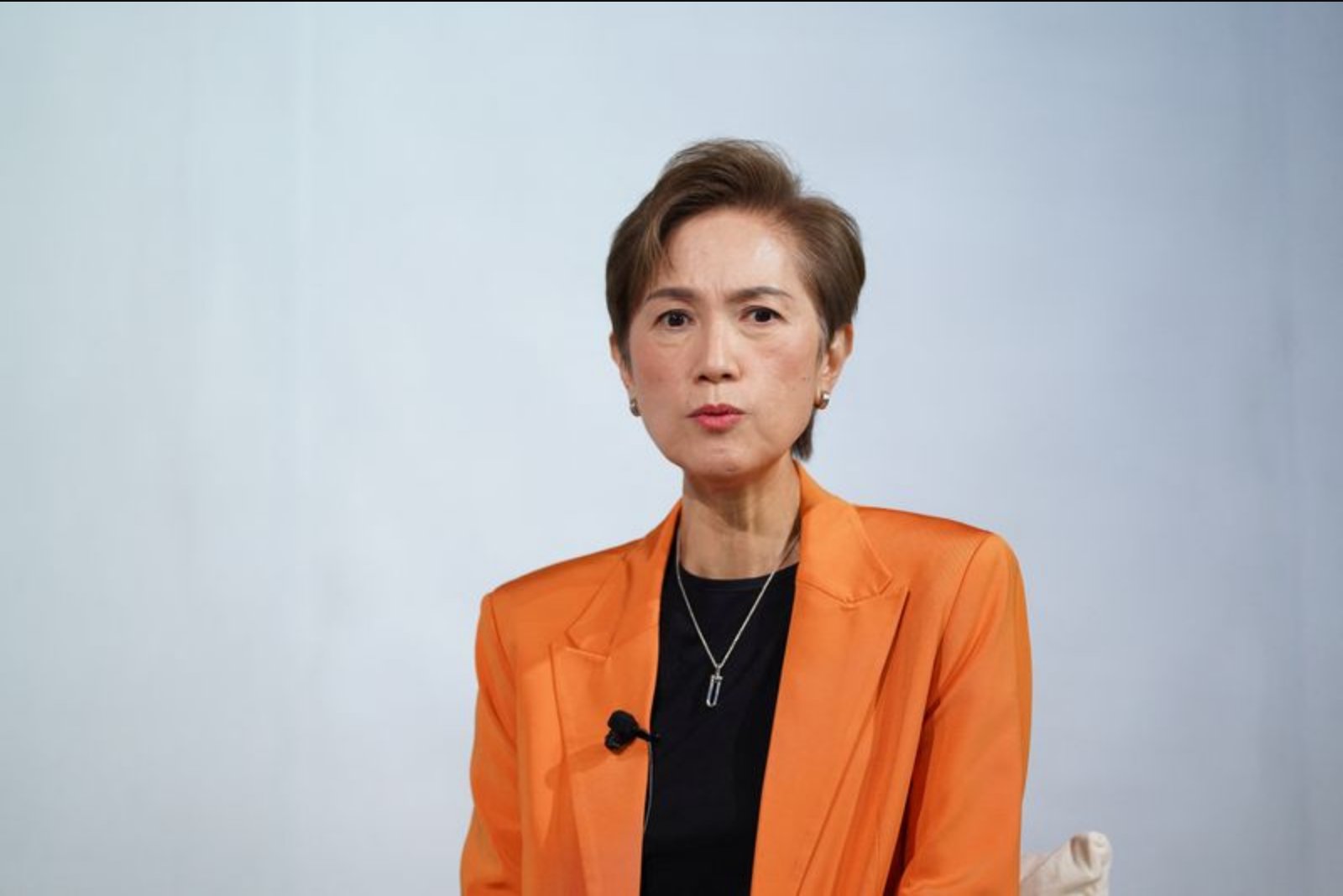
Digital development and information minister Josephine Teo said the labels would spell out intended uses and limitations for AI-enabled consumer applications, drawing an analogy to labeling used for food or medicine. "We may start with a voluntary framework, and then in time ... we’ll see how effective these kinds of labels are before deciding to take the next step," she said in an interview.

The proposed labels would aim to indicate the "right ways" and "not-so-correct ways" of using AI, according to Teo. She described the idea as potentially a global first if implemented, and said Singapore is also building testing frameworks and accrediting organisations to assess AI products.

Teo made the remarks on the sidelines of the Asia Tech x Singapore Summit. She said the government intends to support wider AI adoption, setting a target to assist 10,000 firms as usage expands across manufacturing, healthcare and finance.

Singapore has positioned itself as a neutral hub for AI activity, drawing interest from startups and larger firms from both the United States and China. On the same day, it was announced that Singapore will host OpenAI’s first Applied AI Lab outside the United States, backed by an investment of more than $234 million.

Separately, Google DeepMind unveiled a partnership with Singapore that covers education, healthcare and scientific research, following the opening of a new AI lab in the city-state in November.

Teo highlighted Singapore’s strengths that she considers relevant to building an AI hub, noting the country’s semiconductor equipment manufacturing sector, which supplies about 20% of global output. She added that the state is investing in research on energy-efficient AI at both the chip and algorithm levels to address power constraints.

The minister spoke ahead of planned discussions she will hold with digital ministers from other ASEAN member states and with U.S. Under Secretary of State for Economic Affairs Jacob Helberg. Representatives from China are also attending the summit, which Teo described as a rare forum where policymakers from both the United States and China regularly meet.

($1 = 1.2810 Singapore dollars)

Risks

  • Uncertainty over the effectiveness of a voluntary labeling framework - regulatory and consumer protection impacts on technology and consumer sectors could depend on uptake and enforcement.
  • Power constraints for AI deployments - energy-efficient research at chip and algorithm levels is needed to mitigate operational limits that affect data centers, semiconductor and technology sectors.
  • Diplomatic and market balancing challenges - hosting firms and dialogues involving both U.S. and Chinese participants may pose complexity for Singapore’s position as a neutral AI hub, relevant to international tech collaborations and investment flows.

More from Stock Markets

S&P Global Upholds Fast-Entry Rules Ahead of SpaceX Public Debut Jun 4, 2026 Insperity Shares Climb After CEO Buys 233,000 Shares Jun 4, 2026 SpaceX Signals Firmness on $135 IPO Price as Roadshow Begins Jun 4, 2026 CME Chief Warns CFTC Approval of Perpetual Crypto Futures Could Create Systemic Risk Jun 4, 2026 AmperCap Raises $125 Million in NASDAQ Listing as It Targets U.S.-Mexico Middle-Market Deals Jun 4, 2026