
Unionised workers at Samsung Electronics have voted in favour of a government-mediated bonus package that halts a planned 18-day strike but increases the disparity in compensation across the conglomerate.
Two unions representing employees at the world’s largest memory chip manufacturer said 74% of the 62,616 workers who cast ballots supported the deal. The agreement, reached after a bitter five-month dispute, prompted a sharp market reaction: Samsung shares surged 6%, with gains also supported by investor enthusiasm around the AI-driven rally that has lifted chip sector stocks.
The pact drew broad relief in South Korea, where Samsung accounts for roughly a quarter of exports. Negotiators framed the deal as a way to avert prolonged work stoppage and its immediate economic fallout, but the structure of the pay package concentrates the biggest awards in the memory chip business - the division that has experienced strong profit growth amid large global investments linked to artificial intelligence.
Under the terms agreed, all chip workers will receive a regular cash bonus equal to 50% of their annual salary. In addition, Samsung will allocate 10.5% of the chip division’s operating profit for special bonuses, to be paid in company stock. Those stocks will vest in three tranches - a third immediately tradable, a third after one year and the remainder after two years - subject to Samsung meeting specified profit milestones.
Payouts are contingent on the company achieving more than 200 trillion won in annual operating profit from 2026 through 2028, and at least 100 trillion won annually from 2029 through 2035. This year, Samsung’s annual profit is forecast to reach 300 trillion won, or about $200 billion, representing its highest-ever level and far exceeding the previous record of 58.9 trillion won set in 2018. ($1 = 1,501.7400 won)
The distribution of rewards is uneven. Employees in the memory chip division are positioned to gain the most, with some individuals in that unit set to receive bonuses of around $416,000 this year. Workers in other chip units will see smaller, though still meaningful, payouts. By contrast, staff in the consumer electronics divisions are slated to receive very modest bonuses in comparison.
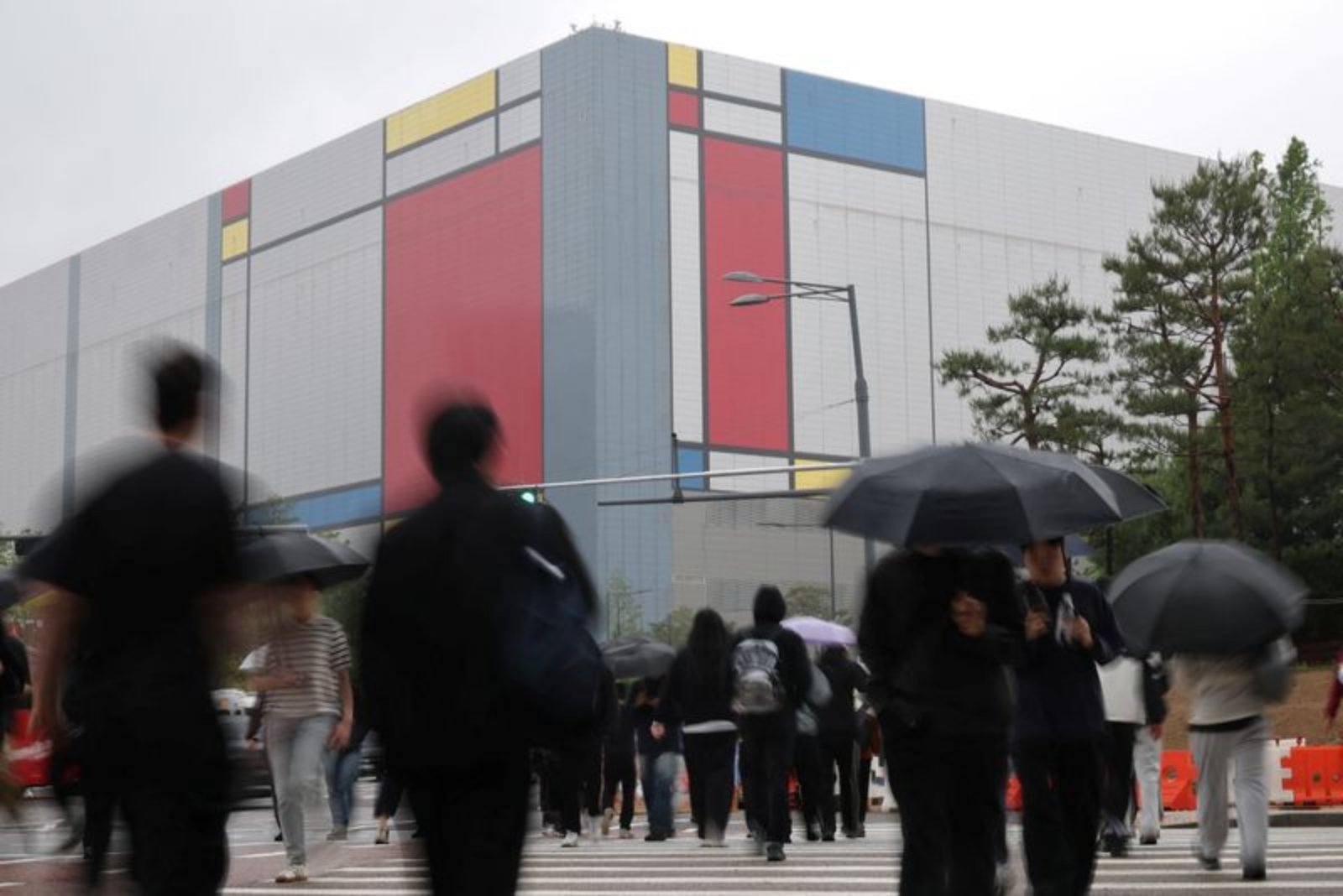
The payoff structure and the resulting internal inequalities have had an emotional and morale impact. One chip foundry worker in Pyeongtaek, declining to be identified, described the workplace mood as "pretty gloomy" with many employees feeling demotivated despite larger paychecks. The worker characterised the situation as ironic - being depressed despite receiving more money.
Market reaction was amplified by sector momentum tied to artificial intelligence, which has driven higher valuations across chipmakers. The unions' announcement and the avoidance of a multi-week strike removed a near-term operational risk, while the profit-conditioned stock bonuses link future worker rewards to the company's ability to sustain elevated operating income over multiple years.
Context and mechanics of the deal
- Regular cash bonus: 50% of annual salary for all chip workers.
- Special stock bonuses: 10.5% of chip division operating profit allocated to stock awards, with vesting in three stages - immediate, one year, and two years.
- Profit conditions: more than 200 trillion won in annual operating profit from 2026-2028; 100 trillion won annually from 2029-2035.
The settlement brings short-term stability and averted lost production that would have accompanied an 18-day strike. At the same time, it formalises a reward framework closely tied to the chip division’s financial performance and sets differing outcomes across Samsung’s business units.
Implications for markets and the company
The approval of the bonus package and the associated stock awards were interpreted by investors as supportive for Samsung’s near-term outlook, contributing to the share price lift. For employees, the deal represents a significant cash and equity transfer to those in chip operations, especially memory chip staff, while creating visible pay contrasts with other divisions.