
What happened
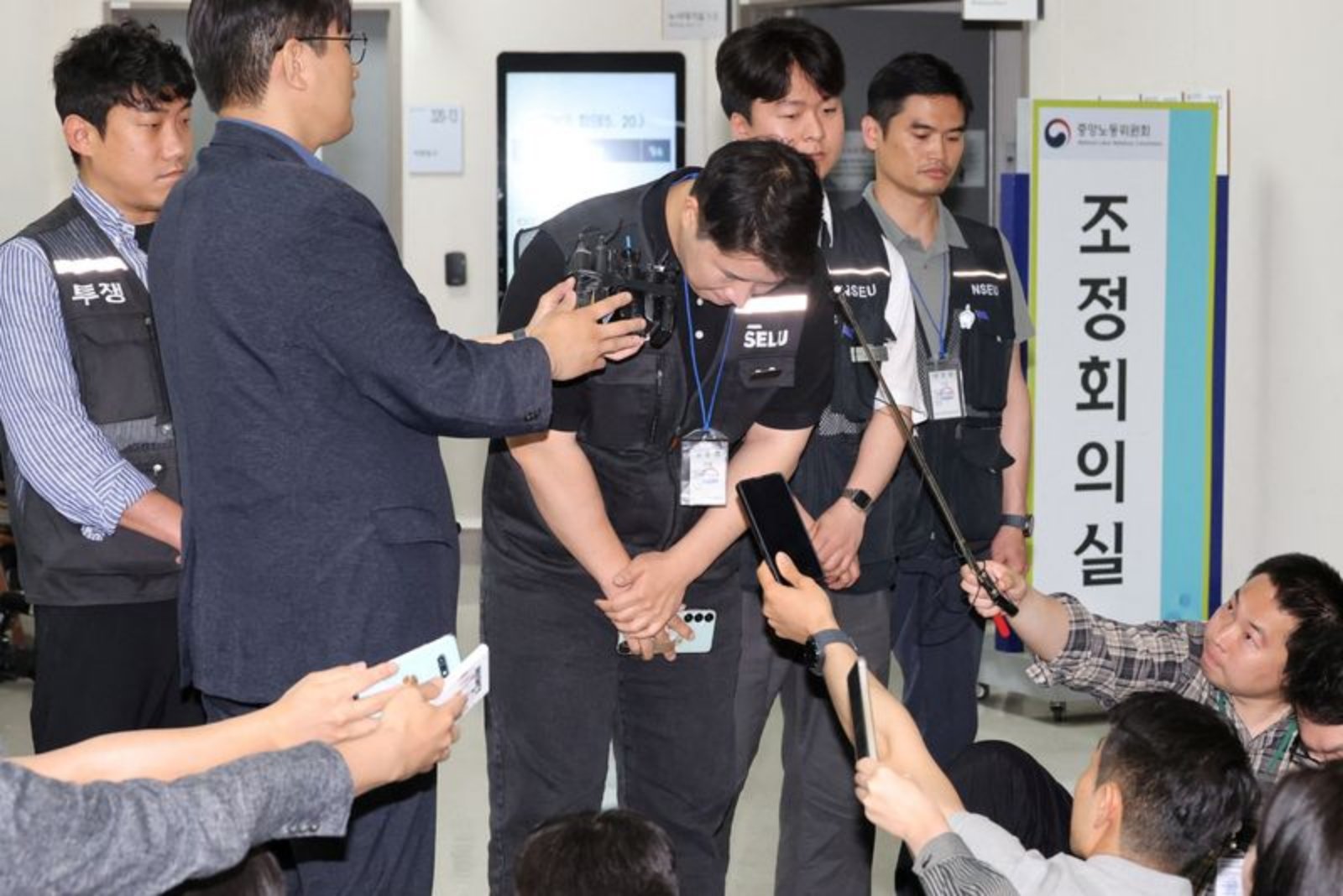
A Samsung Electronics union that represents workers in the company’s consumer electronics units has asked a South Korean court to prevent a scheduled vote on a recently negotiated pay agreement, saying it was denied the right to participate. The legal filing was announced on Tuesday after the union said it had been told it could not join the ratification process for the deal, which was mediated by the government and reached last week.
Context and the bargaining process
The government-mediated settlement averted an 18-day strike that would have involved 48,000 workers. The agreement allocates particularly large bonuses to staff in Samsung’s memory chip division - a part of the business that has benefited from a surge in profits tied to demand for artificial intelligence-related components.
Balloting among unionised employees began on Friday and is scheduled to finish on Wednesday morning. The Samsung Electronics Co Union (SECU), which counts roughly 13,000 members drawn mainly from smartphone, TV and home-appliance operations, said it left the negotiating team before the final agreement was struck and later sought the court injunction after being informed it could not participate in the vote.
How the vote works
The union leading negotiations, the Samsung Electronics Labor Union (SELU), reported on Tuesday that more than 90% of its 57,290 eligible members had cast their ballots. The union did not disclose how those ballots were cast. For the agreement to be approved under the rules in place, it requires a simple majority of eligible unionised members to vote in favour and a majority of those eligible members to take part in the vote; if those thresholds are not met, talks would have to be restarted from the beginning.
A separate group, the National Samsung Electronics Union (NSEU), which has also expressed dissatisfaction with the terms, has said it will boycott the vote, according to a Yonhap report. The NSEU’s website lists around 20,000 members and includes workers from both chip and non-chip operations.
Breakdown of bonuses
The settlement privileges certain chip workers. Some memory chip employees are set to receive total bonuses of about $416,000 this year, according to the figures presented as part of the deal. Workers in Samsung’s foundry and logic chip design units would receive smaller, though still material, bonus payments, while employees in divisions such as smartphones and home appliances are slated to receive still smaller amounts.
Legal threats and market reaction
Beyond union litigation, a small group of individual shareholders has announced plans to sue if union members ratify the deal. Those shareholders contend parts of the agreement may be unlawful unless the terms receive shareholder approval.
On market floors, Samsung’s shares were reported up 2.7% in morning trade on the day of the report and the stock had gained nearly 9% since the deal was reached last week. That performance was noted as lagging a roughly 19% rise for rival SK Hynix over the same span.
Why this matters
The dispute underscores internal company tensions about how to allocate outsized gains from the AI-driven demand for memory chips. It also creates potential legal and procedural hurdles that could delay or overturn the negotiated settlement, depending on the outcome of court action and any subsequent shareholder litigation.
Note: This account is limited to the information contained in the negotiated agreement, union statements, and market movements reported during the voting period. If vote thresholds are not met, negotiations would need to restart.