
Overview
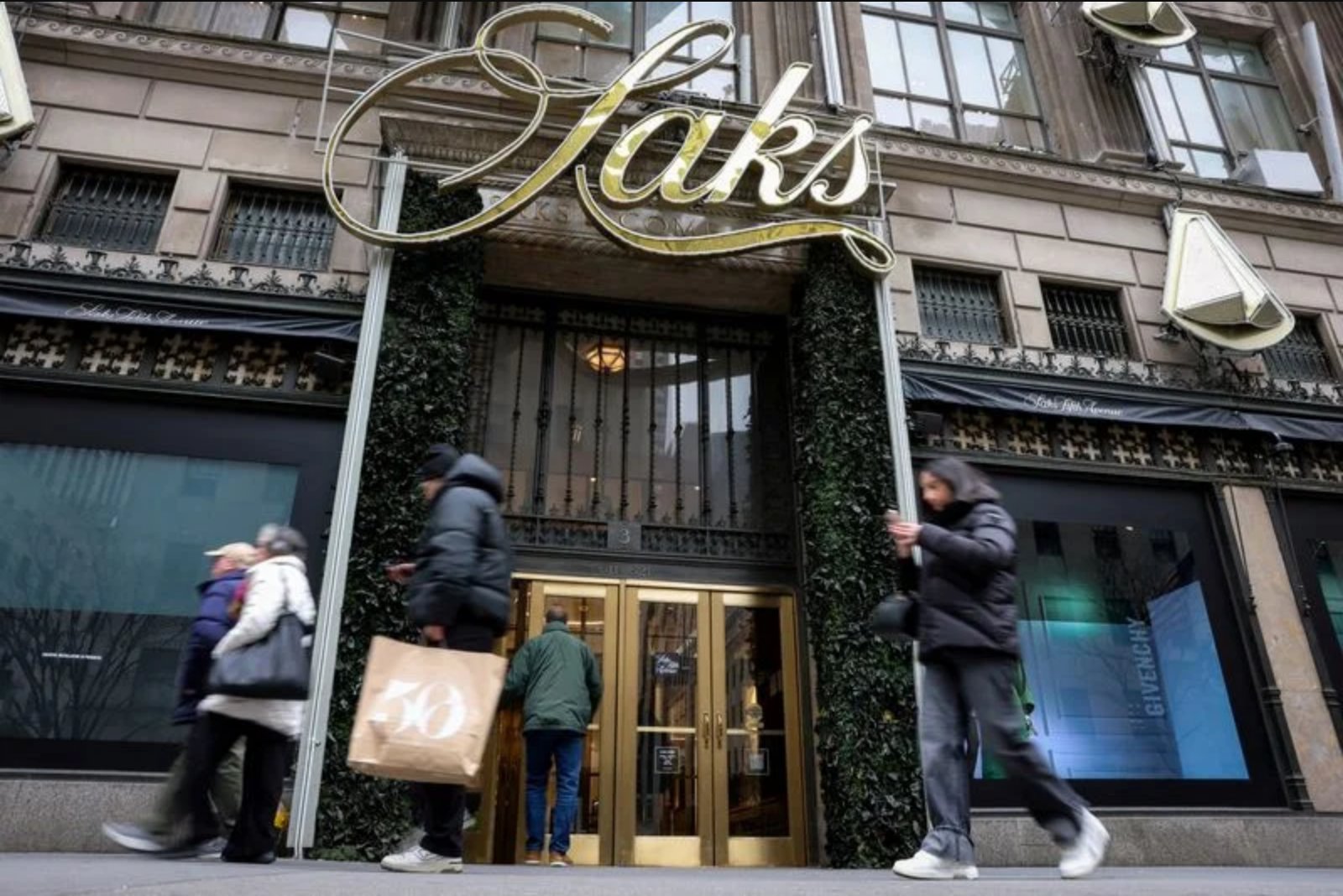
A federal judge has signed off on Saks Global's Chapter 11 reorganization plan, authorizing the luxury retailer to leave bankruptcy with a smaller physical footprint and a materially reduced debt load. The approval came at a court hearing in Houston, Texas, where U.S. Bankruptcy Judge Alfredo Perez said the company had done an "extraordinary" job stabilizing its business after a difficult start to its bankruptcy proceedings in January.
Terms of the restructuring
Under the approved plan, Saks Global will eliminate most of its pre-petition debt and emerge as a leaner operation. The company will consolidate to 49 luxury retail locations overall: 33 Neiman Marcus stores, 15 Saks Fifth Avenue stores and Bergdorf Goodman. Prior to filing for bankruptcy, Saks Global had been operating 33 Saks Fifth Avenue locations.
The restructuring package requires senior lenders to provide $1 billion in new financing during the Chapter 11 process and to pledge an additional $500 million in funding after the company exits bankruptcy. In exchange, those senior lenders will assume control of the reorganized company, effectively wiping out existing equity.
Creditor arrangements
To secure the support of junior creditors, Saks Global agreed to create a litigation trust with $20 million in initial funding. That trust is intended to pursue legal claims that could generate recoveries for creditors. Court filings indicate the junior creditors are collectively owed about $1.5 billion and would likely receive no recovery without the litigation trust.
Backdrop to the filing
Saks Global filed for Chapter 11 protection on January 13, listing $3.4 billion in debt. The company attributed its liquidity shortfalls to problems stemming from its merger with Neiman Marcus, which constrained its ability to consistently restock inventory and strained relationships with major luxury vendors.
Operational changes
During its time in Chapter 11, Saks Global used the process to repair vendor relationships, close off-price retail formats and reduce its department store presence, including shuttering more than half of its Saks Fifth Avenue locations. The approved plan formalizes that smaller operating footprint as the company prepares to exit bankruptcy under new lender control.
Key developments at a glance
- Judge Alfredo Perez approved Saks Global’s Chapter 11 plan in Houston, calling the company’s recovery work "extraordinary."
- Senior lenders will provide $1 billion in new financing and pledge an additional $500 million post-emergence, while taking control of the reorganized company.
- A $20 million-funded litigation trust was established to pursue claims on behalf of junior creditors owed about $1.5 billion.