
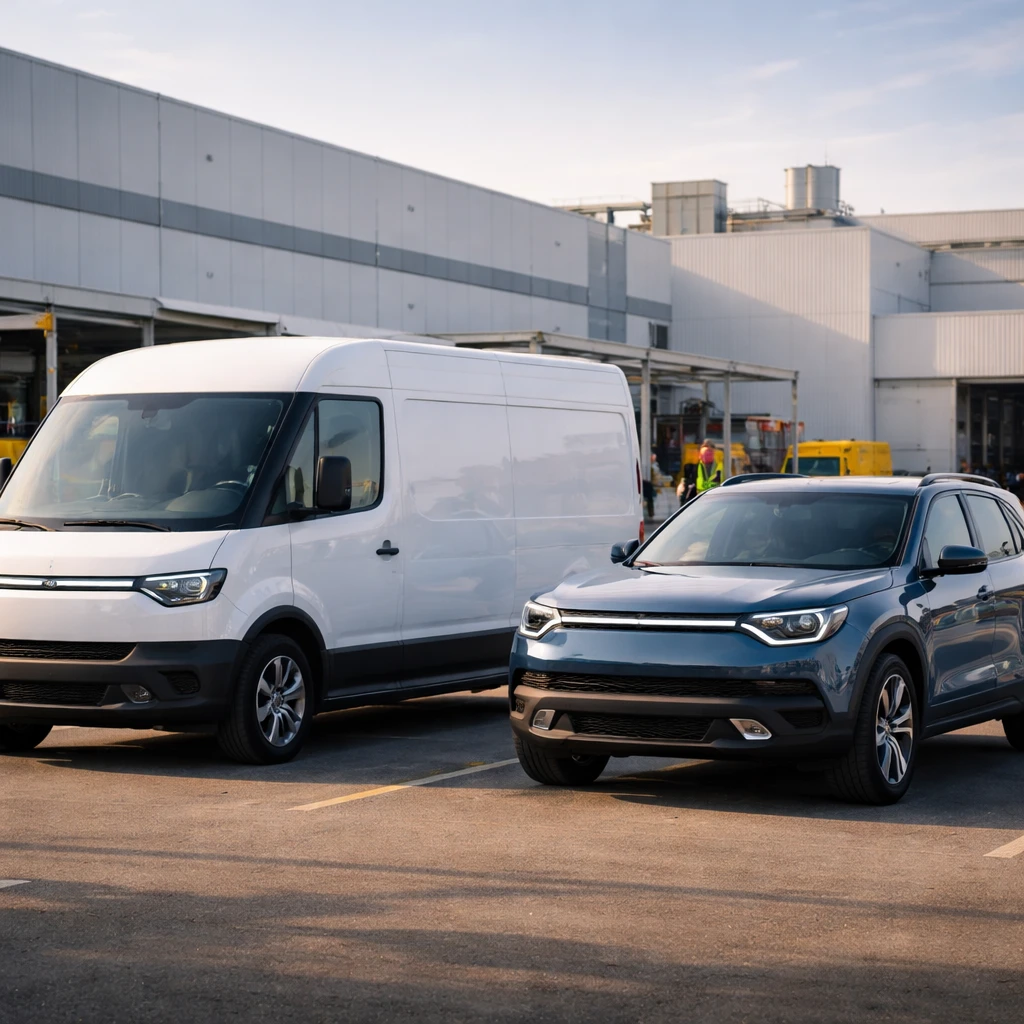
Rivian Automotive has raised its full-year delivery projection for 2026, citing continued appetite for its electric delivery vans and R1 passenger vehicles, along with initial contributions from the recently launched R2 model.
The Irvine, California-based EV maker now anticipates delivering between 65,000 and 70,000 vehicles in 2026, an upward revision from its prior guidance of 62,000 to 67,000. Visible Alpha polled 15 analysts who estimate Rivian will deliver 63,138 vehicles this year.
Market reaction to the company’s second-quarter report was positive. Rivian shares climbed more than 5% in early trading after the firm disclosed Q2 deliveries that exceeded analyst expectations.
Rivian delivered 12,194 vehicles during the second quarter, representing an increase of over 14% versus the comparable period and surpassing the Visible Alpha estimate of 10,518. Management attributed the sequential improvement to demand for its commercial delivery vans and R1 family, as well as production and initial sales of the R2 SUVs.
To achieve the midpoint of its revised full-year target, Rivian will need to deliver roughly 45,000 additional vehicles in the second half of 2026. That pacing requirement highlights the scale of the ramp the company must sustain through the remainder of the year.
The R2 SUV entered production in April and is positioned as a lower-cost model intended to address affordability pressures that emerged after the expiration of federal EV tax credits last year. The smaller R2 is central to Rivian’s growth strategy and the company has framed it as a direct competitor to Tesla’s Model Y.
Rivian’s longer-term plans include a strategic commercial partnership announced in March with Uber. Under that arrangement, Uber committed to invest up to $1.25 billion in Rivian and to deploy 10,000 fully autonomous R2 SUVs as robotaxis beginning in 2028.
Implications for markets and sectors
- Automotive and electric vehicle supply chains: production ramp and mix will affect suppliers and working capital dynamics.
- Logistics and delivery sector: demand for electric delivery vans feeds into fleet electrification trends.
- Autonomous mobility and ride-hailing: the Uber pact ties vehicle supply to a future robotaxi deployment timeline.
Note: The article reflects only the information disclosed by the company and the cited analyst estimates. It does not introduce new forecasts or data beyond those provided.