
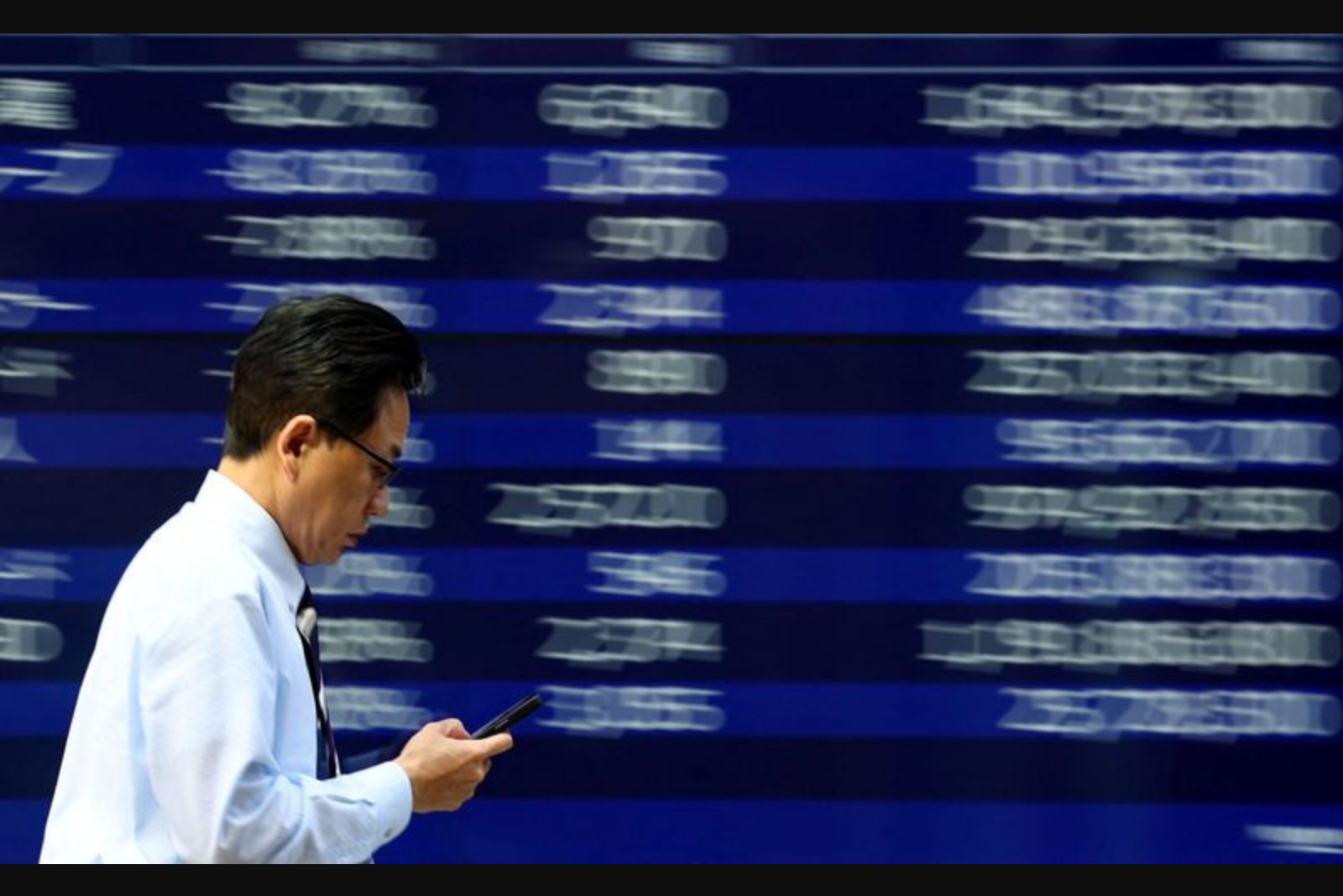
SINGAPORE, May 25 - Financial markets opened with a cautiously positive tone as U.S. equity futures ticked higher and energy and safe-haven currency pressures eased on the prospect of a negotiated settlement to the Iran war. The potential for an agreement lifted risk appetite, but uncertainty about precisely when the Strait of Hormuz would be available again constrained the advance.
After nearly three months of conflict in the Middle East, energy prices had surged and altered expectations for global interest rates amid inflation concerns because Tehran had effectively shut down the Strait of Hormuz, the key maritime corridor that before the conflict carried about one-fifth of the world’s oil and liquefied natural gas shipments.
U.S. President Donald Trump told reporters he had instructed his representatives not to hurry into any deal with Iran, a comment that appeared to dial back optimism for an immediate breakthrough. This followed an earlier comment by the president indicating that Washington and Tehran had "largely negotiated" a memorandum of understanding on a peace deal that would reopen the waterway.
Oil futures moved sharply lower at the start of the week, reflecting the market response to the improved outlook. Brent crude futures fell more than 4% to $98.83 a barrel, while U.S. West Texas Intermediate stood at $92.03 a barrel, also down over 4%.
Currency markets reflected reduced demand for safe-haven dollars. The euro strengthened 0.37% to $1.1646, while the Japanese yen firmed to 158.85 per U.S. dollar in early trading as the dollar surrendered some recent gains.
Equity futures were firmer: Nasdaq futures rose 0.89% and S&P 500 futures were up 0.6%. Japan’s Nikkei was also set for a strong start to the session.
Market voices and analysts
Nick Twidale, chief market analyst at ATFX Global, said market participants were likely to accept higher risk on the day but cautioned that a meaningful rally depended on confirmation that the Strait of Hormuz would indeed reopen. "We will need to see an agreement out in place in the coming sessions as we know there are still some major sticking points," he said.
Strategists at the Commonwealth Bank of Australia outlined what they see as the central unknowns for markets: when the Strait will reopen, under what conditions it will return to service, and how long it will take to repair production facilities and infrastructure and to ramp energy and other goods back to pre-war output levels. Those factors, they said, remain the most important issues for financial markets.
Implications and context for investors
The developing diplomatic signals have had an immediate effect in reducing a part of the risk premium embedded in energy prices and in the dollar. However, the timing and sequence of operational restoration in the Strait of Hormuz and associated production facilities retain the potential to influence inflation expectations and energy-dependent sectors until there is concrete confirmation of reopening and production recovery.
Note on investor resources: The article included reference to investor tools that combine data and analysis to help identify investment opportunities; readers should evaluate such services independently.