
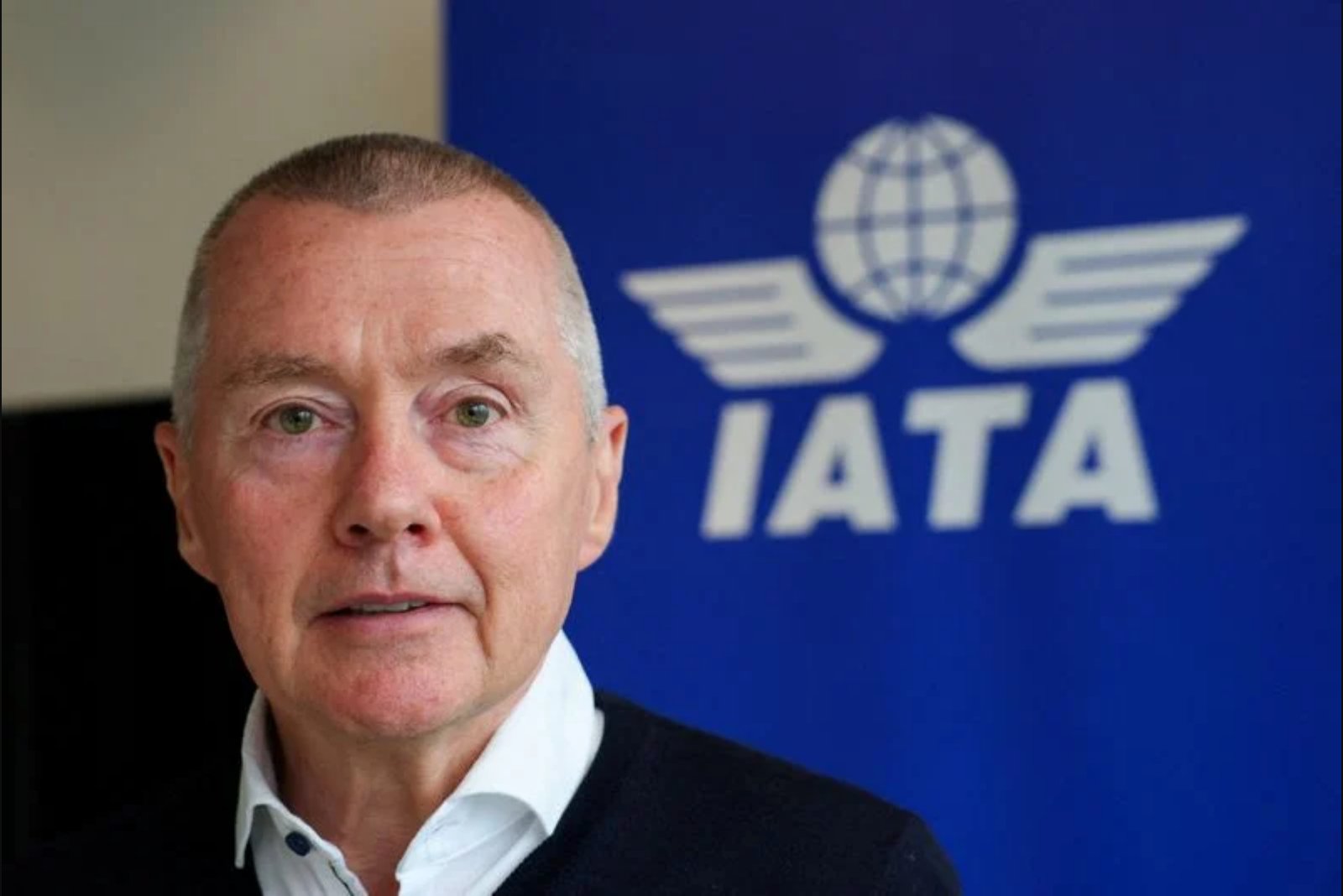
At the International Air Transport Association's annual meeting in Rio de Janeiro, the organization’s director general said that surging jet fuel prices caused by conflict in the Middle East are expected to drive further airline bankruptcies and provoke additional consolidation across the sector this year and next.
Higher fuel bills have been a direct consequence of disruptions to jet fuel supplies and the closure or avoidance of key air corridors tied to the U.S. and Israel’s war with Iran, which has forced carriers onto longer, more expensive routings. Those cost increases are hitting low-cost carriers particularly hard because they generally lack higher-margin revenue streams such as premium cabins, wealthy travelers and lucrative credit card loyalty programs.
Pointing to recent developments, the IATA director general noted the collapse of U.S. budget carrier Spirit Airlines last month as an early sign of the strain on lower-cost operators. "Unfortunately I think there will be some carriers that will find this high fuel price very difficult to cope with," he said, adding his expectation that some airlines will cease operations while others will be taken over by larger rivals.
Despite this, he rejected the notion that the low-cost model is broken worldwide. He highlighted strong performance from carriers such as Ryanair in Europe as evidence that the model can thrive outside the U.S., where the three largest carriers - United Airlines, Delta Air Lines and American Airlines - have been exerting pressure on budget competitors.
Discussing proposed consolidation moves, he dismissed the idea that United’s chief executive could successfully acquire arch-rival American Airlines to create a U.S. aviation giant, saying regulatory barriers would be formidable. "I don’t think that’s going to happen. I think the regulatory hurdles would be very significant. I don’t know whether that was a genuine effort to pursue consolidation or Scott just trying to stir up some media," he said.
Middle Eastern disruptions have also reshaped traffic through regional hubs such as Dubai, Doha and Abu Dhabi, creating acute operational challenges for Gulf carriers including Emirates, Qatar Airways and Etihad. Those carriers account for roughly 14% of global capacity, and the IATA director general said he did not expect the conflict to cause permanent damage to the Gulf’s role as an aviation hub given its geographic importance and the market position of its airlines.
"That capacity cannot be replaced by airlines from other regions around the world," he said, expressing confidence that once conditions normalize, Gulf carriers would reclaim their important market positions.
Compounding financial pressure on carriers is the slow pace of aircraft deliveries from Boeing and Airbus, together with engine delivery delays from GE Aerospace and Pratt & Whitney, the engine unit of RTX. Those hold-ups are limiting airlines’ ability to expand fleets and capture efficiency gains that could help offset fuel cost increases.
The IATA director general said the industry’s frustration with aircraft and engine makers is rising, especially as the manufacturers report strong profits while airlines face financial strain. He estimated that supply chain disruption cost airlines about $11 billion last year. "We’re disappointed that they’re not moving faster. We’re disappointed that they’re not sharing the pain that the airline industry is sharing," he said.
Aircraft and engine manufacturers have countered that many of the delays originate with post-pandemic supply chain challenges and political trade disputes, factors largely outside their control, according to the statements reported at the summit.
On environmental goals, IATA’s leader said that the industry is less confident about achieving a 2050 net zero emissions target than it had been, given slower-than-expected progress on sustainable aviation fuels. Nonetheless, he said IATA is not prepared to abandon the target.
"I certainly believe it’s more challenging to achieve net zero in 2050 because we’ve not made the progress that we had expected to see on the development of sustainable fuels," he said, signaling concern but not a retreat from the commitment.
In sum, the confluence of sharply higher jet fuel prices linked to Middle Eastern conflict, disruptions to routing and traffic flows, slow aircraft and engine deliveries, and the uneven revenue mix across carriers is reshaping competitive dynamics in global aviation. Executives at the summit warned that those forces are likely to produce further industry consolidation and financial stress among the most vulnerable carriers over the coming months.