
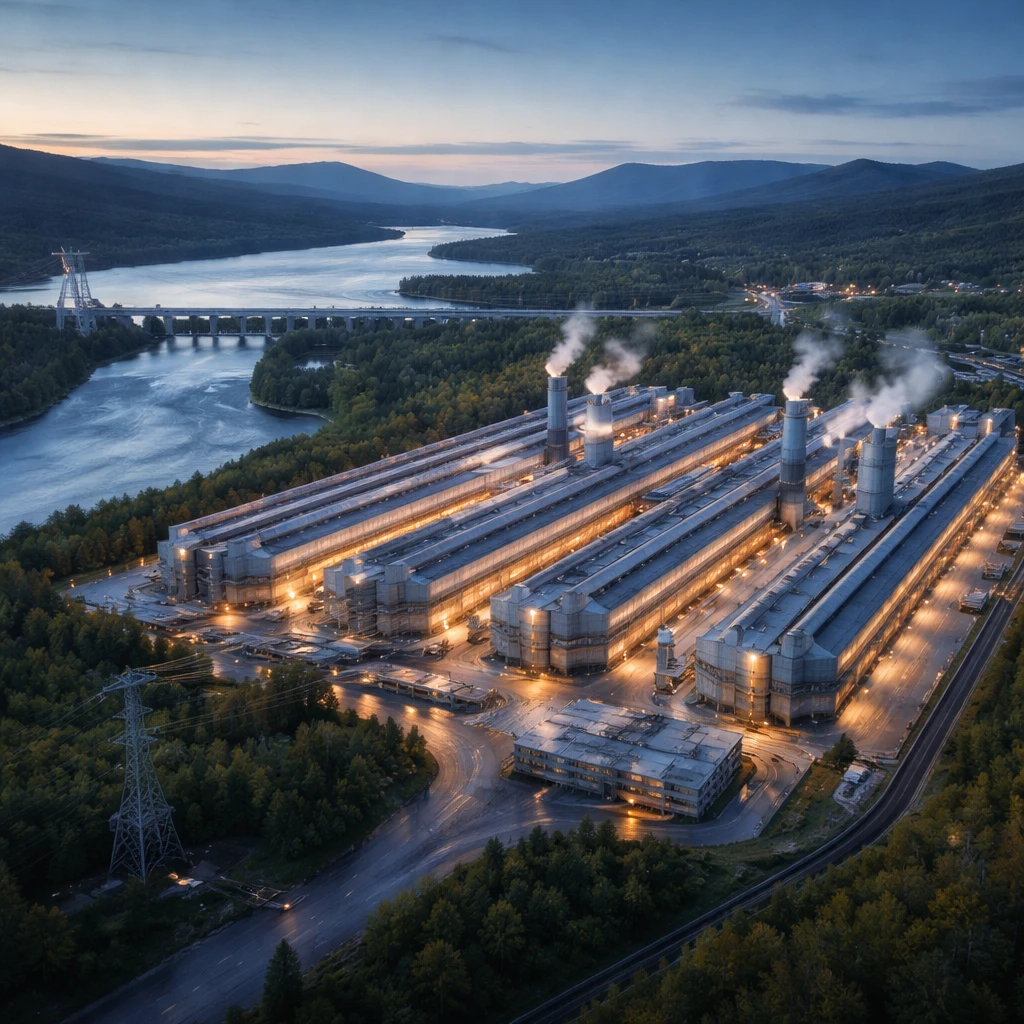
Rio Tinto has started the commissioning process for a major expansion of its aluminium smelting operations in Quebec, Canada, the company said. The C$1.5 billion project at Complexe Arvida is being brought online in phases and is due to complete start-up by the end of this year, the company said.
The expansion adds 96 new pots to the site and will lift the plant's annual primary aluminium capacity by roughly 160,000 metric tonnes. Once the new pots are operating, total production at Complexe Arvida is expected to reach 220,000 metric tonnes of aluminium produced using AP60 low-carbon smelting technology.
The AP60 rollout at Arvida is part of a broader move toward lower-emission aluminium production and is connected to the deployment of ELYSIS carbon-free electrolysis technology. ELYSIS is a partnership involving Alcoa, and the AP60 expansion is intended to support the transition to that carbon-free electrolysis approach.
On Friday, Melanie Joly, Canada's minister of industry and minister responsible for Canada Economic Development for Quebec Regions, announced a government contribution of C$100 million to the ELYSIS technology deployment project. The announcement included a government statement that highlighted action to protect Canadian workers, strengthen domestic supply chains and build a stronger, more resilient economy amid rising tariffs and trade uncertainties.
Rio Tinto said the combination of AP60 technology and the hydropower used across its Canadian operations would significantly lower the carbon footprint of aluminium produced at Arvida. The company stated that using AP60 with hydropower would produce one-sixth of the greenhouse gas emissions per tonne of aluminium compared to the industry average.
Context and implications
The commissioning marks a key step in bringing the physical assets and AP60 process online at Complexe Arvida. Completion of start-up by year-end would result in the 96 new pots operating across the site and the stated increase in low-carbon aluminium output. The project also intersects with public policy through the Canadian government's investment in ELYSIS deployment.