
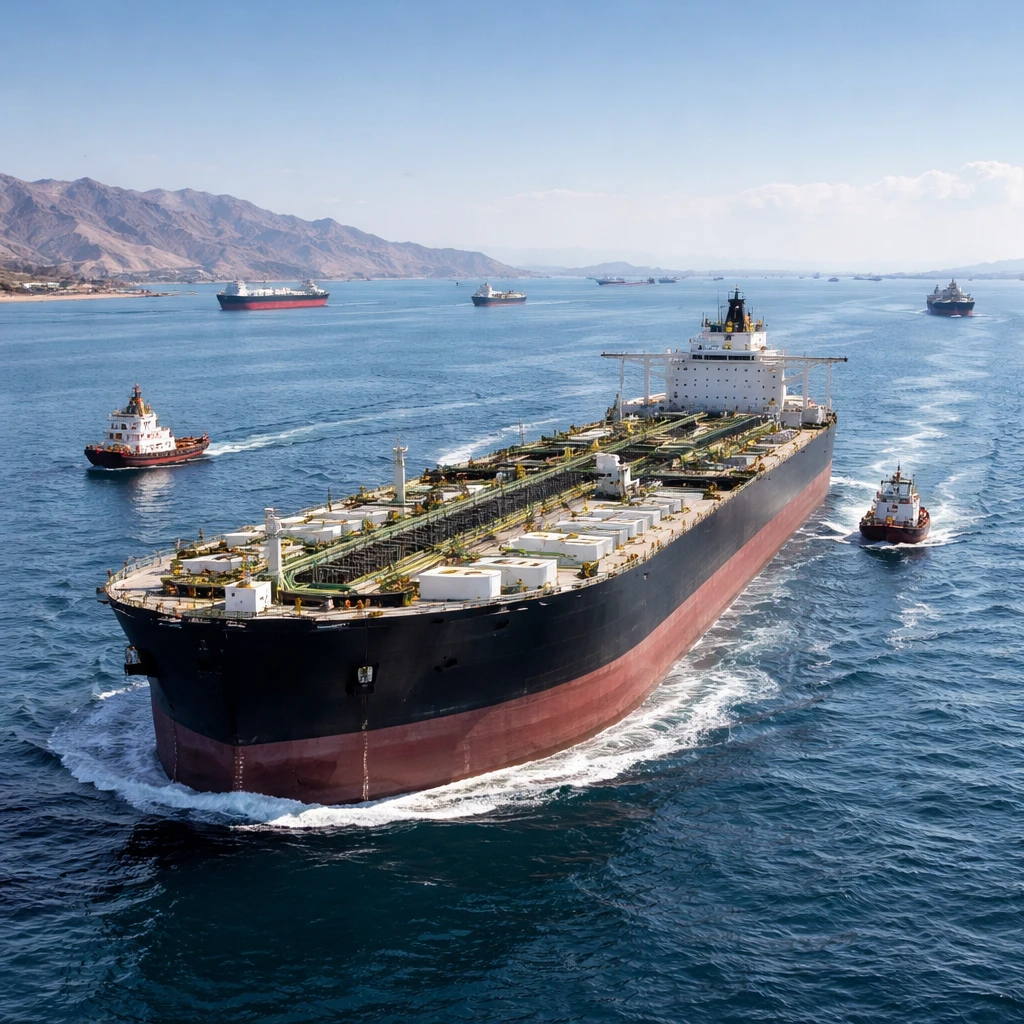
Reports suggesting a possible U.S.-Iran deal to reopen the Strait of Hormuz have prompted market participants and analysts to reassess the likely effects on energy markets, consumer prices and stock indices. While the consensus view is that reopening would matter materially, experts stress the distribution of effects across assets and regions would be uneven.
Capital Economics urged caution about expecting an immediate restoration of pre-conflict oil levels even after access to the strait resumes. The firm warned that oil might not rapidly return to earlier price points, and warned that inflation in certain advanced economies could still rise to between 3% and 4% despite any reopening.
At the same time, Capital Economics argued that some market participants may be overestimating the extent to which central banks would need to tighten policy in response to another energy shock. The firm highlighted a key difference in the current macroeconomic setting compared with 2022, suggesting that the policy reaction required now could differ.
At Barclays, analyst Emmanuel Cau told investors that a confirmed deal aimed at reopening the strait - if followed by a decline in both oil prices and interest rates - could broaden equity market outcomes. Cau noted that such a development might allow European stocks to break out of a recent three-month trading range, implying improved breadth across sectors.
Cau pointed to historical patterns in which energy disruptions have not produced permanent upward shifts in oil; instead, prices have tended to fall sharply once immediate tensions eased. His view underscores the possibility that any oil spike tied to conflict may not be durable.
Javier de Berenguer, an investment manager at MAPFRE, said investor attention is presently tilted more toward the risk of missing out on the artificial intelligence rally than toward oil-related threats. He cautioned, however, that if the conflict persists into or beyond July or August, the market focus would move from pricing oil-related risk to pricing scarcity risk - a shift that he warned could precipitate a recession.
Overall, analysts portray a scenario in which reopening the Strait of Hormuz would have significant market repercussions, but the path for oil, inflation and equities would depend on the speed and scale of subsequent price and rate movements.