
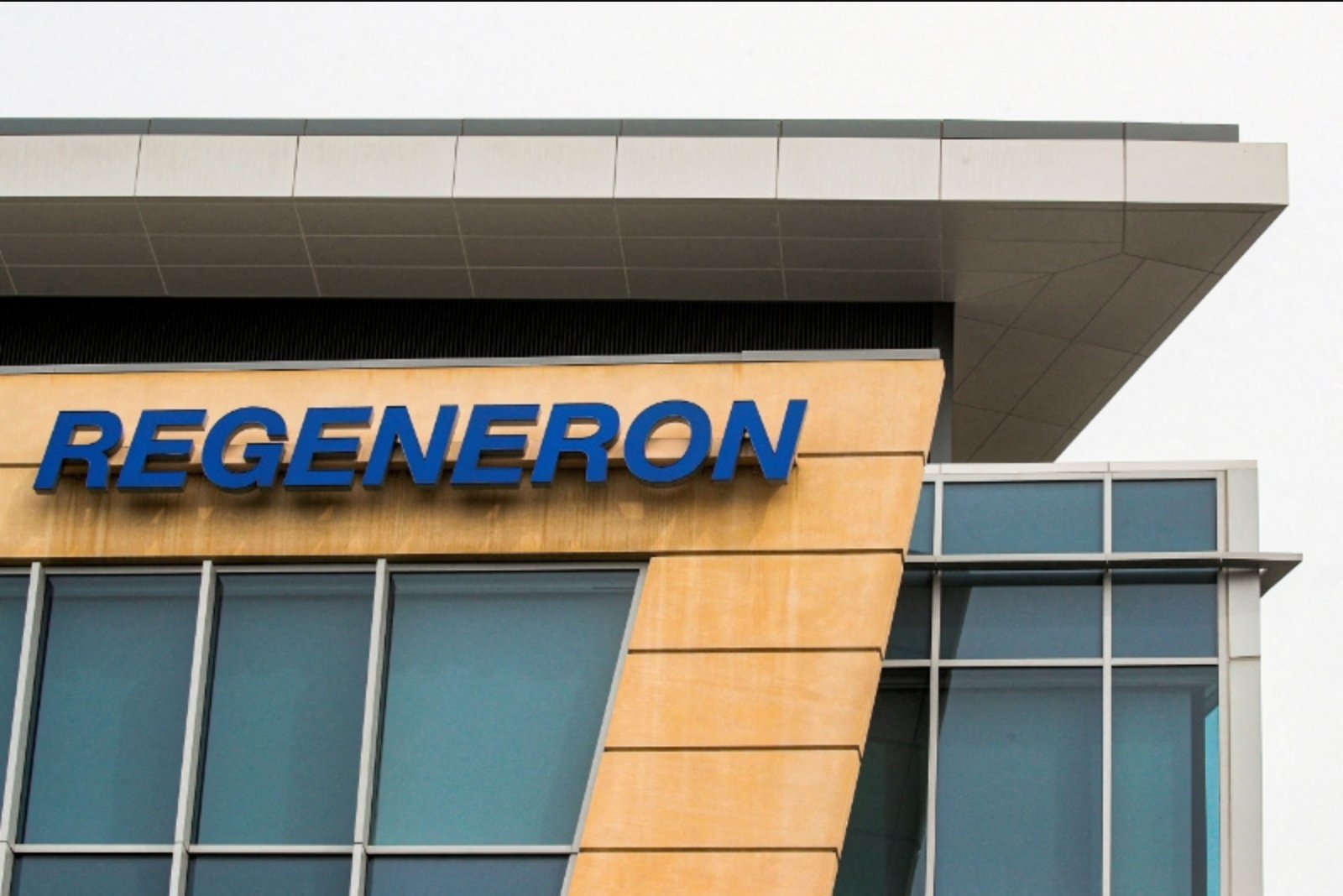
Regeneron Pharmaceuticals saw its stock drop precipitously on Monday after its experimental melanoma therapy did not meet the primary endpoint in a late-stage clinical trial. In morning trading, shares fell about 12%, sliding to $612.06 and putting the company on track to forfeit roughly $9 billion in market value.
The drug in question is a combination of fianlimab and cemiplimab, the latter sold as Libtayo. Regeneron said late on Friday that the regimen did not achieve statistical significance in improving progression-free survival for patients with advanced melanoma.
In the 1,546-patient study, those receiving a high-dose regimen of fianlimab together with cemiplimab experienced a median progression-free survival that was about five months longer than patients treated with Merck’s Keytruda. However, the observed difference did not reach statistical significance.
Analysts reacted quickly. BMO Capital Markets analyst Evan Seigerman said: "Back-to-back key pipeline misses amp up the pressure on the next 12 to 18 months of clinical development." At least 10 brokerages reduced their price targets on the stock following the announcement.
Evercore analyst Cory Kasimov described the outcome bluntly: "These results are the worst-case scenario," and added that market sentiment would likely deteriorate further even though he viewed the immediate business impact as relatively limited.
The trial result represents another setback for Regeneron, following regulatory delays in obtaining approval for a pre-filled syringe version of its eye drug Eylea and last year’s late-stage failure of its lung disease candidate, itepekimab. Those prior developments have already strained investor confidence in the company’s near-term clinical prospects.
Regeneron is also running a separate head-to-head study comparing the fianlimab combination to Bristol Myers Squibb’s Opdualag. According to the reporting, at least two brokerages said they have low confidence in a favorable outcome from that trial.
Outside the melanoma program, Regeneron announced a new collaboration with privately held Parabilis Medicines. Under the partnership, Parabilis could be eligible to receive up to $2.2 billion in milestone payments tied to the development of therapies targeting hard-to-reach disease areas.
Advanced melanoma is a serious and fast-spreading form of skin cancer that can metastasize to other organs, complicating treatment and patient outcomes.
Market and sector implications: The clinical miss has immediate equity-market consequences for Regeneron, prompted multiple price-target cuts and a sharp share-price reaction. The outcome also intensifies scrutiny across the biotech and pharmaceutical sectors where pipeline reliability and near-term catalysts heavily influence valuations.