
The Reserve Bank of Australia increased its official cash rate to 4.35% at the board meeting on May 5, constituting a third straight rise of 25 basis points aimed at addressing renewed inflationary pressures. According to minutes published after the meeting, the board approved the move by an 8-1 vote.
Members of the board noted that, at the time of the meeting, a cash rate of 4.10% was less restrictive than the same level would have been a year earlier, in part because of evolving inflation expectations. The minutes said members judged that financial conditions would probably be somewhat restrictive after the decision.
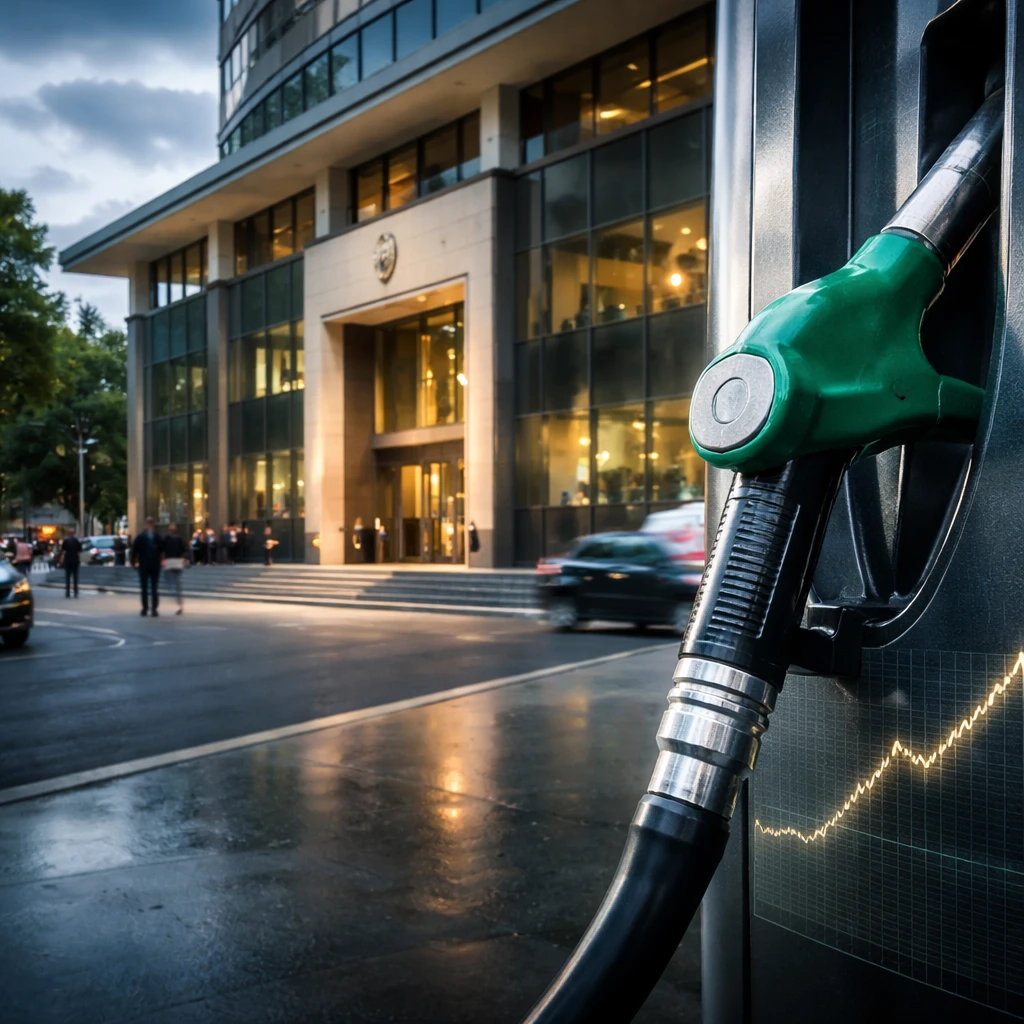
That assessment, the minutes said, gives the board scope to observe how the conflict in the Middle East unfolds and how Australian households and businesses react to developments. In that context, the notes flagged the inflationary risk stemming from higher fuel costs linked to military actions involving the U.S. and Israel and Iran.
The minutes specifically warned that fuel prices have risen sharply since attacks involving the U.S. and Israel on Iran in late February, and that this rise is contributing to inflation across goods and services. The RBA also recorded that spending outside of fuel has been robust over the past two months.
Market commentary included in the minutes referenced external analysis that interpreted the boards language as making a June rate increase less likely. "This supports the idea that a June hike seems less likely," ANZ analysts said, adding that they "continue to expect the RBA to leave the cash rate unchanged at 4.35% for a prolonged period."
The boards decision to raise the cash rate and its subsequent framing in the minutes indicate a strategy of deploying a further tightening step while preserving flexibility to pause and reassess. That flexibility is intended to allow the RBA to track how energy-driven cost pressures combine with domestic inflation dynamics that the minutes described as already rebounding in late 2025 prior to the recent jump in fuel prices.
Overall, the minutes convey a cautious stance: policymakers moved to further restrict policy but signaled that they will take time to gauge incoming data and geopolitical developments before committing to additional increases.
Summary
The RBA raised the cash rate to 4.35% in an 8-1 vote at its May 5 meeting, marking the third consecutive 25 basis-point increase. Minutes show the board expects financial conditions to be somewhat restrictive and intends to monitor the inflationary impact of higher fuel prices tied to conflict involving Iran before deciding on further action.