
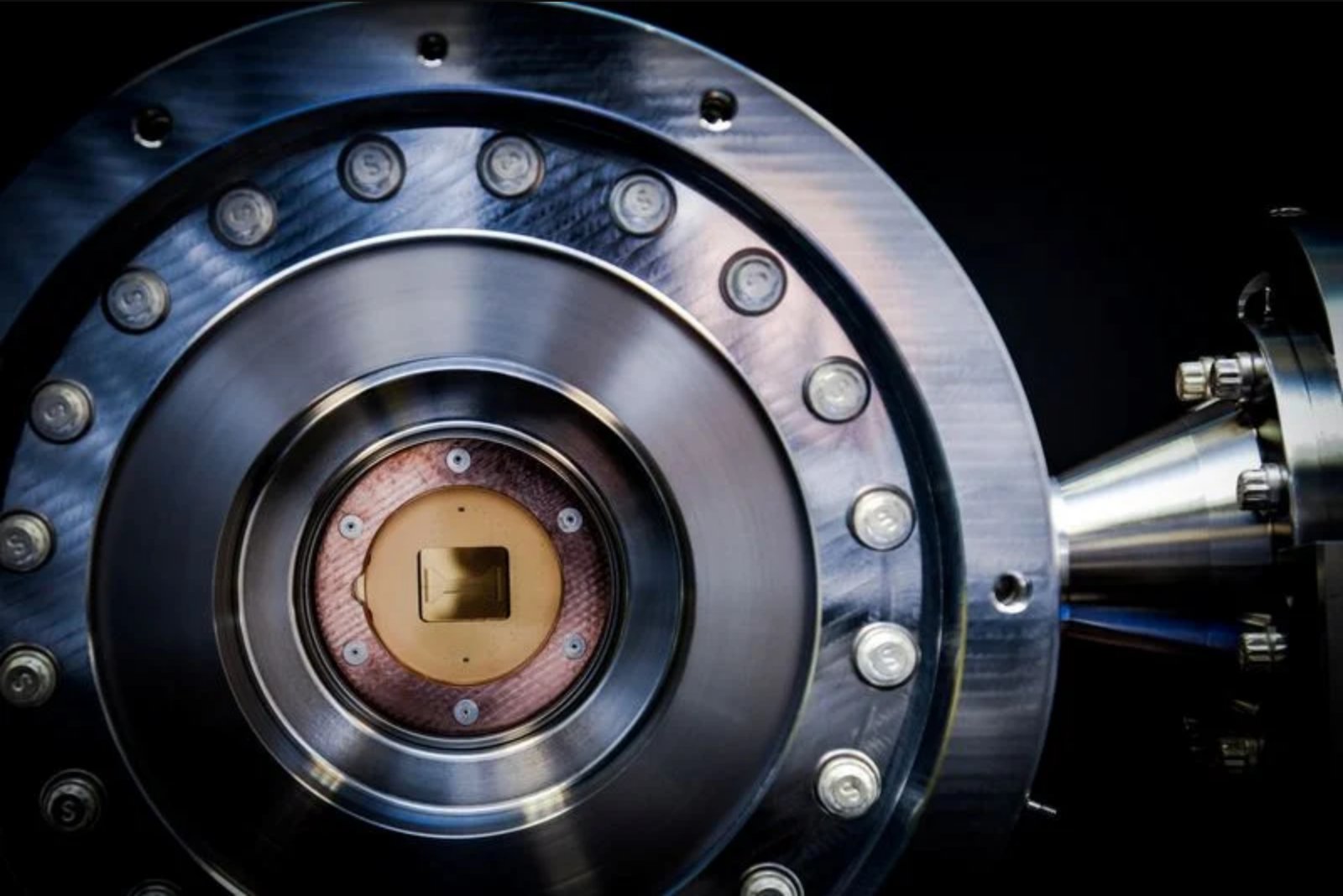
Quantinuum priced its U.S. initial public offering at $60 per share, raising approximately $1.68 billion through the sale of 28 million shares, according to people familiar with the matter. The Broomfield, Colorado-based quantum computing company is scheduled to begin trading on the Nasdaq on Thursday under the ticker symbol "QNT".
Earlier in the week, Quantinuum had expanded its proposed offering - raising the indicated price range to $53-$55 per share and increasing the number of shares on the table to 26.5 million - a move that typically signals strong investor demand ahead of pricing. J.P. Morgan and Morgan Stanley served as the lead underwriters for the deal. The company did not immediately respond to requests for comment.
The IPO represents a significant moment for the nascent quantum computing sector, which has seen heightened investor attention as researchers and companies pursue breakthroughs that could allow quantum machines to outperform classical computers on certain complex tasks. Quantinuum's market debut is noteworthy partly because there are relatively few public companies in the space, and analysts expect the offering to influence price discovery and coverage across the sector.
Honeywell, which has a market capitalization of roughly $150 billion, will retain substantial influence over the combined entity following the offering. Quantinuum disclosed in its IPO filing that Honeywell will hold about 48.1% of the company's combined voting power once the transaction is complete.
The company itself was formed in 2021 through the merger of Honeywell's quantum computing business and Cambridge Quantum. While the company remains in the early stages of commercial expansion, it has reported accelerating bookings in recent months as interest from customers and investors has increased.
Despite growing optimism among market participants, the quantum computing industry continues to face material challenges. Companies in the space confront high development costs and technological complexity, and the timeline for when quantum systems will see broad commercial adoption remains uncertain. These constraints temper expectations even as investor demand for public exposure to the field grows.
Market watchers and some brokerages have said that additional public listings from quantum firms will deepen investor access and attract more sell-side and institutional coverage to a market that has been thinly followed. That, in turn, could mean that Quantinuum's valuation and early trading performance may set the tone for peers in the days after the offering.
Separately, policymakers have signaled interest in supporting the industry: last month the U.S. administration announced it would take $2 billion in equity stakes across nine quantum-computing companies. Quantinuum develops quantum computers intended to address problems that classical machines would require thousands of years or longer to solve.
Key points
- Quantinuum raised $1.68 billion by pricing its IPO at $60 and selling 28 million shares; Nasdaq trading begins Thursday under QNT.
- Honeywell will hold about 48.1% of combined voting power after the offering; J.P. Morgan and Morgan Stanley led the underwriting.
- The listing highlights rising investor interest in quantum computing even as the sector remains capital-intensive and technically challenging.
Risks and uncertainties
- High development costs and technological complexity in quantum computing could limit near-term commercial returns - impacting technology and capital markets exposure to the sector.
- An uncertain timeline for widespread commercial adoption may weigh on valuations and investor appetite across quantum-related stocks.
- Investor interest remains concentrated in technology and high-growth sectors, which could make new listings more sensitive to shifts in risk sentiment.
Disclosure
None.