
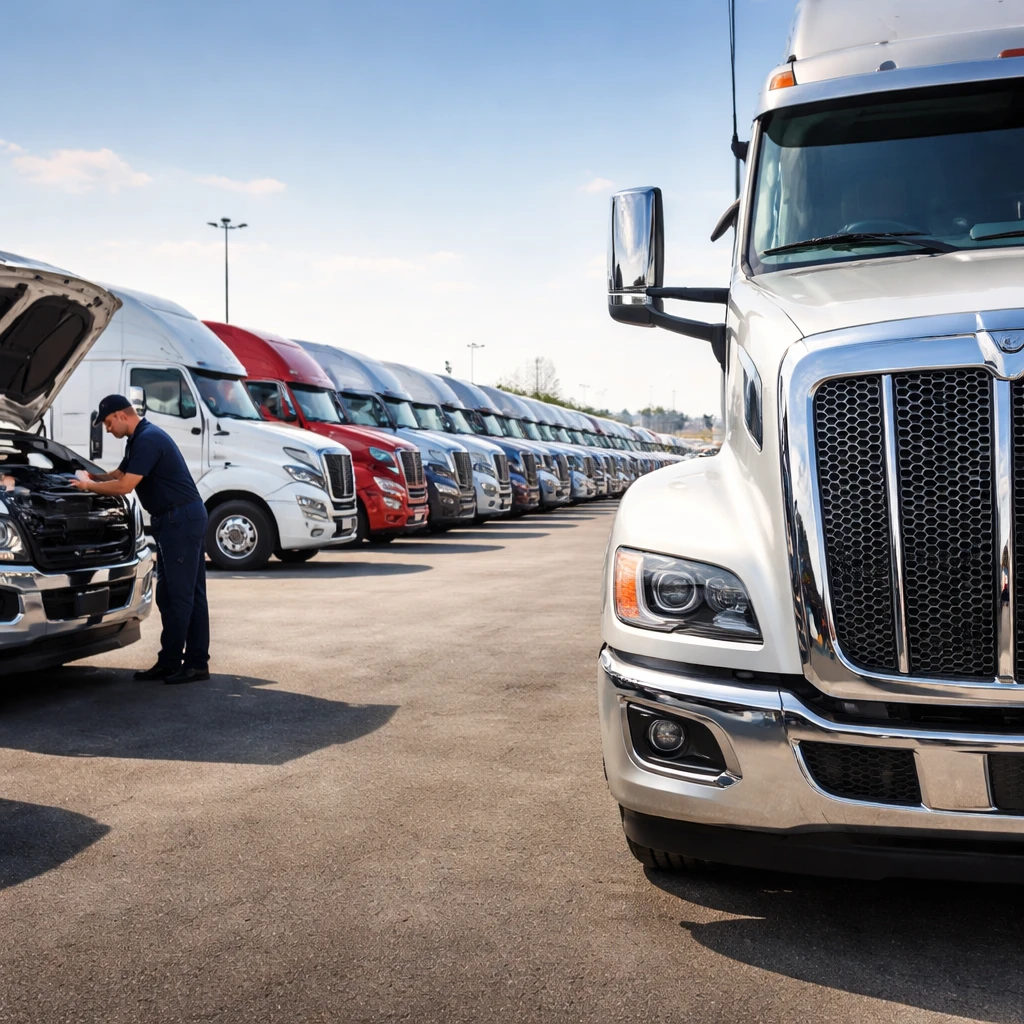
Paccar Inc. (NASDAQ: PCAR) shares gained roughly 3% on Tuesday following the public introduction of a proposal to repeal the federal excise tax applied to heavy-duty trucks. The automatic market response followed publication of the lawmakers' proposal and the cost implications they highlighted.
The measure, advanced by Republican Senator Todd Young and Democratic Senator Angela Alsobrooks, targets the 12% federal excise tax on heavy trucks. The senators said the levy effectively tacks an additional $15,000 to $30,000 onto the purchase price of a new heavy truck, trailer, semitrailer chassis or tractor. They contend that this added cost discourages buyers from replacing older equipment.
Lawmakers pointed to the age of a significant portion of the U.S. heavy-truck fleet, indicating that about one-fifth of the largest trucks currently in operation are powered by engines manufactured prior to 2010. The senators argued that eliminating the tax would lower the up-front cost of new heavy vehicles and could thereby spur fleet owners to acquire newer and cleaner models.
The proposal frames the excise tax as a deterrent to turnover in heavy-duty vehicles. Proponents say its removal could narrow the price gap between maintaining older units and investing in new equipment, potentially accelerating replacement of aging engines with more modern, lower-emission alternatives.
Market participants reacted to the proposal in real time, with Paccar shares moving higher on the day that the legislators made their plan public. The introduction of the proposal brought renewed attention to the role of transaction-level taxes in equipment acquisition decisions by fleets and owner-operators.
Details on the legislative path for the proposal, projected timing for any change to the tax code, and quantification of the potential sales uplift for heavy-truck manufacturers were not provided in the lawmakers' announcement.
Sectors affected: The proposal primarily touches the heavy vehicle manufacturing and commercial trucking sectors, with potential downstream effects for fleet operators and the market for cleaner truck technologies.